Without International Security There’s No National Security
For millennia, the world’s people have been kidding themselves about national security. Worried about the survival of their nation in a world of self-interested, sometimes aggressive nations, people have armed and prepared themselves for war. Only military strength, they have assumed, would fend off or defeat a military attack on their nation. And a case…
 Black News
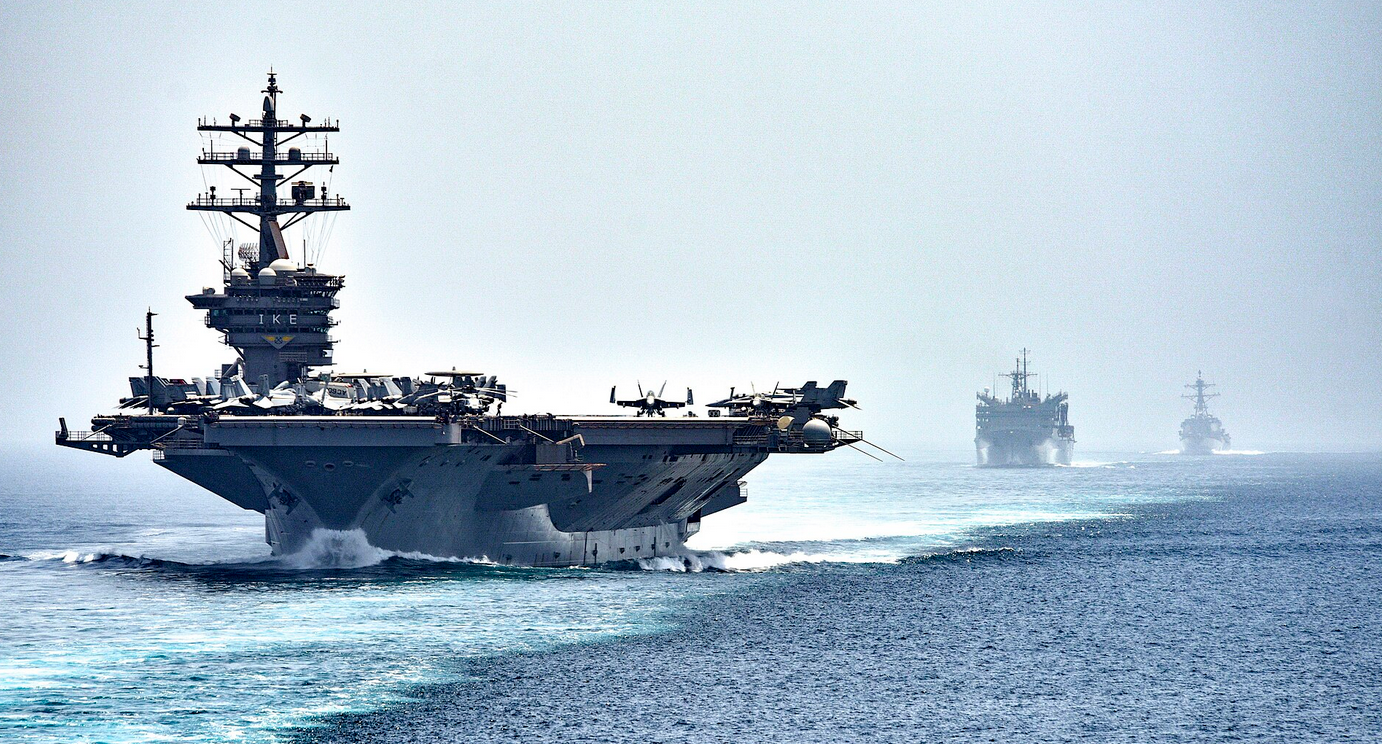
For millennia, the world’s people have been kidding themselves about national security.
Worried about the survival of their nation in a world of self-interested, sometimes aggressive nations, people have armed and prepared themselves for war. Only military strength, they have assumed, would fend off or defeat a military attack on their nation.
And a case can be made for this assumption, for not all nations―and not all people―are willing to deal peacefully or justly with their neighbors.
Even so, over the course of human history, this reliance upon national military might to defend national security has produced disaster after disaster. Although almost every country has armed itself for national defense, even those with immense military might have ended up fighting recurring wars to defend what they regard as their national security. Just look at the history of the “great powers” of recent centuries―the United States, Russia, China, Britain, France, Germany, and Japan―and consider how frequently they have waged war, sometimes emerging as the victors and other times as the vanquished.
Furthermore, preparing for and fighting wars, even victorious wars, have come at an immense human cost. Estimates for the death toll in the almost constant flow of wars over the span of human history range as high as 1 billion people. And to this we should add the vast numbers of people crippled, blinded, traumatized, and left homeless. Russia’s current military invasion of Ukraine, aside from slaughtering large numbers of Ukrainians, has already led to the deaths or injuries of 1,581,840 Russian soldiers.
Nuclear war, of course, promises to increase war’s human toll very substantially, with the living, as is sometimes said, envying the dead.
Nevertheless, the nations of the world continue, relentlessly, to arm and prepare themselves for war. Global military expenditures rose by nearly three percent in 2025, the 11th consecutive year of growth, reaching $2.9 trillion. America’s Donald Trump, a fervent supporter of U.S. military power, has proposed a 42 percent increase in the forthcoming U.S. military budget to $1.5 trillion―about 63 percent of federal discretionary spending.

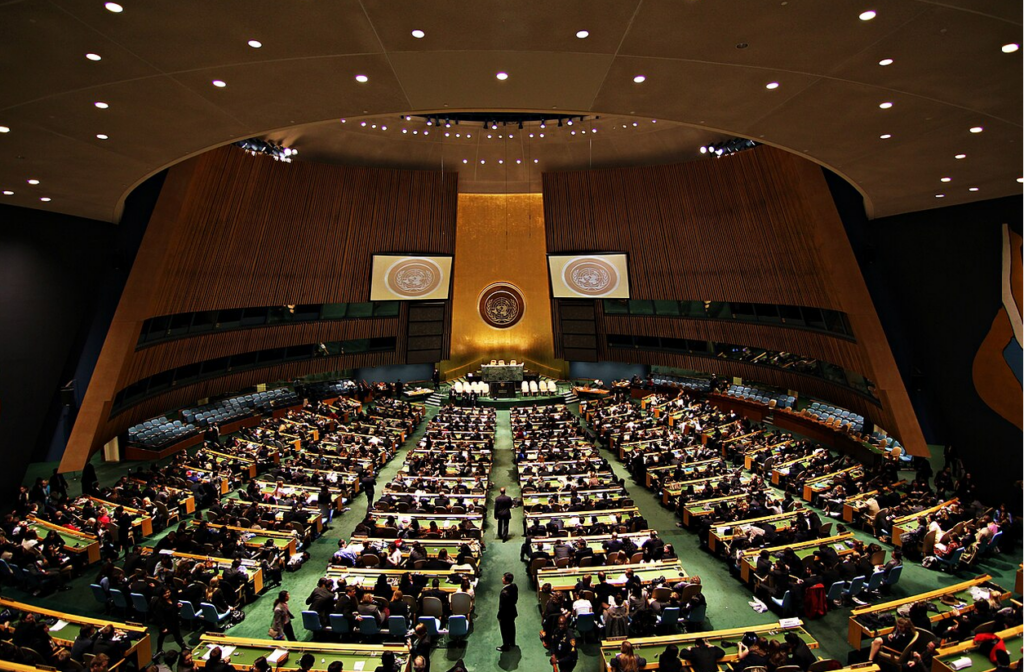
Of course, far-sighted individuals have criticized militarism and war, as well as suggested better ways for nations to relate to one another. Thanks particularly to the massive slaughter and destruction wrought by the two World Wars, they called for the development of international institutions that could safeguard national security through the development and enforcement of international law. This agitation led to the establishment of the League of Nations (and its legal arm, the Permanent Court of International Justice) and, near the end of World War II, to the establishment of the League’s successor, the United Nations (and its legal arm, the International Court of Justice).
These new institutions were met with considerable enthusiasm by a war-weary public, and even by many national officials, who recognized that, if every country continued blindly pursuing what it viewed as its own interests, global conflict and war were inevitable.
But this potential turning point in human history was bedeviled by two major problems.
For thousands of years, nations had defended their “interests” (and especially their national security) through military might. Consequently, many government officials and even many members of the public were not accustomed to thinking and behaving according to what best served the common good. Furthermore, the great powers were particularly reluctant to surrender the advantages, including empire, that military might traditionally afforded them in world affairs.
As a result, the leaders of the major powers, despite their rhetoric about the equality of nations and collective action to cope with international issues, remained committed to ensuring a privileged status for their own countries.
In the case of the League of Nations, this reluctance to accept limits meant that the great power victors in World War I came away from the peace settlement with new territory, including the spoils of empire (disguised as “mandates”), taken from the war’s great power losers. Moreover, in subsequent years, the Axis nations plunged into war to restore their empires or enhance them, while they and other major powers withdrew from the League when it condemned their belligerent behavior. The U.S. government never even joined the League.
When it came to the United Nations, the great power victors in World War II established a UN Security Council that provided each of them with a veto over collective action for international security. Thus, they could (and did) veto such action when they felt it adversely affected them or their friends. They also pursued what they regarded as their national security by subverting, invading, and even occupying other nations, while occasionally withholding their dues payments to the world organization.
Against this backdrop, it’s easy to conclude that international security has failed the test.
But, given the existence of key international institutions for only a tiny portion of human history, isn’t it premature to abandon efforts to create an effective international security system? After all, the United Nations is only 81 years old. By contrast, modern human beings have been around for about 300,000 years.
Also, what is the alternative? Surely it is endless war, capped off by the use of nuclear weapons to annihilate the human race.
So, in our current predicament, let’s give some thought to strengthening the world’s international institutions.
Numerous nations have called for reforming the United Nations. Modest measures, such as providing it with adequate funding and enhancing the role of the General Assembly, can be fairly easily implemented. More significant changes―for example, abolishing the Security Council veto―will take a more substantial effort, including the holding of a UN Charter review conference. Article 109 of the UN Charter provides the framework for such a conference, and an Article 109 Coalition has recently launched a campaign to prepare for it.
Over thousands of years, war and militarism have failed to safeguard national security. But international security might finally succeed at the task.
Dr. Lawrence Wittner, syndicated by PeaceVoice, is Professor of History emeritus at SUNY/Albany and the author of Confronting the Bomb (Stanford University Press).