Healthy Aging, Unapologetically: Dr. Contessa Metcalfe on Menopause, Self-Advocacy and Life at 50
Written by: Sade Miller “50 is everything.” That was one of the first things Dr. Contessa Metcalfe told me when we sat down for a conversation about menopause, longevity, confidence and what it really means for women to take care of themselves as we move through different seasons of life. For the quadruple board-certified physician,…
 Black News

Written by: Sade Miller
“50 is everything.”
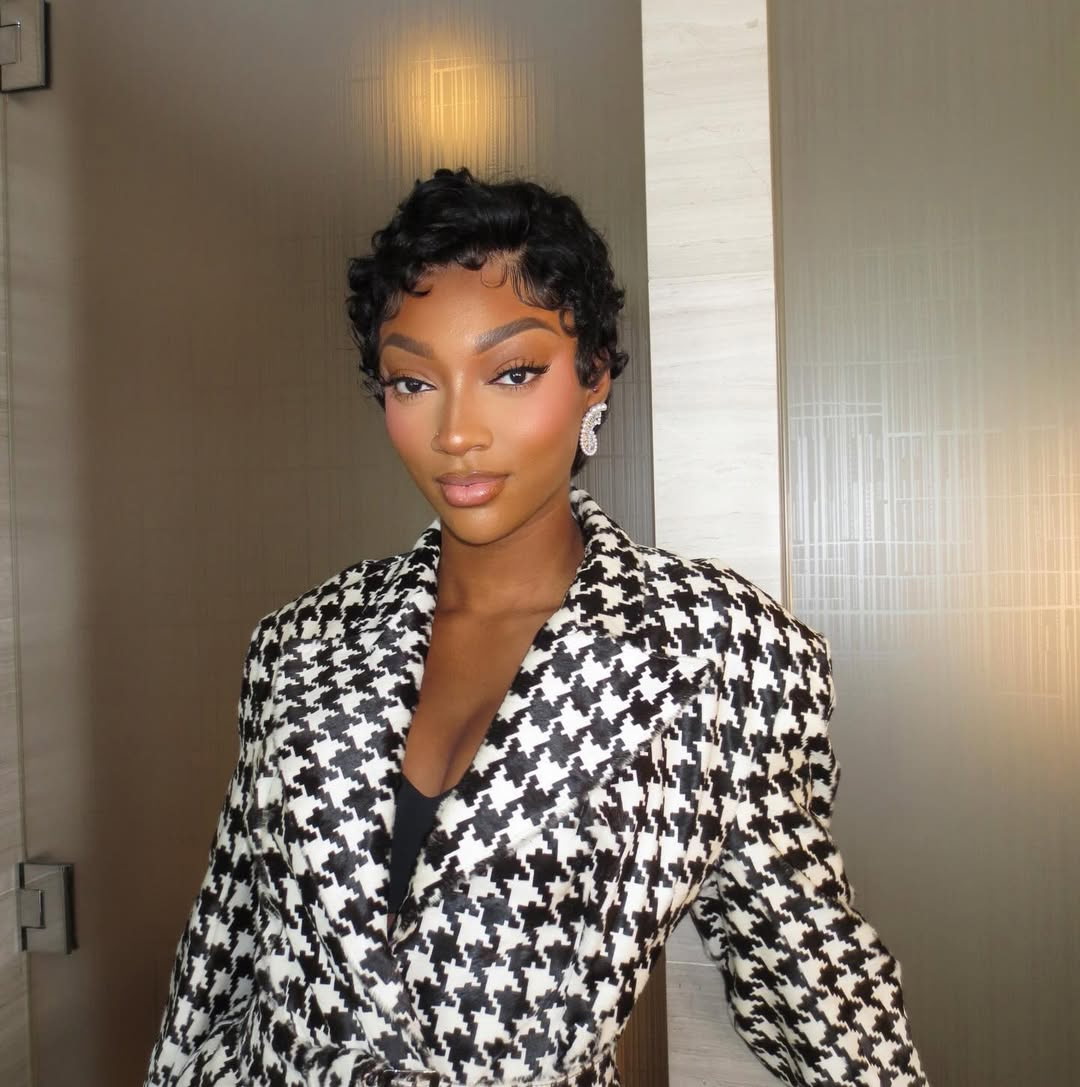
That was one of the first things Dr. Contessa Metcalfe told me when we sat down for a conversation about menopause, longevity, confidence and what it really means for women to take care of themselves as we move through different seasons of life. For the quadruple board-certified physician, entrepreneur and Married to Medicine personality, reaching 50 has looked much different than she once imagined.

When she was younger, 50 felt like an age when people might begin thinking about the last part of life. Now that she is actually here, Dr. Contessa sees it differently.
“I think at 50…you start thinking about the end of life,” as she spoke to her younger perspective. “And to me, it’s the beginning of the second phase of my life.” Her vision of longevity goes beyond simply adding years. She wants to remain present, active and independent enough to watch her children grow, experience future generations of her family, witness the world continue to change and continue using her time to make other people’s lives better.
In other words, the goal isn’t simply to live longer. It is to live well while you’re here. And that distinction became the running theme throughout our conversation.

Clarity Came With Aging
At 50, Dr. Contessa says she still feels like the same woman internally, even as her body has changed. What has shifted most is how she sees herself.
The fear and insecurity she once carried around career, finances and belonging have been replaced with confidence in her own value.
“I know my value,” she said.
That clarity has made it easier to walk away from spaces that no longer recognize what she brings. For women navigating midlife, it is a reminder that aging does not only change the body, but it can also deepen our relationship with ourselves. And with that clarity comes one of the messages she returned to throughout our conversation: prioritize yourself!
Women Have to Put Themselves Back on the List
Women often become caretakers of everyone around them, including their children, partners, careers, and families, all while quietly moving themselves to the bottom of the list. When I asked Dr. Contessa about a successful but exhausted 44 year old woman navigating changes in her body and identity, her advice was direct: “You’ve got to prioritize yourself,” she said. “You’ve got to be a little bit more selfish. You gotta take what you need.”

She noted that many women will immediately seek care for their children, yet delay doing the same for themselves. Her message was to give your own health that same urgency, because it is just as important.
Self-care is not just rest or pampering. It is paying attention, asking questions, making the appointment and following through.
Menopause Is Not an Invitation to Suffer
Menopause and perimenopause were central to our conversation, especially because many midlife symptoms, such as, hot flashes, sleep disruption, mood changes and body changes are often dismissed as something women simply have to endure.
When I asked Dr. Contessa about a 52-year-old woman telling herself, This is just part of getting older, her response was clear: “We don’t want you to feel like suffering is a part of aging,” she said.
She encouraged women to discuss symptoms with a medical provider rather than automatically normalizing them. She also emphasized that menopause care is individualized, and treatment should be based on each woman’s symptoms, history and risk factors.
She made clear that although support from other women is valuable, your friend’s experience should never replace personalized medical guidance.
The takeaway for women is simple, if something feels off, don’t dismiss it as just age. Track your symptoms, bring them to your doctor, ask questions, and advocate for a plan that fits your body.
Healthy Aging Starts Before 50
By the time many women start thinking seriously about healthy aging, their bodies have already been signaling for years. Dr. Contessa’s approach is preventative: pay attention early, ask questions, and don’t wait until you urgently need answers.
When I described a woman in her 30s with irregular cycles and possible PCOS symptoms, her message was very clear: annual visits, reproductive planning and understanding your body should start before a problem becomes urgent.
The same applies to healthy aging overall. Physicians can recommend screenings, medications and lifestyle changes, but patients still have to follow through.
The takeaway is that health requires participation. Turn “I want to get healthier” into an actionable item, such as an appointment, a follow-up, or a specific habit you can actually act on.
For Black Women, Advocacy Is Part of Wellness
When I asked Dr. Contessa what Black women aren’t discussing enough about our health, she answered quickly: “We’re not talking about Black women’s health, and we’re not talking about advocacy.”
For her, the two are connected. “We have to, in this phase of our lives, prioritize ourselves. And that is advocacy.”
That can mean asking another question, getting a second opinion, keeping your annual physical, following through on screenings, or simply refusing to normalize discomfort. Strength is not only pushing through. Sometimes, strength is allowing yourself to receive care.
Honest Conversations Can Change Generations
That same call for honesty is at the heart of Dr. Contessa’s new podcast, Kitchen Confessions, created with Black Girl Vitamins to open up conversations around Black women’s health, relationships, mental wellness and life experiences.
For Dr. Contessa, transparency can be its own form of protection. Instead of only warning younger women what not to do, she believes there is power in saying, This happened to me. This is what I missed. This is what I learned.
That lesson is deeply personal. She lost her mother to metastatic breast cancer at 53 and remembers her mother becoming more candid with her before she passed, by sharing wisdom she could carry forward.
Now, at 50, longevity feels less like a number and more like a gift. It is more time to speak honestly, love deeply, pass down what she’s learned, and be present for the women coming behind her. Because sometimes the most meaningful thing we leave to the next generation isn’t only advice. It’s the truth we were finally brave enough to tell them.
The Next Chapter Starts With Choosing Yourself
Our conversation moved through menopause, confidence, Black women’s health, motherhood, and legacy, but one message remained constant: We have to participate in our own well-being!
Healthy aging isn’t about holding onto youth. It’s about caring for the woman you’re becoming, knowing your value, paying attention to your body, asking questions, and giving yourself permission to seek and accept support. For Dr. Contessa, 50 isn’t the finish line. It’s another beginning.
Watch the full interview to hear Dr. Contessa breaks down what women should know about menopause, the health conversations Black women need to prioritize, how she defines aging well at 50, and why Kitchen Confessions is creating space for more honest conversations around women’s health and wellness.
Sade Miller | @heyyyysade