Creating Professional Branding on a Budget Without a Dedicated Team
Learn affordable marketing strategies for small businesses, from DIY branding and AI image tools to smart outsourcing and creating a professional image. Copy description
 moneywithjim
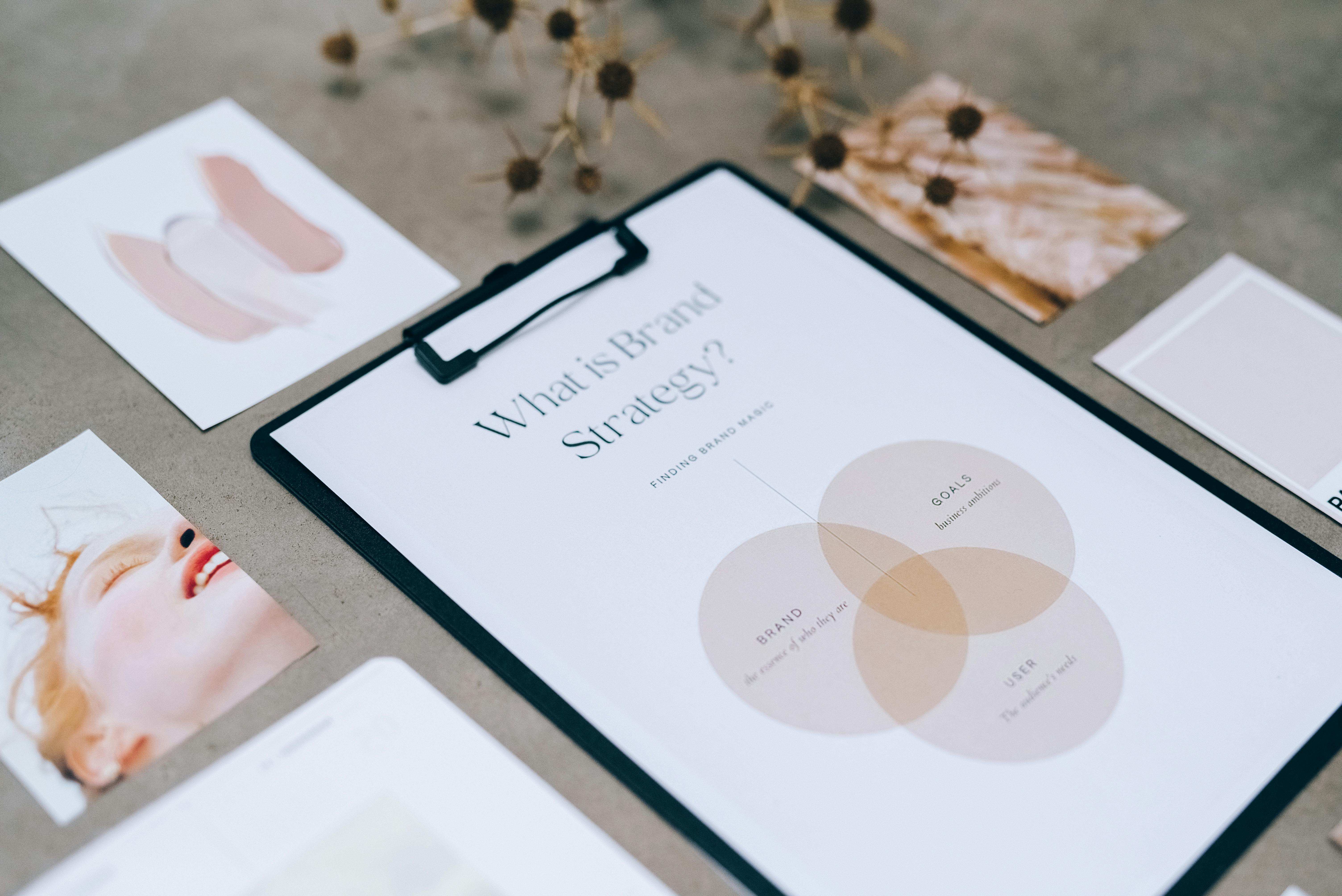
For local shop owners, solo service providers, and small online sellers, professional branding can feel like a club with a steep cover charge. The core tension is simple: customers expect clean, consistent marketing, but marketing budget constraints leave most small business owners cobbling things together between client work and errands. That pressure turns into DIY marketing struggles, logos that don’t quite match, posts that look different every week, and a nagging sense that the business looks less credible than it really is. With the right mindset and a few smart decisions, polished marketing can become a repeatable standard instead of a constant scramble.
Quick Summary: Polished Marketing on a Budget
- Focus on budget-friendly branding moves that quickly improve how professional your business looks.
- Use accessible marketing tools to create clean, consistent materials without hiring a large team.
- Protect a consistent brand identity by standardizing key visuals and messaging across channels.
- Decide between DIY vs outsourcing based on impact, skill level, and the time you can realistically commit.
- Apply small business marketing strategies that prioritize high-value improvements over expensive, unnecessary spend.
Upgrade Any Photo: Make Product Images Look Sharp Everywhere
Once you’ve got a basic plan, one of the fastest ways to look more “pro” is simply making your images cleaner and crisper wherever they show up. AI image optimization tools can help small businesses quickly and affordably enhance product photos, social media graphics, and other marketing visuals, so your brand presence stays polished and consistent without needing a dedicated design team. In practice, that means fewer moments where a great product shot looks fine on your phone but turns grainy on a website banner, a printed flyer, or a cropped social post.
An AI image upscaler focuses on boosting resolution and clarity: you can enlarge an image while preserving detail and visual quality, instead of ending up with a blurry, pixelated version. If you’re starting with everyday photos, using an AI image enlargement tool can be a simple upgrade that makes your visuals feel more intentional across channels. And once your images hold up everywhere, it’s much easier to keep your overall marketing consistent, something the modern toolset makes surprisingly achievable.
Understanding Democratized Marketing Tools
Today, great marketing is less about having a big agency and more about having the right tools. Democratized marketing tools are affordable, easy-to-use design software and content creation platforms that let small businesses produce professional marketing materials without specialist skills. When these tools are in reach, brand consistency stops being a “someday” goal and becomes a realistic weekly habit.
This matters because consistent visuals and messaging build trust fast. When your flyer, website, and social posts look like they belong together, customers assume you run a tight operation. The growth of the USD 32.3 billion in 2024 content creation space is a signal that more businesses are relying on these platforms every day.
Think of it like a template-driven “marketing kit” you can reuse. You set your colors, fonts, and photo style once, then produce a new promo in minutes. When production lead times shrink, showing up consistently becomes easier than reinventing every post.
Use This DIY-or-Outsource Decision Checklist for Each Marketing Task
Today’s democratized marketing tools make a lot of “good-looking” marketing totally doable in-house. The trick is deciding what you should DIY versus what’s smarter to outsource, so your time and money go where they actually move the needle.
- Sort every task into “strategy, skill, or volume”: Write the task on a sticky note (or a list) and label it as strategy (messaging/positioning), skill (specialized craft like animation, conversion copy, SEO), or volume (repetitive production like resizing graphics). DIY tends to work best for volume when templates and content libraries can carry the load. Outsourcing marketing tasks often pays off for skill gaps or strategy work you don’t have the internal marketing capabilities to do confidently yet.
- Do a quick “brand risk” check before you DIY: Ask: “If this looks slightly off, does it hurt trust or sales?” Your homepage, pricing page, and any paid ad creative are usually higher-risk than a casual social post. When the risk is high, prioritize strategic creative support, like a designer creating a mini brand kit or an editor tightening your core pitch, then use your tools to produce on-brand variations in-house.
- Calculate the true cost of DIY time (then set a trigger): Estimate how long it will take you or a team member to complete the task, then multiply by a realistic hourly value (even a conservative one). If it’s a recurring task that takes more than 2–3 hours each cycle, consider outsourcing or at least buying a one-time “system” (templates, guidelines, repeatable layouts) from a pro. This keeps DIY marketing balance sustainable instead of turning into an ongoing time leak.
- Outsource the “first one,” DIY the repeats: A budget-friendly pattern is hiring help to create the first version, your first email template, first ad set, first landing page layout, then you reuse and iterate internally. This works especially well now that your DIY tools can quickly clone, resize, and repurpose assets. You get professional-level foundations without paying professional rates forever.
- Use a monthly resource check-in to rebalance: Put one recurring meeting on the calendar to look at what you shipped, what stalled, and what cost more time than expected. A simple habit like review the resource allocation plan helps you catch when DIY is starting to crowd out sales, client work, or rest, and flags what to outsource next month.
- Write a one-page “outsourcing brief” to protect your budget: Before you hire anyone, define the goal (e.g., “increase inquiries from local service pages”), success criteria, examples you like, required formats, and your deadline. Add what you can provide (photos, offers, FAQs) so you’re paying for expertise, not for someone to extract basics from you. Clear briefs reduce revisions and make it easier to compare quotes apples-to-apples.
Build a Professional Brand Image Without Outspending Your Business
Small business owners often feel stuck between wanting a professional brand image and needing to keep cash flow safe. The way through is the mindset you’ve used here: combine accessible marketing solutions with strategic marketing decisions, and use the DIY-or-outsource lens to spend energy and money where they return the most. That mix is what turns budget-friendly branding into steady progress, and it builds real small business marketing confidence because results start to feel repeatable. Polished marketing comes from smart priorities, not big budgets.
Photo via Pexels