Experts hail EAC’s one- stop- border approach as coordinated efforts against Ebola outbreak
NAMANGA: THE East Africa one- stop- border approach has been earmarked as one of the coordinated moves towards combating and spread of the 17th Ebola outbreak that started in 15 May 2026 following a case study by VillageReach According to Dr Ahmed Ogwell Ouma, who is the President and CEO of VillageReach, a partner in … The post Experts hail EAC’s one- stop- border approach as coordinated efforts against Ebola outbreak appeared first on Daily News.
 Black News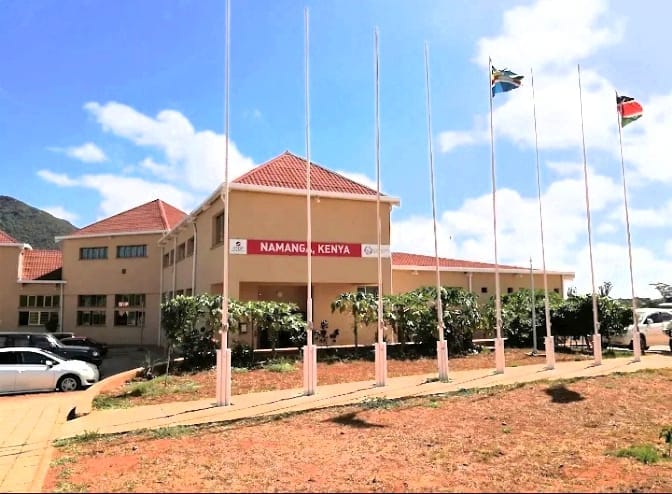
NAMANGA: THE East Africa one- stop- border approach has been earmarked as one of the coordinated moves towards combating and spread of the 17th Ebola outbreak that started in 15 May 2026 following a case study by VillageReach
According to Dr Ahmed Ogwell Ouma, who is the President and CEO of VillageReach, a partner in more than 15 African states on health issues, said through a report by Village Reach, the infrastructure that stops outbreaks is the same one that operates before an outbreak is detected.
During a virtual interview with media outlets, the Senior manager and partner Country Lead Village Reach in Tanzania, Ms Wema Kamuzora, stated that the achievements of Village reach in Africa and specifically in Tanzania is through flexibility and adaptability.
“I proudly say that our achievements are attributed to government engagements that makes us become flexible and align with policies which keep on changing now and then.” The Senior Manager said.
The East Africa surveillance system is capable of detecting outbreaks before they become emergencies.
Today, the event-based surveillance framework now operates in two-thirds of African Union member states. National public health institutes in West ,East and Central Africa have built integrated surveillance systems that did not exist a decade ago.
At Namanga border, the one stop border they use the 7-1-7 framework, now widely adopted in global preparedness, – seven days to detect a threat, one day to notify authorities and seven days to mount an effective response.
This difference is not technical capacity but proximity.
VillageReach, through Dr Ahmed, argues that Surveillance works when communities are part of the system, identifying and reporting threats early.
His report justifies that surveillance fails when the first signal reaches institutions only after an outbreak has gained momentum, turning what could have been contained locally into a crisis requiring national and international response.
The Bundibugyo strain in circulation is one of four Ebola virus species that infect humans, and it has no licensed rapid diagnostic, therapeutic or vaccine.
The system that catches and contains it is African-built and African-run.
Despite the major milestone Africa is making and the region funding seems to depreciate from 25.8bn US dollars in 2021 to 13bn US dollars in 2025, a move that stakeholders and experts say has more impact in investing on Preparedness than on outbreaks.
The post Experts hail EAC’s one- stop- border approach as coordinated efforts against Ebola outbreak appeared first on Daily News.