As energy needs of data centres draw scrutiny, their hardware deserves the same attention
It is unclear what will becomes of equipment like servers, processors, storage devices, networking equipment and cooling systems.
 Black News
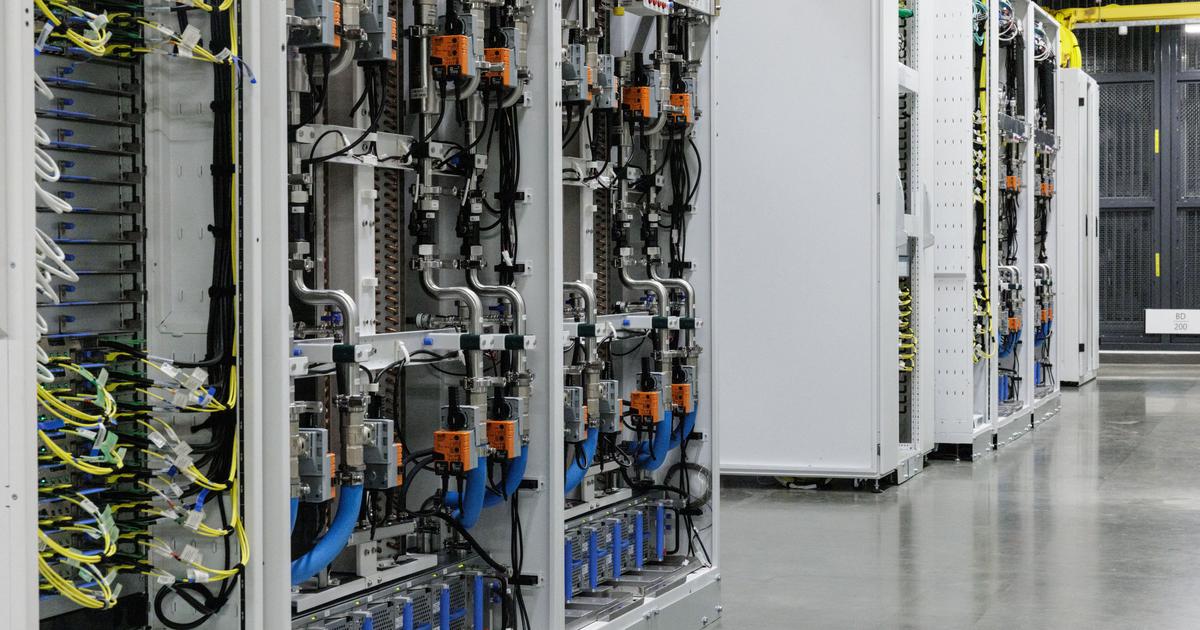

The Canadian government recently launched its Responsible Data Centre Development Principles, enabling the country to set the terms for responsible growth of artificial intelligence computing power and storage.
The principles set five expectations for new data centre projects: to create lasting local benefits, protect Canadians from extra electricity costs, minimise water use and environmental impacts, be transparent about local impacts and bring strategic value to Canada.
Meanwhile another part of the story remains out of view: data centres powering AI also need servers, processors, storage devices, networking equipment and cooling systems.
What will become of all this hardware? This question deserves the same scrutiny as the electricity and water consumed throughout the life of these centres.
Before a server is switched on
There is good reason for the focus on energy in the AI infrastructure debate. International Energy Agency projections show that electricity consumption by data centres will increase from about 415 terawatt-hours in 2024 to more than 945 TWh in 2030. This is a 15 per cent annual growth in demand. More powerful servers, driven by AI adoption, account for half of this increase.
Nevertheless, electricity consumption is only one part of...