Kenya’s second-largest supermarket opens $116 million share sale as World Bank arm lines up $15 million investment
The owners of Kenya’s second-largest supermarket chain have opened a share sale worth approximately $116 million, with the World Bank Group’s private-sector investment arm conditionally committing up to $15 million.
 Black News
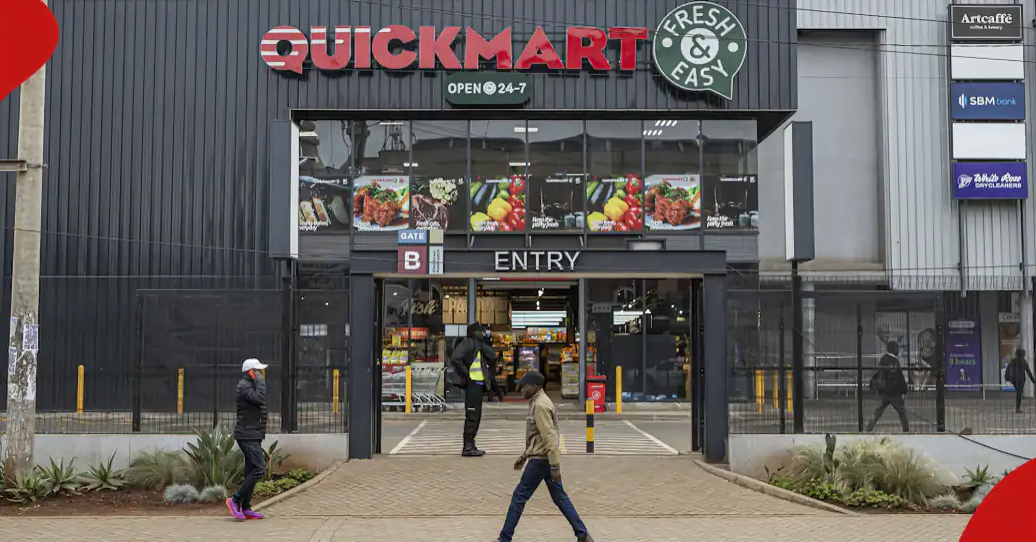

The owners of Kenya’s second-largest supermarket chain have opened a share sale worth approximately $116 million, with the World Bank Group’s private-sector investment arm conditionally committing up to $15 million.
- Quickmart has opened a share sale worth approximately $116 million following regulatory approvals.
- The offer values the Kenyan supermarket chain at about $231 million.
- IFC has conditionally committed up to $15 million, subject to its board’s approval.
- The proceeds will go to the existing shareholder, while Quickmart plans to finance expansion from its own cash flow.
Quickmart’s offer opened on 5 October, giving investors access to half of a business that has expanded into one of Kenya’s most recognisable grocery chains.
The transaction offers two billion existing shares, representing 50% of the company, and implies an equity valuation of approximately $231 million.
The money will go to selling shareholder Sokoni Retail Kenya Limited. Quickmart is issuing no new shares and will receive none of the sale proceeds.
According to the company’s offer notice, reproduced by Nairobi Leo, the transaction has received approvals from Kenya’s Capital Markets Authority and the Nairobi Securities Exchange. The subscription period closes on 30 October, with trading scheduled to begin on 12 November.
DON'T MISS THIS: Kenya’s second-largest supermarket puts up to 57.5% on sale after rivals collapsed and foreign chains exited
The opening advances the previous proposal, when the offer price and valuation had not been disclosed and regulatory approvals remained outstanding.
World Bank arm seeks a stake
The International Finance Corporation has conditionally committed to purchase up to $15 million of offer shares.
That would represent approximately 13% of the shares offered and 6.5% of Quickmart’s total share capital. Its participation remains subject to approval by IFC’s board.
The distinction matters: this is a proposed commercial investment, rather than completed funding or a World Bank guarantee of the offer.
The sale also requires investors to subscribe for at least 75% of the offered shares, equivalent to 1.5 billion shares, for it to proceed. Opening the offer therefore does not establish that the owners have already secured the full proceeds.
DON'T MISS THIS: Shoprite is closing its remaining 2 stores in Kenya by the end this year
A private-equity exit built around everyday shopping
Quickmart’s growth reflects the combination of two Kenyan supermarket businesses.
Adenia Partners’ investment records show that it acquired Tumaini in 2018 and invested in Quickmart in 2019. The businesses were subsequently combined under the Quickmart brand.
The strategy brought together smaller chains and developed a larger retail operation. Adenia’s 2022 reporting identified Quickmart as Kenya’s second-largest grocery supermarket, with 55 stores at the end of that year.
Quickmart now operates 72 stores. Its growth took place during a difficult period for Kenyan retail, as Nakumatt and Tuskys collapsed and foreign chains including Shoprite and Game withdrew.
The public offer gives the existing shareholder an opportunity to realise part of the investment while retaining a substantial stake. Selling existing shares also means the transaction does not dilute the company through the creation of additional stock.
Expansion still depends on the business
Quickmart reported approximately $388 million in revenue in 2025 and plans to continue opening stores using internally generated cash.
That makes operating performance central to the investment case. The share sale changes ownership, but it does not provide the retailer with the headline $116 million to spend on new outlets.
The board intends to target a dividend payout of at least 80% of annual profit after tax, subject to performance, capital requirements and its discretion. That remains a policy target rather than a guaranteed return.