The Names We Carry Across Water
How colonial naming practices, assimilation, and convenience killed many African names and why a new generation is reclaiming them facebook AFRICAN HISTORY GROUP GLASGLOW AFRICAN TALES “To change such a name is not simply to alter a label but to reconfigure one’s relation to lineage and place.” For Africans in the diaspora, names are often […]
 Black News

How colonial naming practices, assimilation, and convenience killed many African names and why a new generation is reclaiming them
“To change such a name is not simply to alter a label but to reconfigure one’s relation to lineage and place.”
For Africans in the diaspora, names are often the first site at which belonging is negotiated. A name that once moved effortlessly within a local linguistic ecology is recast in transnational space as excess: too long, too tonal, too marked by history, too resistant to easy pronunciation. What appears to host societies as a matter of convenience is in fact a struggle over recollection, legitimacy, and self-definition. The pressure to abbreviate, anglicise, or replace an African name, likewise, reveals how colonial habits persist in everyday interactions long after formal colonialism ends.
Southern Africa offers a particularly instructive context for this problem where colonial and missionary regimes didn’t simply impose foreign rule but reorganised systems of naming. Mission schools encouraged Christian baptismal names just as administrative systems required names that could be filed, standardised, and made legible to bureaucratic power. Such pressures intensified under apartheid, with passbooks, identity documents, and official records demanding forms of identification aligned with state surveillance rather than cultural continuity. The result? Not merely a linguistic shift but an epistemic one, the social meaning of a name displaced by its administrative utility.
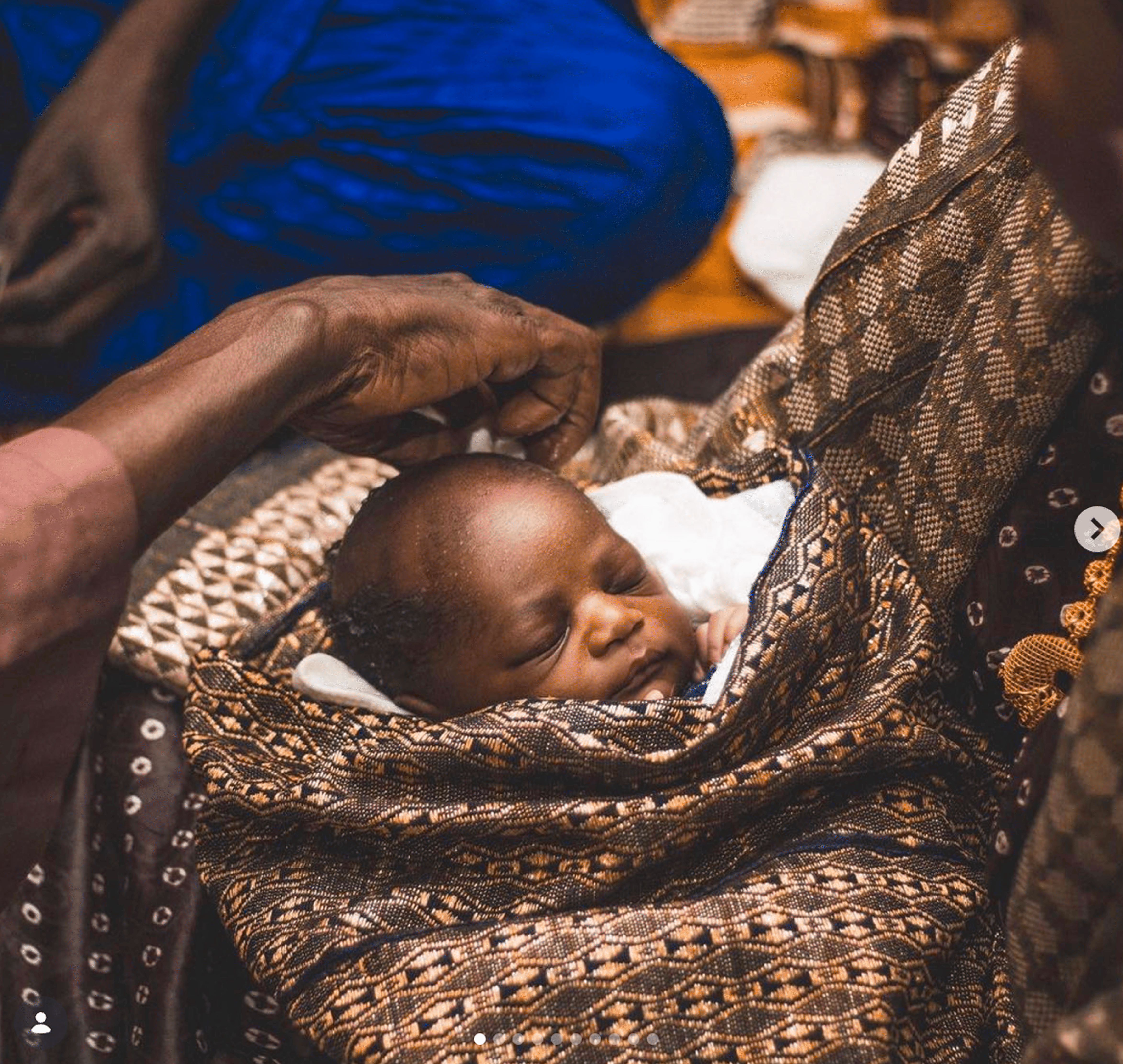
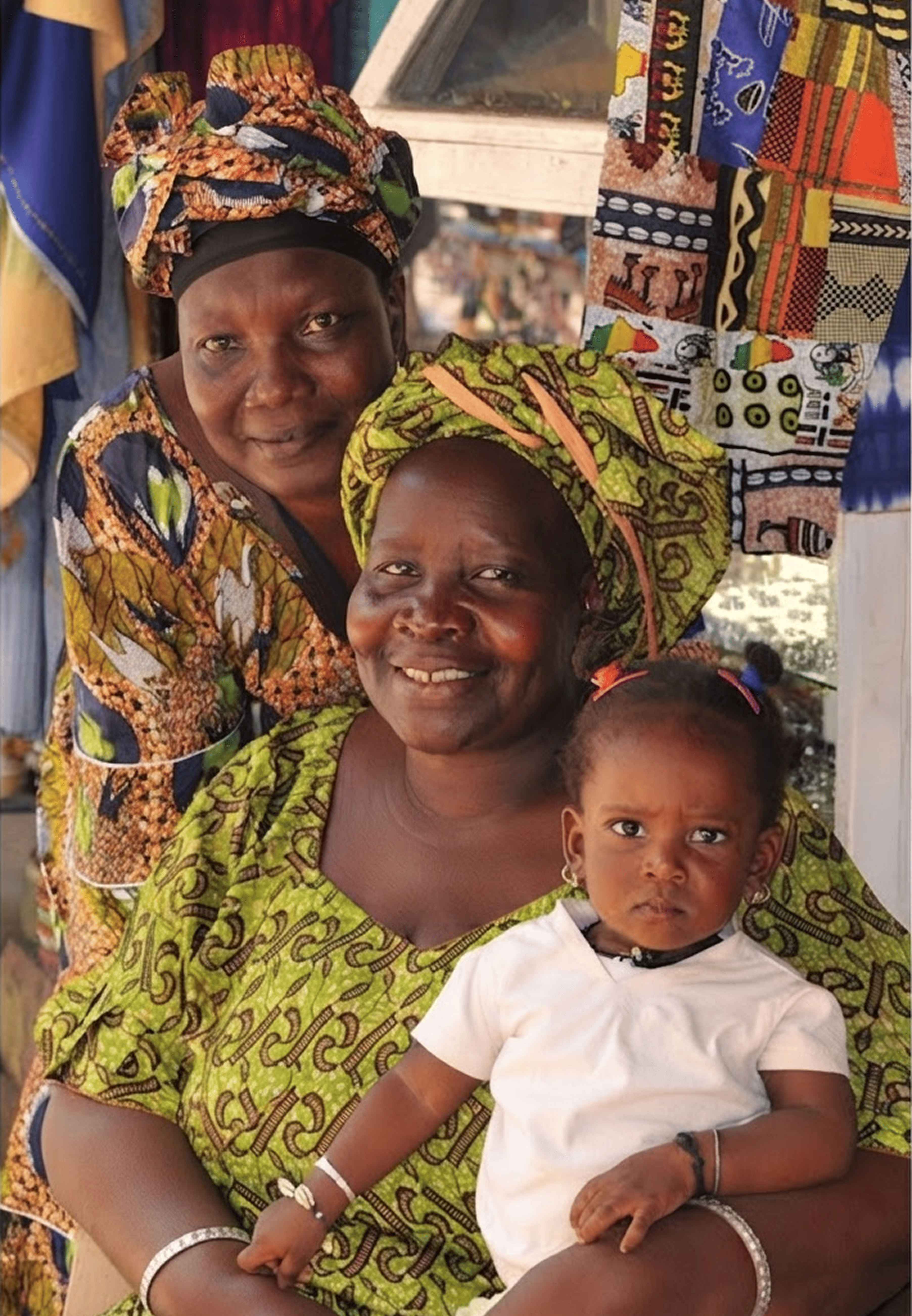
Names are rarely arbitrary within African naming systems, however, often encoding clan affiliation, historical circumstance, ancestral continuity, ethical aspiration, or commemorative remembrance. In many Southern African communities, a name may register a family’s mood at the moment of birth, a political condition, a blessing, or even a proverb condensed into a single lexical form. To change such a name is not simply to alter a label but to reconfigure one’s relation to lineage and place; this is why naming in the diaspora cannot be understood only via assimilation theory and must also be read through cultural relevance.

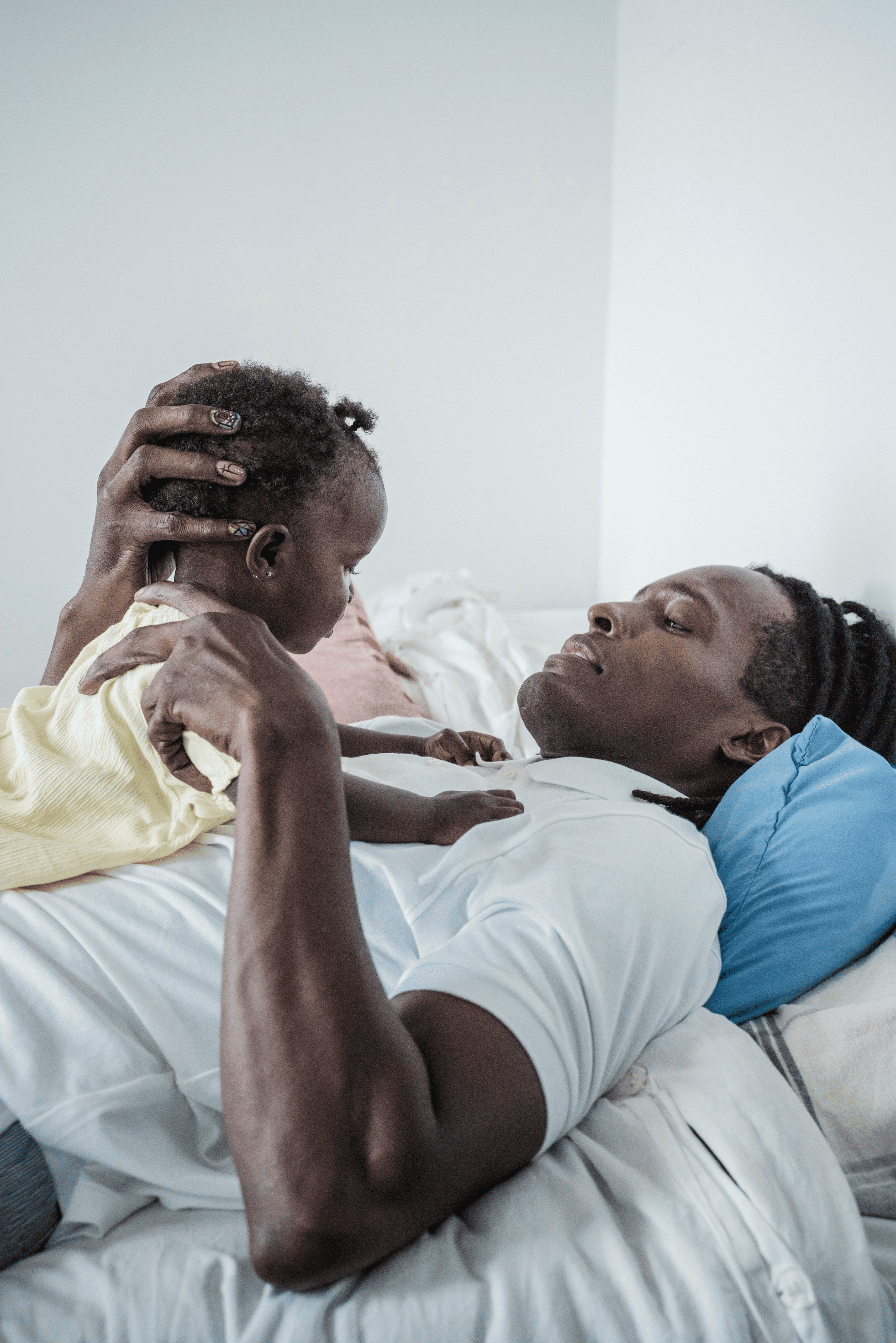
Placing subjects in environments where identity is repeatedly translated, the contemporary African diaspora intensifies these same dynamics. With immigration documents, school registers, workplace databases, and digital platforms all creating pressures toward standardisation, individuals may develop a double naming practice: one name for official circulation and another for intimate or familial use. This split can become normalised over time despite being psychologically costly. The diaspora subject thus learns to inhabit a divided onomastic life, the name spoken at home and the one used in public not entirely coinciding.

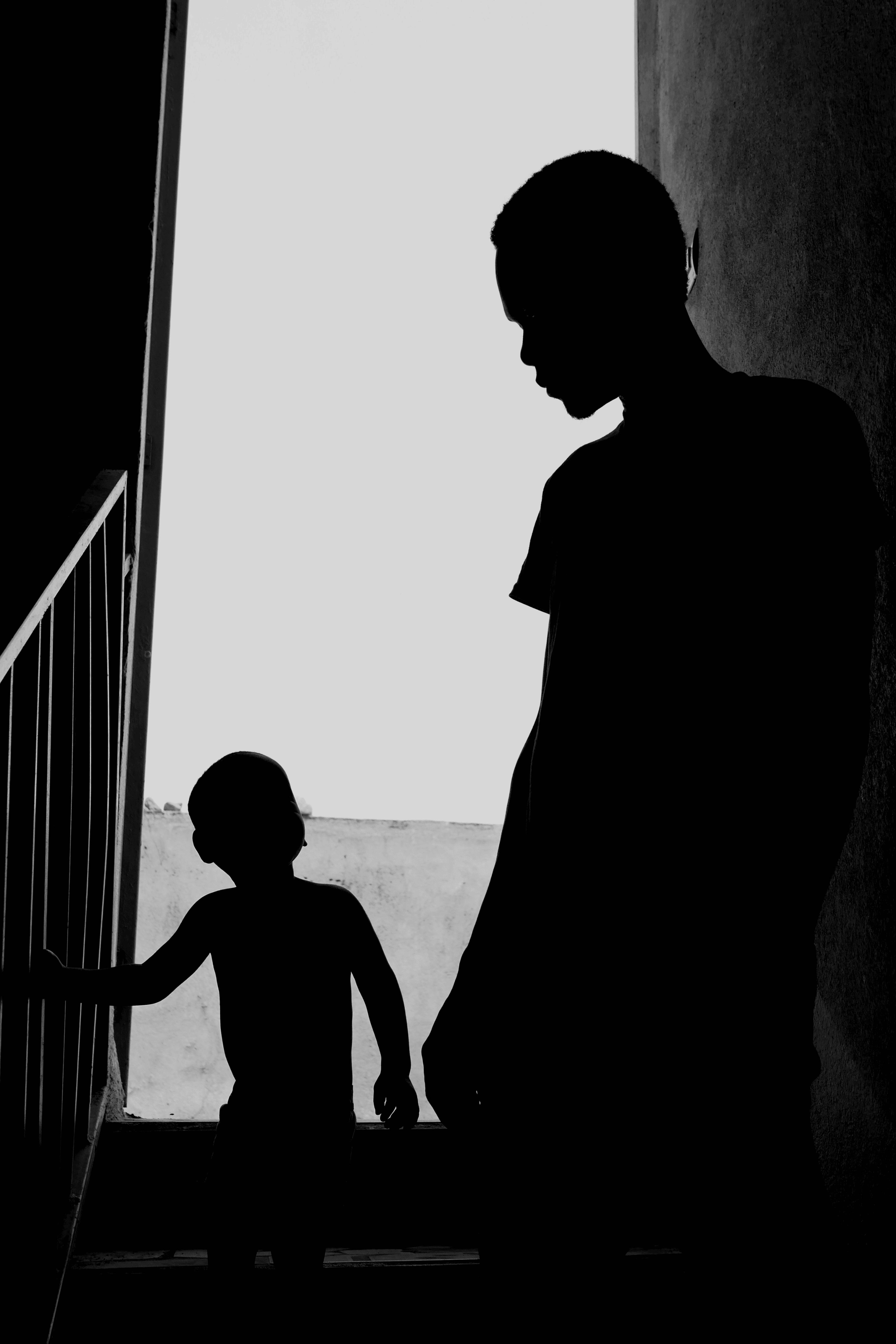
We shouldn’t interpret this division only as loss, though. Recent scholarship on diaspora naming practices shows many African migrants actively use naming as a continuity strategy, giving children indigenous names, preserving clan names, or combining African and English names in ways signalling both attachment to home and a means to navigate the host society. In this sense, naming becomes a mode of diasporic agency allowing subjects to stay connected to an inherited moral world while also making room for cross-cultural mobility. The practice, overall, is best understood not as resistance in a purely oppositional sense but as negotiation: a calibrated attempt to remain legible in multiple worlds without surrendering the one making the self intelligible in the first place.
Image citations:
instagram Vintageafricanwomen | facebook AFRICAN HISTORY GROUP | GLASGLOW AFRICAN TALES | instagram westafricancommunity | tiktok SASHA ZOMOT | pexels DΛVΞ GΛRCIΛ | pexels Sasha Kim | pexels Fennah Chereka | pexels Alfred Dena