
The Rest We Steal
An intimate meditation on what “rest” really looks like (or doesn’t) in African homes between shift work, side hustles, family duties, and the guilt of slowing down pexels LekePOV pexels Ekua Apau “Rest, in this telling, isn’t a luxury. It should be a practice and the space where people remember they’re more than what they […]
 Black News
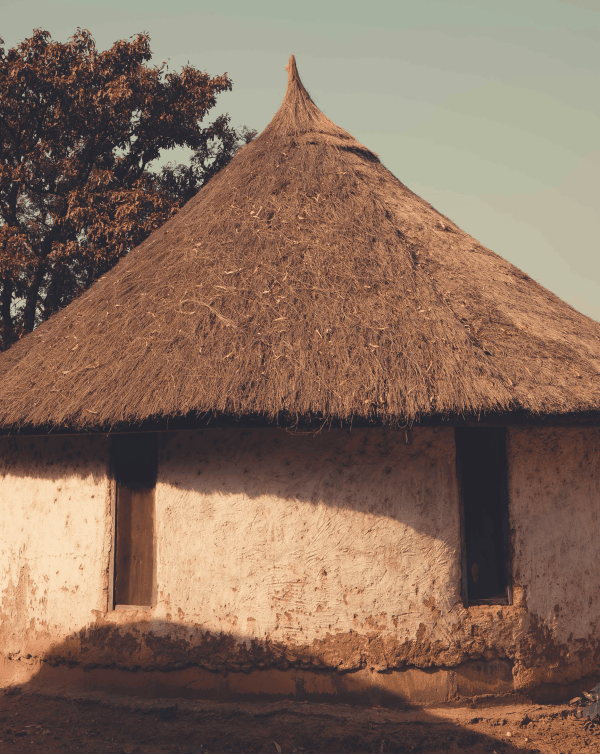
An intimate meditation on what “rest” really looks like (or doesn’t) in African homes between shift work, side hustles, family duties, and the guilt of slowing down
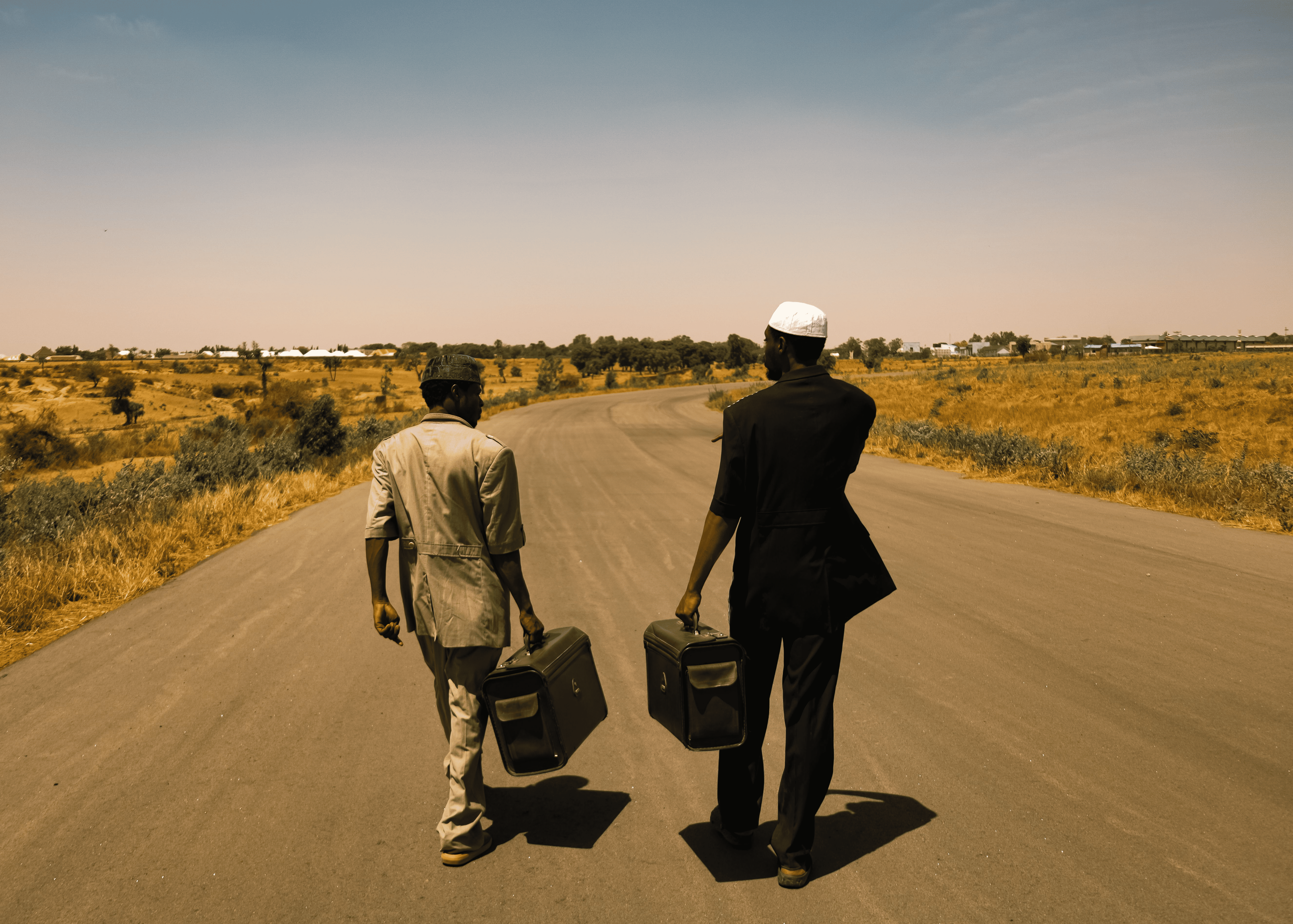

“Rest, in this telling, isn’t a luxury. It should be a practice and the space where people remember they’re more than what they produce.”
In a flat above a spaza in Mbabane, the lights go out at 10:13 pm. A paraffin stove clicks. A child sleeps on a mattress on the floor, one leg draped over a schoolbag. As in so many others, rest isn’t a right in this house but something stolen in the margins between obligations that don’t end when the body is tired.
Across much of the continent, equating rest with laziness is older than any single family: having arrived with histories teaching people they must be useful to live. Colonial economies didn’t need Africans to rest; they needed them to labour, carry, mine, harvest, and clean, for others more than themselves. This logic didn’t disappear when flags changed. It settled into kitchens and how questions are asked: What have you done today? What are you becoming? Why are you always on the phone? The latter is often the only place where rest hides, a small rebellion of doom-scrolling while the dishes nearby are still wet.

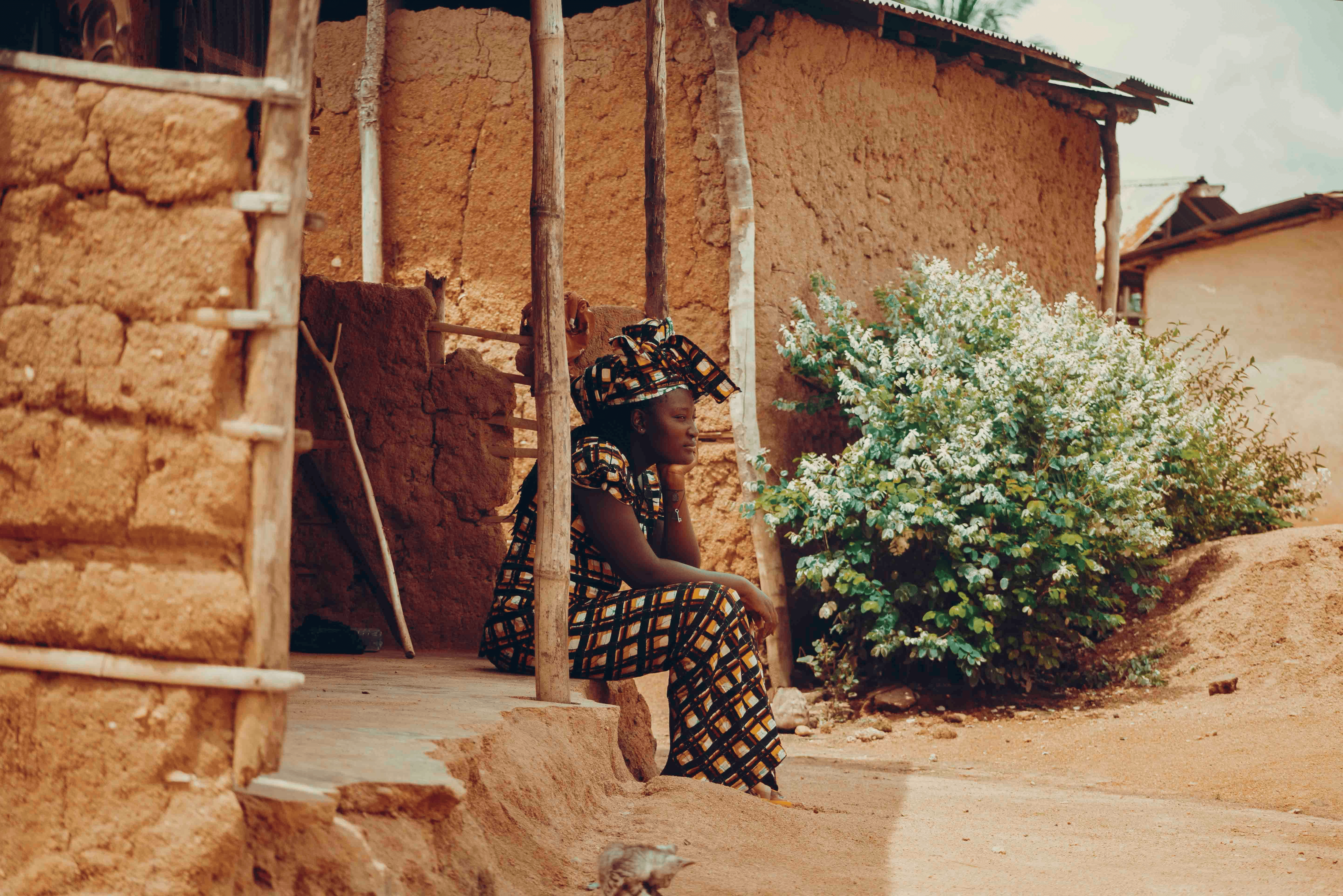
The result? A kind of exhaustion that doesn’t show up in medical tests but in how a laugh ends too quickly, in how people say “I’m fine” when they’re really not, and in how Sundays feel like another shift with different clothes. In some homes, such exhaustion is worn as a badge: I’m the one who does everything. It’s a secret shame in others, a fear that if you stop, you’ll be exposed as not enough. Or maybe things just won’t get done.
Yet rest is also where resistance begins. Ngũgĩ asked us to consider what language remembers. The languages of this continent remember other patterns: the afternoon pause when the sun is too sharp, the storytelling that happens after the work is done, and the long meals not about productivity but rather belonging. In some places, these flows of life survive in fragments. In others? They’re being rebuilt by people who refuse to treat their own bodies as machines.
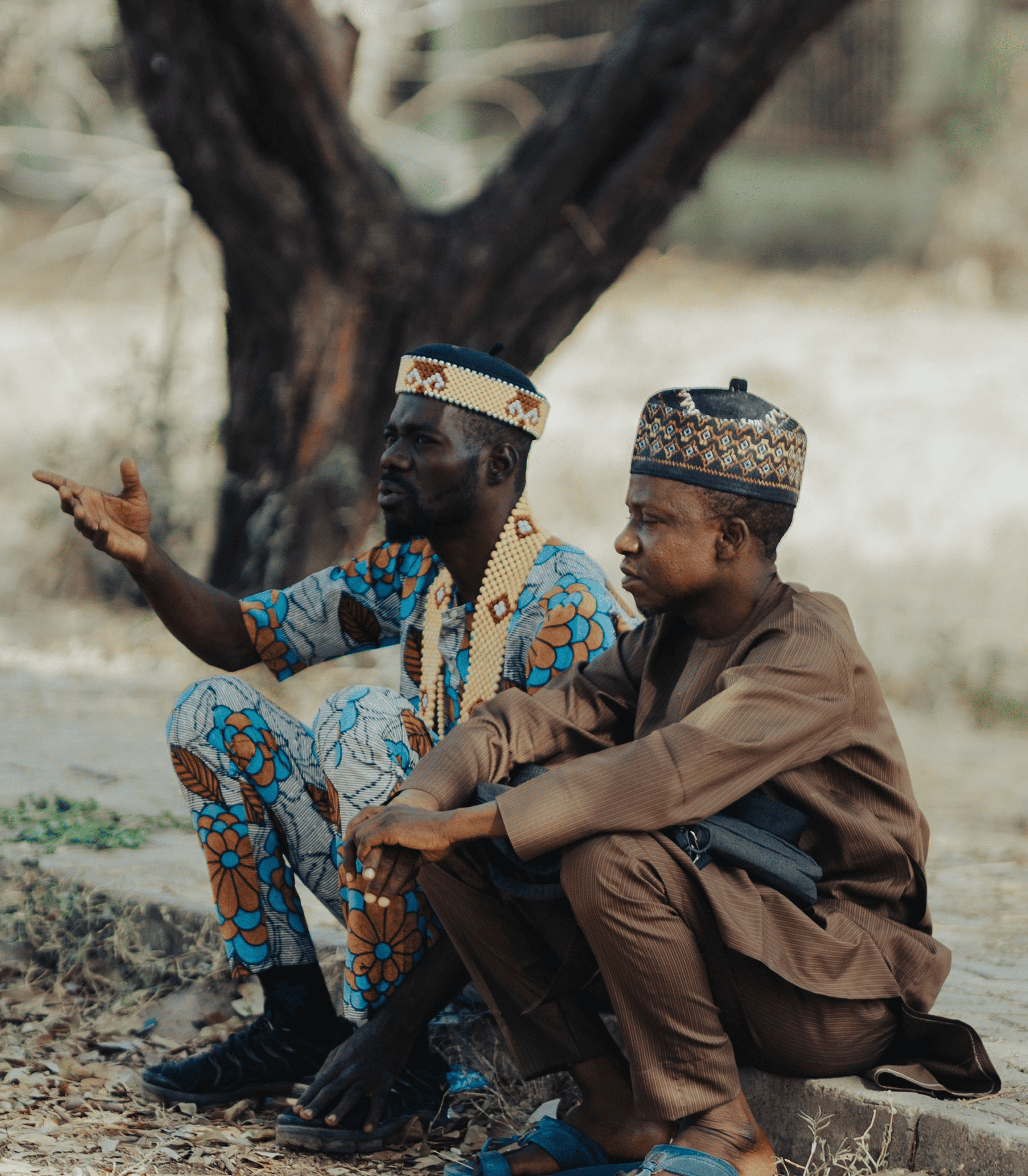
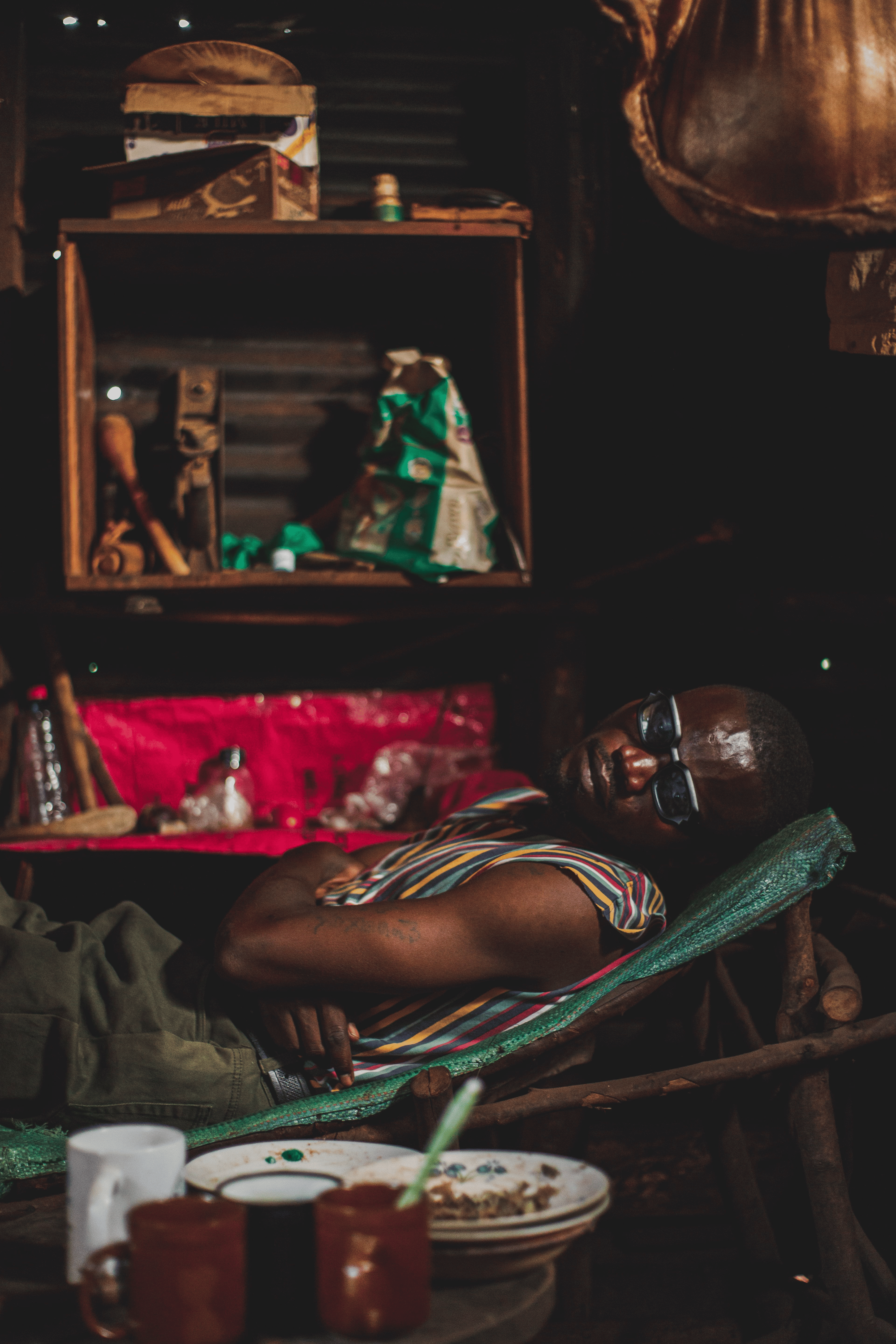
Perhaps the most radical thing an African household can do is to stop apologising for tiredness: to say, plainly, that the children aren’t available every evening, the adult won’t answer every call, and the family gathering will end at a reasonable hour. This is not Western individualism imported by influencers but an old truth returning; people aren’t resources to use up but rather ancestors in the making.
Gordimer wrote about the politics of the everyday and how ordinary lives carry the weight of broader systems. The question of rest isn’t private in this light but perhaps also political, tasking us with asking what kind of future we’re building in these homes. Is everyone burning out beautifully? Or living long enough to see their own grandchildren and tell stories not about survival but instead something softer?

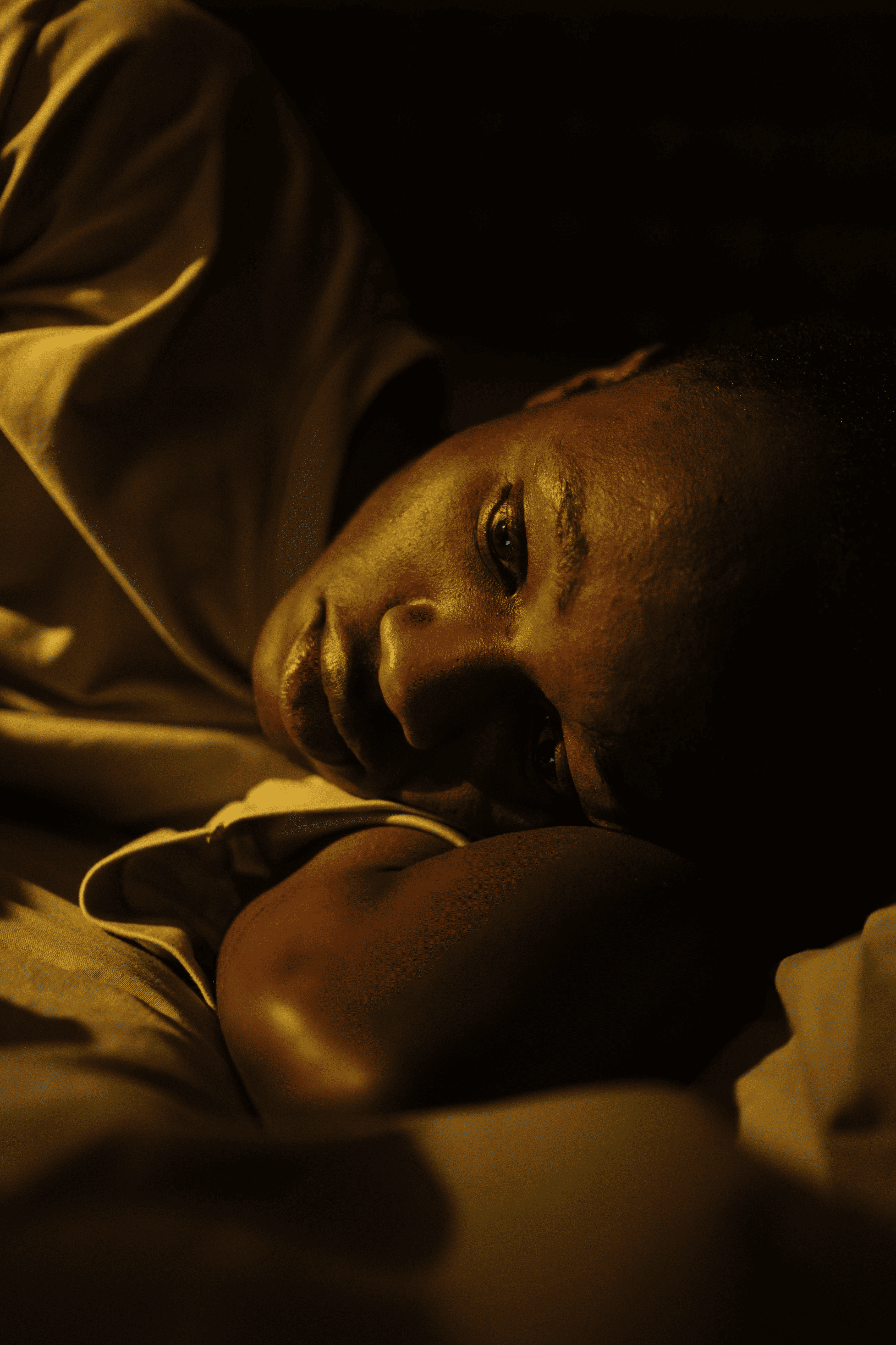
Rest, in this telling, isn’t a luxury. It should be a practice and the space where people remember they’re more than what they produce – an action where the future is imagined without the noise of alerts and demands.
It’s where the continent’s tired children learn, slowly, that they are allowed to stay.
Image citations:
pexels David Kwewum | pexels LekePOV | pexels Ekua Apau | pexels Tima Miroshnichenko | pexels Zeal Creative Studios | pexels Skylight Views | pexels Mukula Igavinchi | pexels Kold Shots | pexels cottonbro studio