Tesla, Volkswagen and Amazon filings flag blacklisted African gold refiners as possible suppliers
Supply-chain disclosures by Tesla, Amazon and Volkswagen have identified sanctioned gold refineries in Uganda and Rwanda among facilities that may have processed minerals used somewhere within their supplier networks.
 Black News


Supply-chain disclosures by Tesla, Amazon and Volkswagen have identified sanctioned gold refineries in Uganda and Rwanda among facilities that may have processed minerals used somewhere within their supplier networks.
- More than 170 companies reportedly named four sanctioned gold refiners among facilities that might have processed minerals in their supply chains.
- The companies included Tesla, Amazon and Volkswagen, while the African refineries were located in Uganda and Rwanda.
- Their inclusion does not prove that the companies bought gold from either refinery or used it in a particular product.
- The disclosures expose the difficulty of tracing gold through several layers of suppliers, traders and manufacturers.
The findings come from an analysis by the Financial Times, which examined the latest conflict-mineral and supply-chain disclosures of companies in the United States and elsewhere.
More than 160 American companies and at least ten foreign businesses reportedly named one or more of four gold refineries under US, British or European sanctions.
The companies included Tesla, Amazon, Volkswagen and Nokia. The African facilities identified were African Gold Refinery in Uganda and Gasabo Gold Refinery in Rwanda.
However, their appearance in the disclosures does not prove that any of the companies purchased gold from either refinery, directly or indirectly.
It also does not establish that gold processed by the refineries entered a Tesla vehicle, an Amazon device, a Nokia product or a Volkswagen car.
Conflict-mineral reports can contain extensive lists supplied by manufacturers several levels removed from the company submitting the disclosure. Businesses may therefore identify every refinery that could have handled minerals used by their suppliers, even when they cannot link a particular facility to their own products.
The findings instead highlight how difficult it remains for large companies to trace gold through every trader, refiner, component manufacturer and contractor in a global supply chain.
Why the two African refineries were sanctioned
The United States sanctioned African Gold Refinery and Belgian businessman Alain Goetz in March 2022.
In its sanctions announcement, the US Treasury alleged that companies in a network controlled by Goetz participated in the movement of illicitly sourced gold worth hundreds of millions of dollars annually from the Democratic Republic of Congo.
DON'T MISS THIS: U.S. steps up efforts to counter China in Africa with $9b move to buy 40% of Glencore’s DRC mines
Treasury said African Gold Refinery had sourced gold from mines in Congolese areas controlled by armed groups. It also alleged that the network moved gold through Uganda and the United Arab Emirates before it entered international markets.
The US government estimated at the time that more than 90% of Congo’s gold was being smuggled into neighbouring countries, including Uganda and Rwanda.
It said the trade deprived Congo of tax revenue while providing income to armed groups operating in the mineral-rich eastern part of the country.
Washington imposed separate sanctions on Gasabo Gold Refinery in June 2026.
The US Treasury alleged that at least 60 kilograms of gold worth millions of dollars had been transported from M23-controlled parts of eastern Congo to the Rwandan refinery during the early months of 2026.
These are allegations made by the US government in support of its sanctions decisions. They do not prove that the gold entered the supply chains or products of any company named by the Financial Times.
The refineries and individuals affected by the sanctions should be offered an opportunity to respond.
How gold can lose its identity
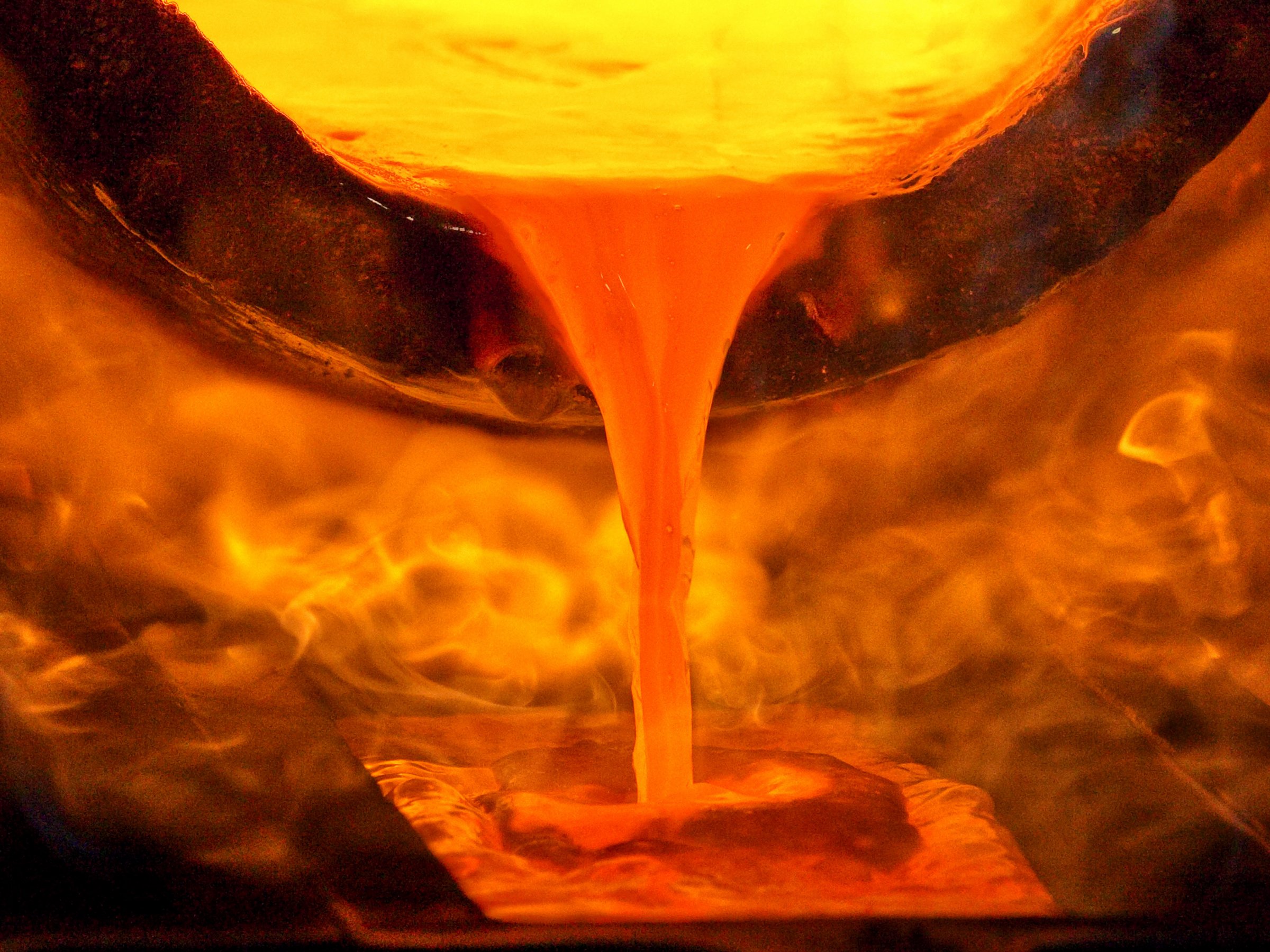
Gold presents a difficult tracing problem because it can be melted, mixed and repeatedly traded without retaining a visible record of where it was mined.
DON'T MISS THIS:U.S. steps up efforts to counter China in Africa with $9b move to buy 40% of Glencore’s DRC mines
A multinational company may buy an electronic component from one manufacturer. That manufacturer may buy smaller parts from several contractors, which source refined gold through other suppliers or commodity traders.
The famous consumer brand can consequently sit several steps away from the original refinery.
US-listed companies whose products require gold, tin, tantalum or tungsten must investigate whether those minerals originated in Congo or neighbouring countries and describe the due-diligence measures they applied.
The reporting requirement was introduced under the Dodd-Frank Act because of concerns that mineral sales were financing armed groups in Congo.
Businesses commonly use supplier questionnaires and the Conflict Minerals Reporting Template developed by the Responsible Minerals Initiative. However, the information available to a company is only as accurate and complete as the responses supplied through the chain.
A long list of potential refineries can therefore demonstrate that a company sought information from suppliers while simultaneously revealing that it could not identify the processor behind every gram of metal in its products.
The defensible conclusion is not that Tesla, Amazon or Volkswagen used sanctioned African gold. It is that their disclosures, according to the Financial Times’ analysis, could not completely rule out blacklisted refineries from their extended supplier networks.
Congo’s minerals move deeper into global politics
The findings arrive as the United States attempts to secure greater access to Congo’s copper, cobalt and other strategic minerals.
Earlier, a US-backed consortium proposed acquired 40% of Glencore’s major Congolese copper and cobalt assets.
That effort is intended partly to reduce American dependence on mineral supply chains dominated by China.
The gold disclosures expose the other side of the contest. Securing access to African minerals is not enough, international companies must also establish where the material originated, who processed it and whether any sanctioned business participated along the way.