Tyla’s Aim is Not to Sweat
“There’s a thing that rings inside of me when I know something is right for me,” Tyla says. “If I don’t have that feeling, then I know it’s not meant to be. And when I have a feeling or a vision and I see it actually happen, it’s like I literally have superpowers.”The singer-songwriter and global pop star is calling from her hotel room in New York, where she was still arriving from the airport when we started the call — “it may break up, she’s still in the elevator,” her publicist warned. I am bracing myself for a travel-worn, sparing interviewee, but when Tyla greets me moments later, she’s as ebullient as ever. She trills and giggles and growls and jokes, and is exactly in conversation as she is in her music; relaxed, playfully coy, charmingly irreverent, and then suddenly, subtly commanding. When we speak, it’s been a two months since the release of her sophomore album A*POP, which she celebrated with a party in Los Angeles hosted by PAPER and Kate Spade. (She recently became a global ambassador for the brand, and wears pieces including the Kate Spade New York Duo Mini Shoulder Bag and Cuddle Monster Tee from their fall 2026 collection in this story.)Tyla refers to A*POP as a “diary entry of everything I felt during that time, everything I wanted to make.” She began recording the project at the beginning of 2025, but as the early process moved along, she felt like she was just making music for music’s sake: “I wasn’t ready to be locked in on an album.” She didn’t hear the ringing inside, so in classic Tyla fashion, she pivoted, releasing some of the songs she’d recorded as a a 4-track EP called WWP (We Wanna Party) and delaying the release of A*POP."‘We wanna party’ is something we always chant in South Africa, and at that time, that's all I wanted to do,” she explains. “I just wanted to go out and do anything and everything that I wanted to, whether it made sense or not, so that's what I did. As I started experiencing new things, and becoming a little bit more risky, I slowly started making more music that made sense for the time I was in.” She returned to South Africa, recording anywhere from the middle of house parties to outdoors in nature; and then she was recording overseas, traveling across Asia and the Middle East on an 8-stop string of shows. “I don't have a strict routine; everything I do in life is based on the environment, the circumstances.” The resulting record is a lush 14-track blend of electronic pop, amapiano, R&B, and percussive Afrobeats that she says honor her inner child and true tastes. With songwriting and executive production credits on every track (with the exception of the “FAIRYTALE,” a remix with South African soul and house duo Liquideep of their 2010 hit of the same name), there’s a clear progression in the sonic landscape of what she’s coined “African Pop.” The tracks “IS IT” and “CHANEL” repeat from WWP, and there’s a clear bridge to “SHE DID IT AGAIN” with Zara Larsson and “THAT GIRL.” She’s still in the club, but her girls are here with her now. “I'm really looking forward to performing A*POP live,” she says, “and to be feeling the room as I'm in it.” The A*POP Tour, which kicked off this week in Paris, is the follow-up to 2024’s Tyla Tour, which was cancelled due to a back injury. “I'm excited, like sometimes I forget, after all these crazy moments — I never did a proper tour ever in my life. It feels like I'm working backwards.” The 24-year-old South African has spent the last few years becoming one of the most visible and consistent faces from her continent on the global stage. Since her 2023 breakout hit “Water,” which became the first song by an African artist to surpass a billion Spotify streams, she has released two albums and an EP, won two Grammys, two VMAs, two BET Awards, and three American Music Awards, attended two Met Galas, and become the highest-charting African female soloist on both the Hot 100 and The Billboard 200. Almost more impressively, she isn’t surprised by any of it. “I remember being so young and this being set on me,” Tyla says, “From such a young age, I just knew this was going to happen.” When Tyla first appeared on our screens and in our headphones, it did almost feel as though her space in the pop pantheon had been carved out all along. In some ways, she followed a clear lineage of impossibly beautiful and charismatic mononymic divas that had come before her. And by the time she debuted, the rise of African music in the West was already strongly underway, with artists like Burna Boy, WizKid, Rema, and Tems already topping the charts. But when Tyla was growing up, there were no such globally successful models to look to. Born Tyla Laura Seethal and raised with her four siblings in Johannesburg, her parents always encouraged her to put her studies first rather than chasing an “unobtainable” career. Popstar dreams tend to seem unrealistic and far-fetched no matter who you are, but for a young girl growing up in South Africa, the message w
 Black News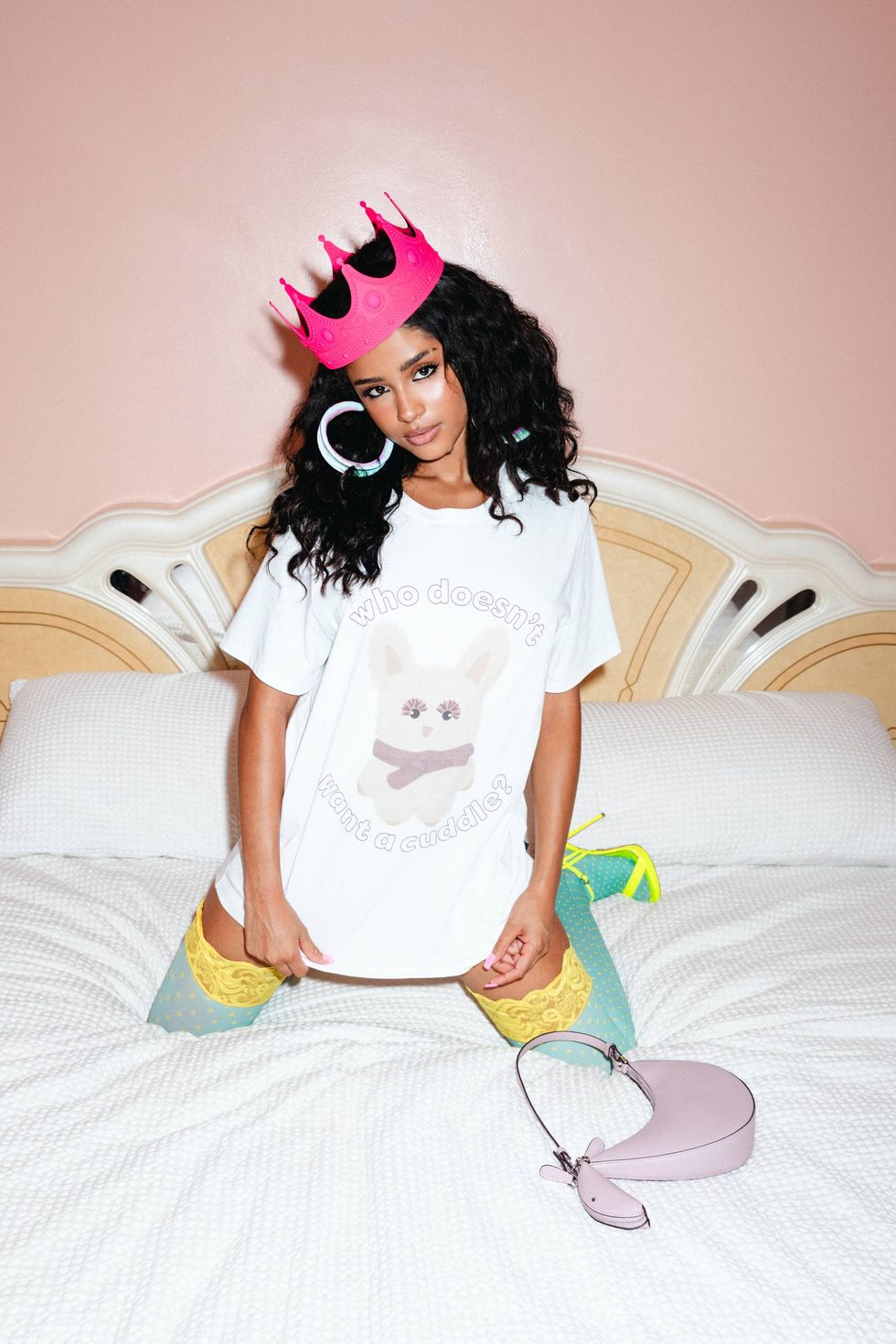
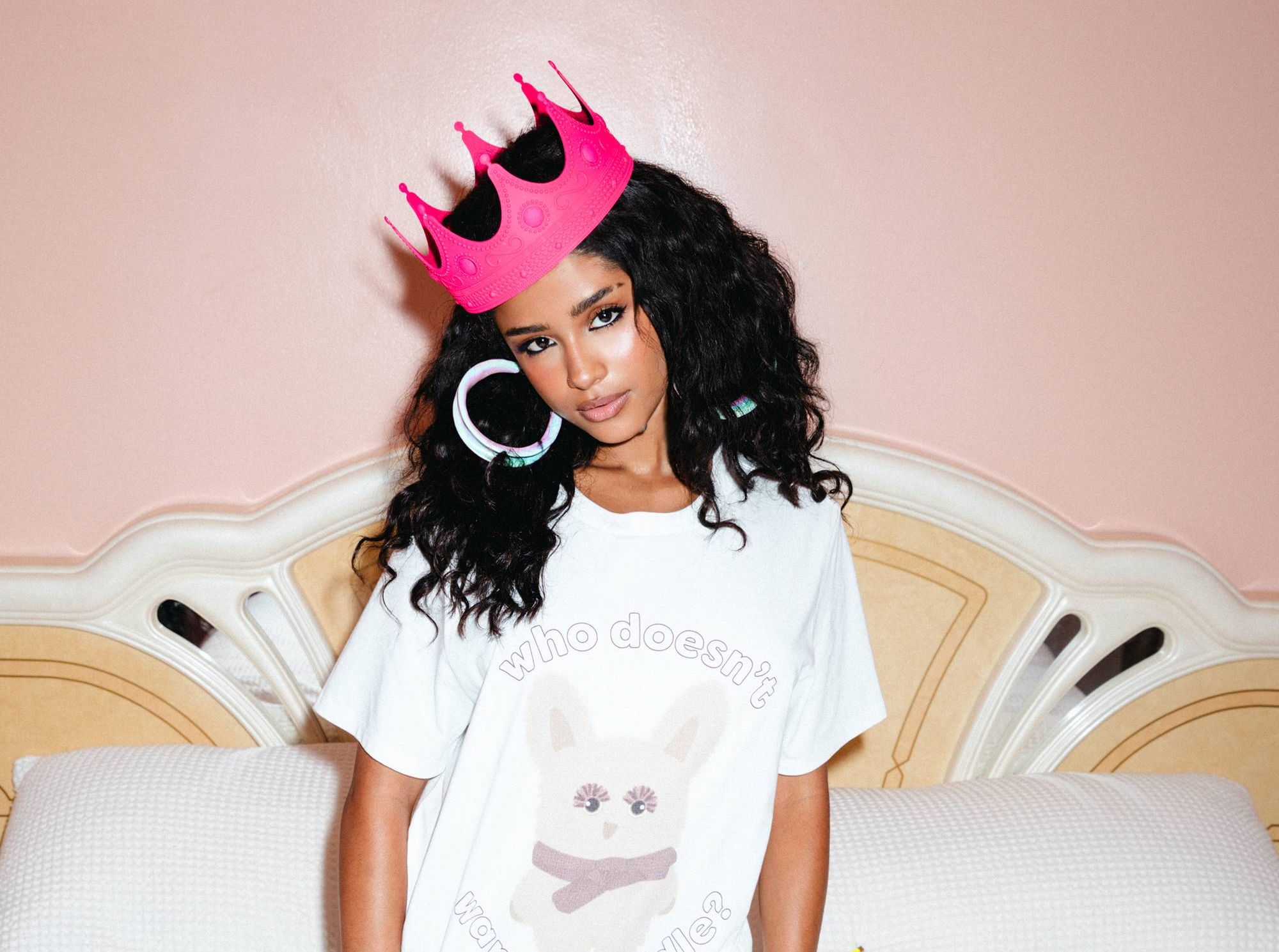
“There’s a thing that rings inside of me when I know something is right for me,” Tyla says. “If I don’t have that feeling, then I know it’s not meant to be. And when I have a feeling or a vision and I see it actually happen, it’s like I literally have superpowers.”
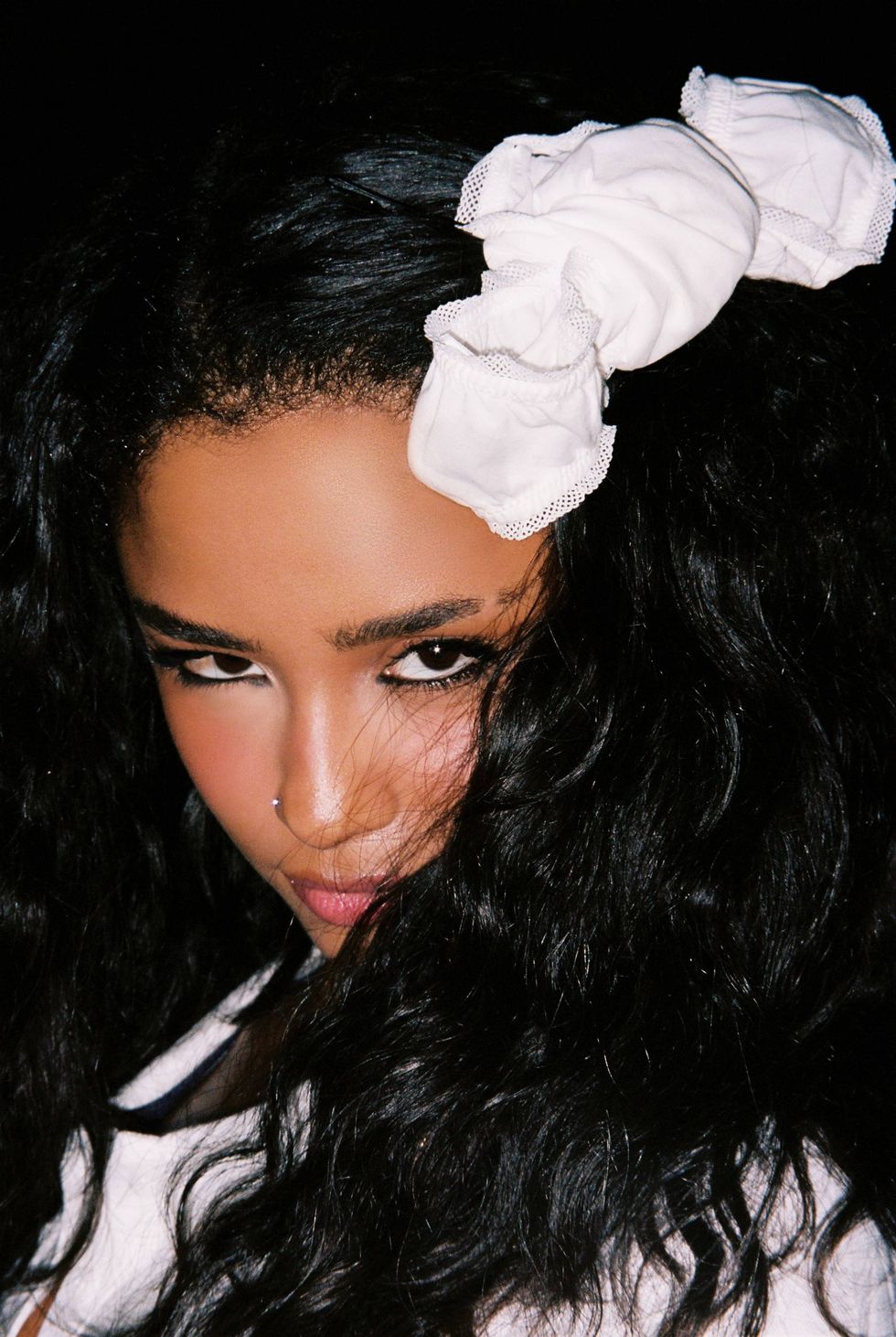
The singer-songwriter and global pop star is calling from her hotel room in New York, where she was still arriving from the airport when we started the call — “it may break up, she’s still in the elevator,” her publicist warned. I am bracing myself for a travel-worn, sparing interviewee, but when Tyla greets me moments later, she’s as ebullient as ever. She trills and giggles and growls and jokes, and is exactly in conversation as she is in her music; relaxed, playfully coy, charmingly irreverent, and then suddenly, subtly commanding.
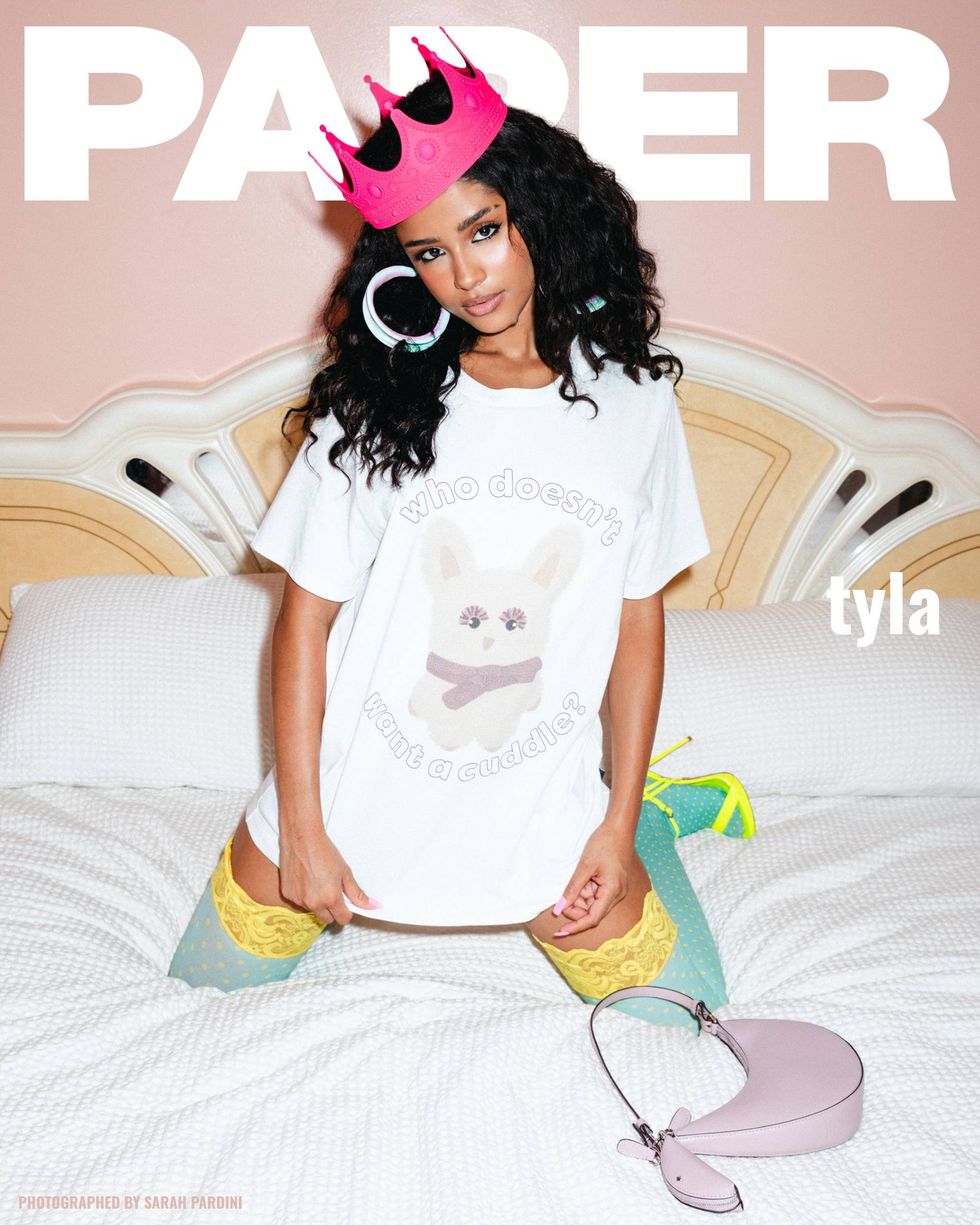
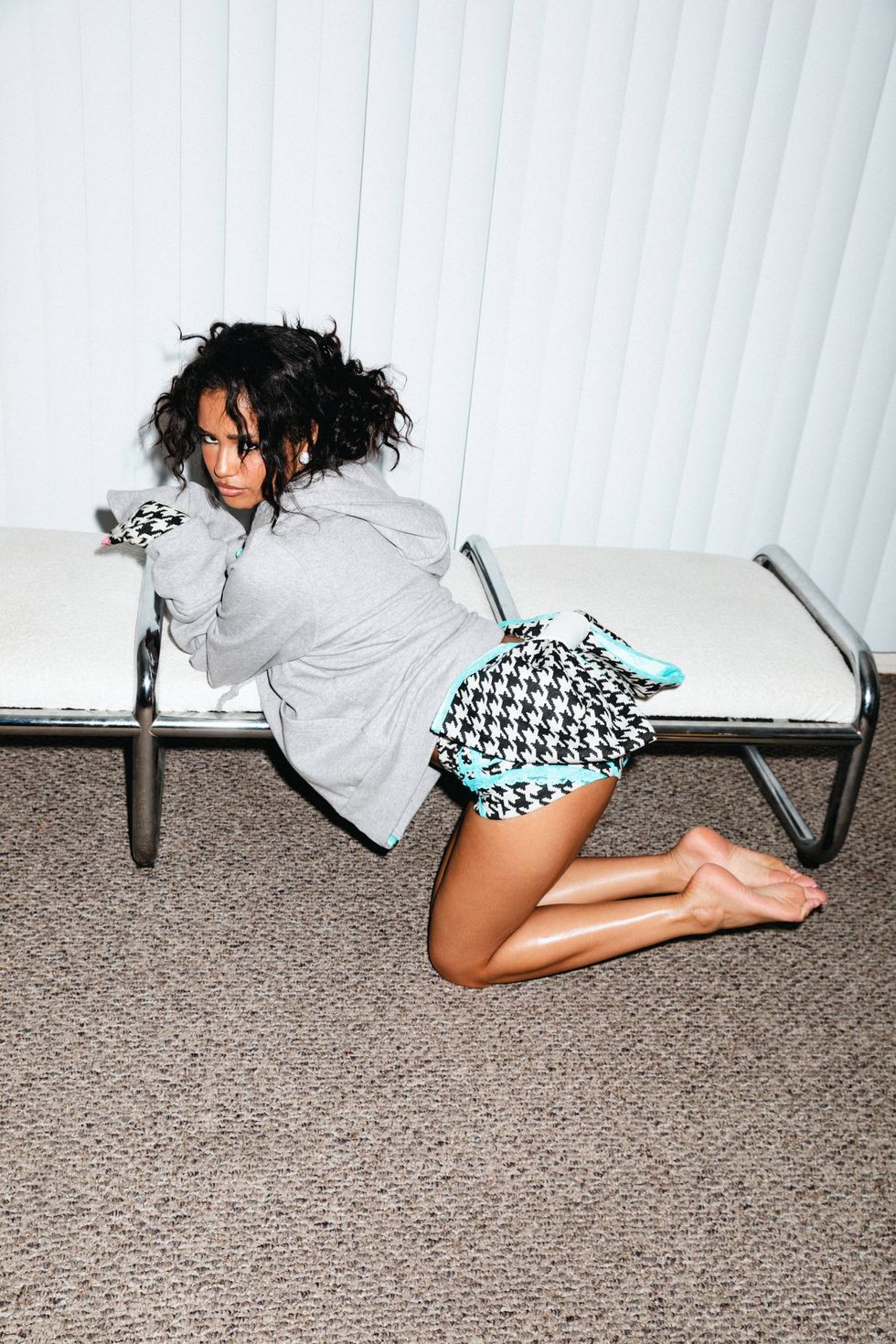
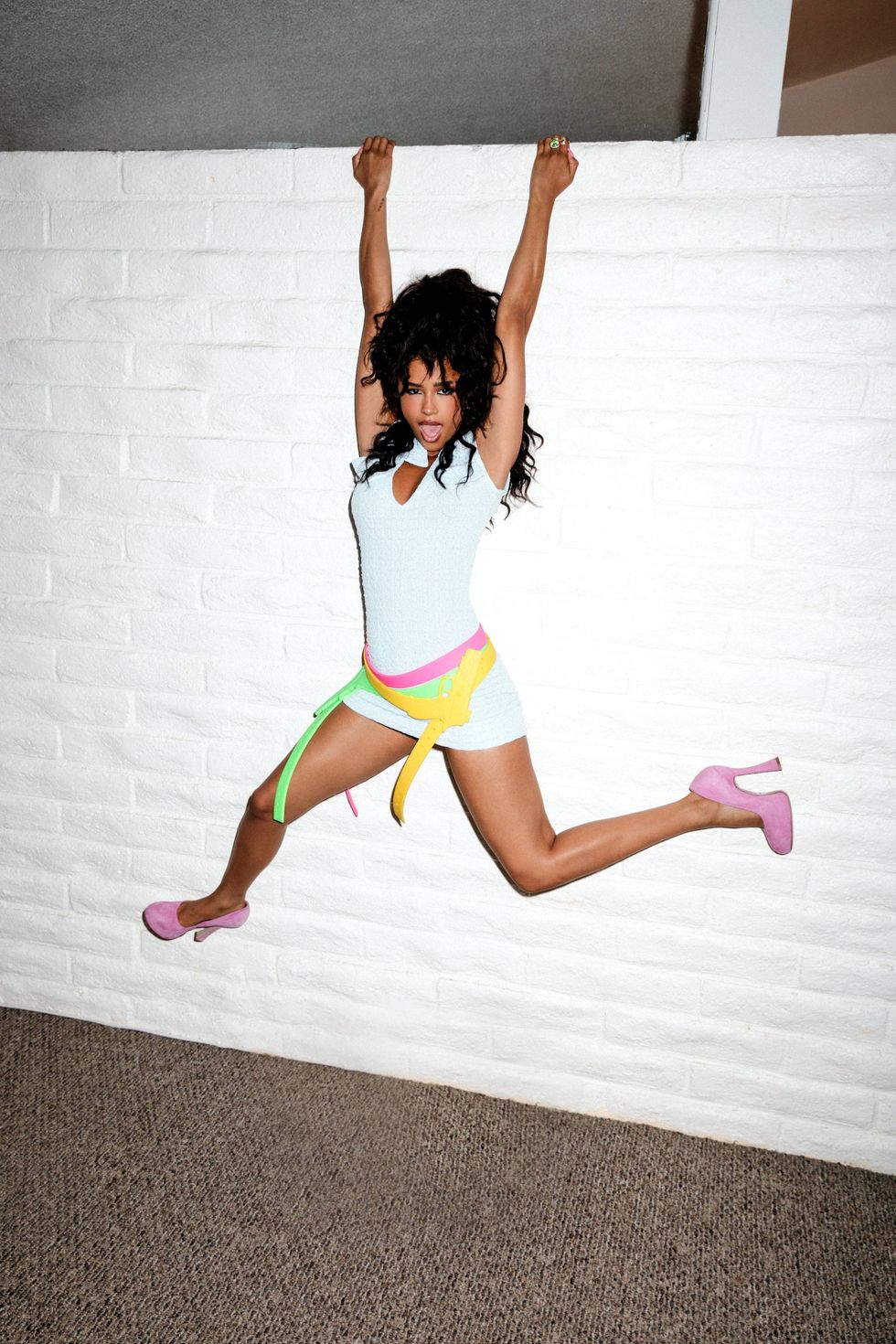
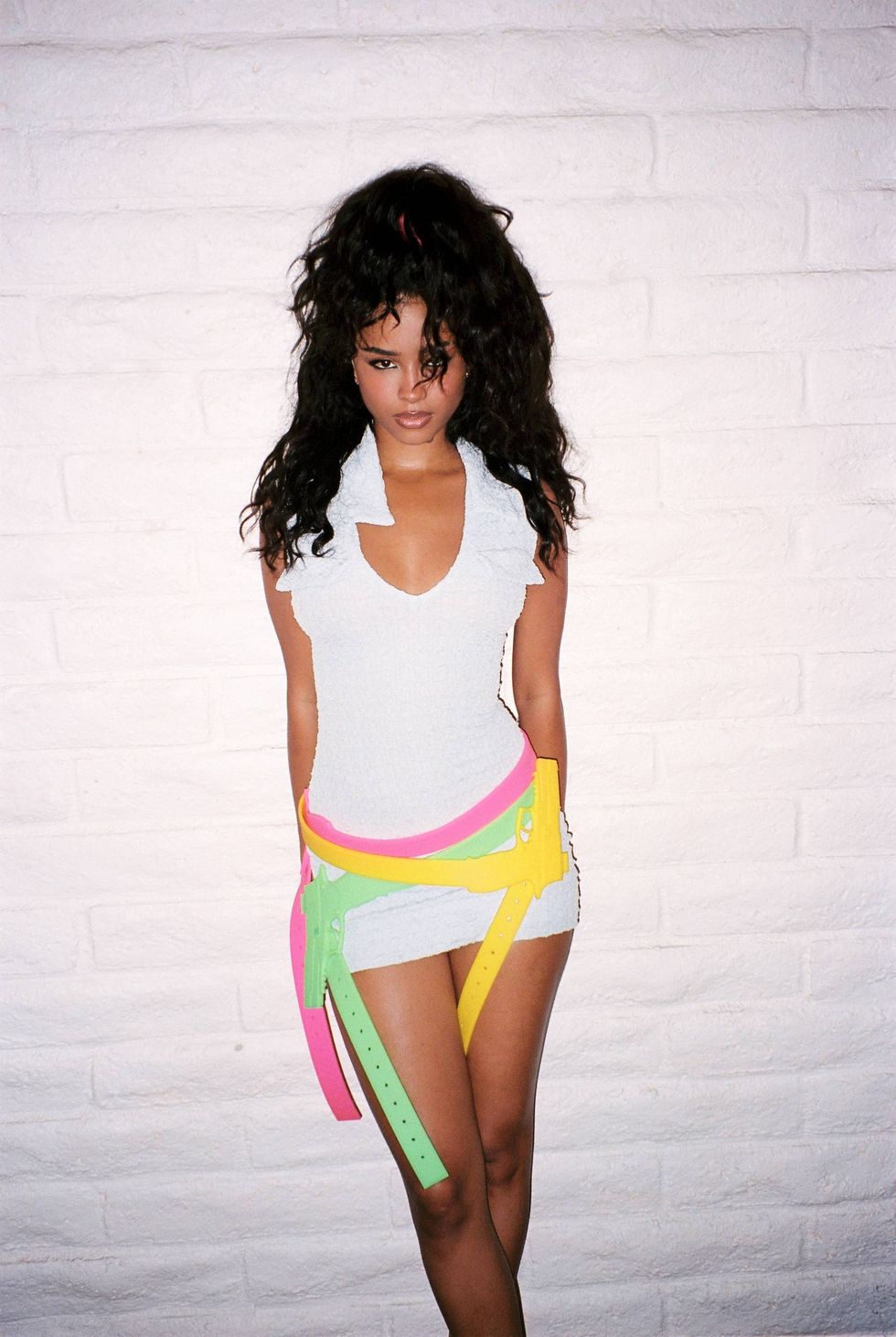
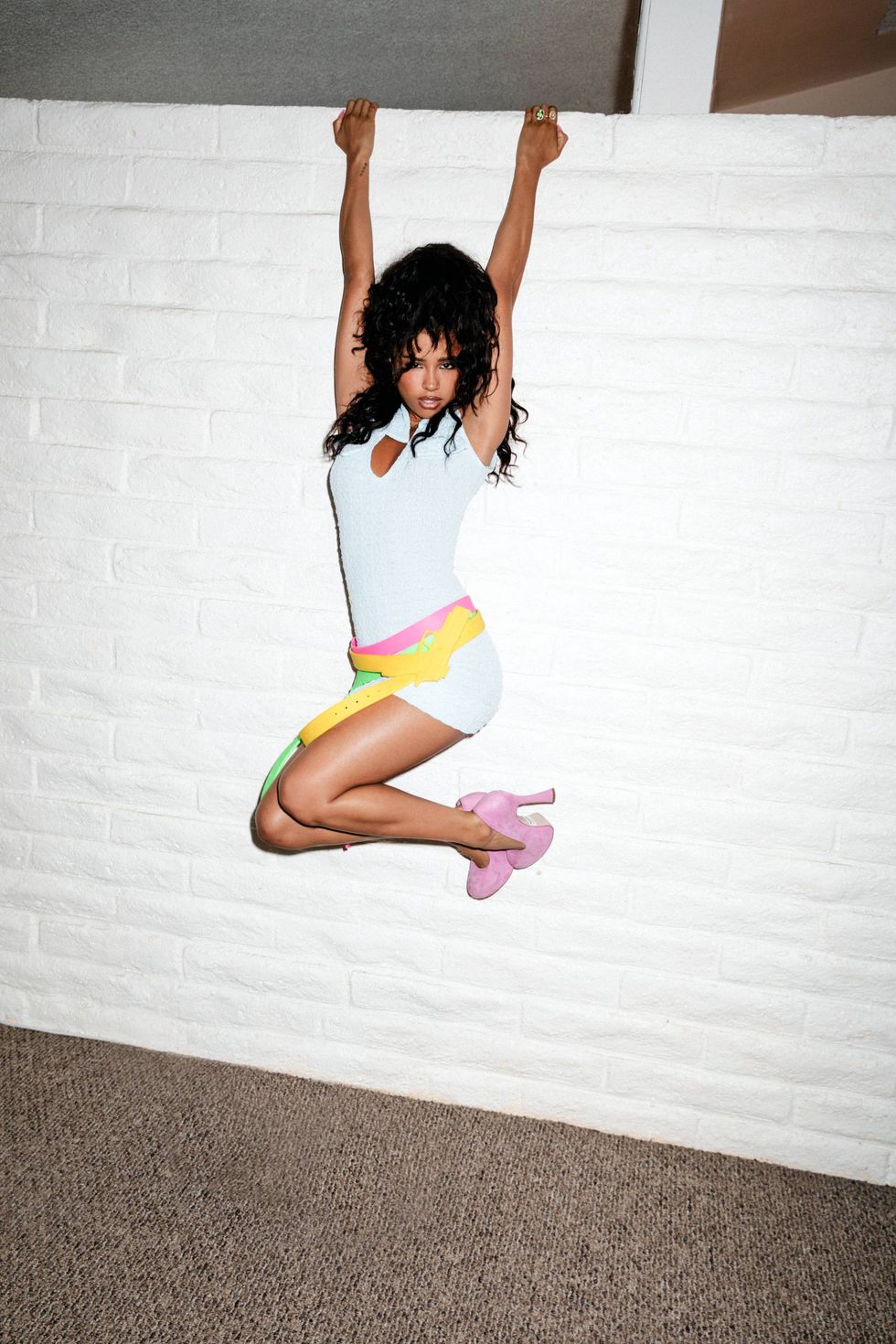
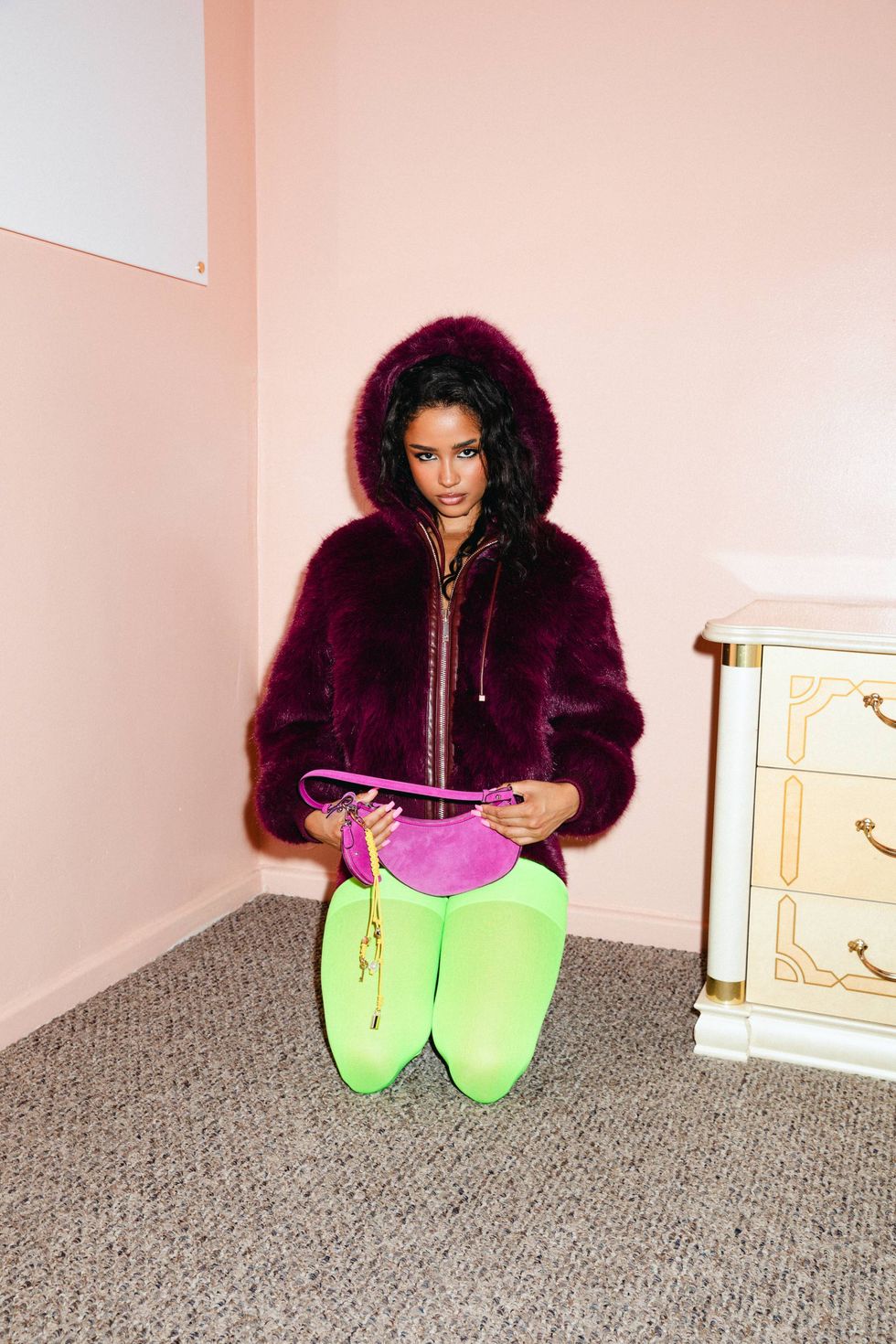
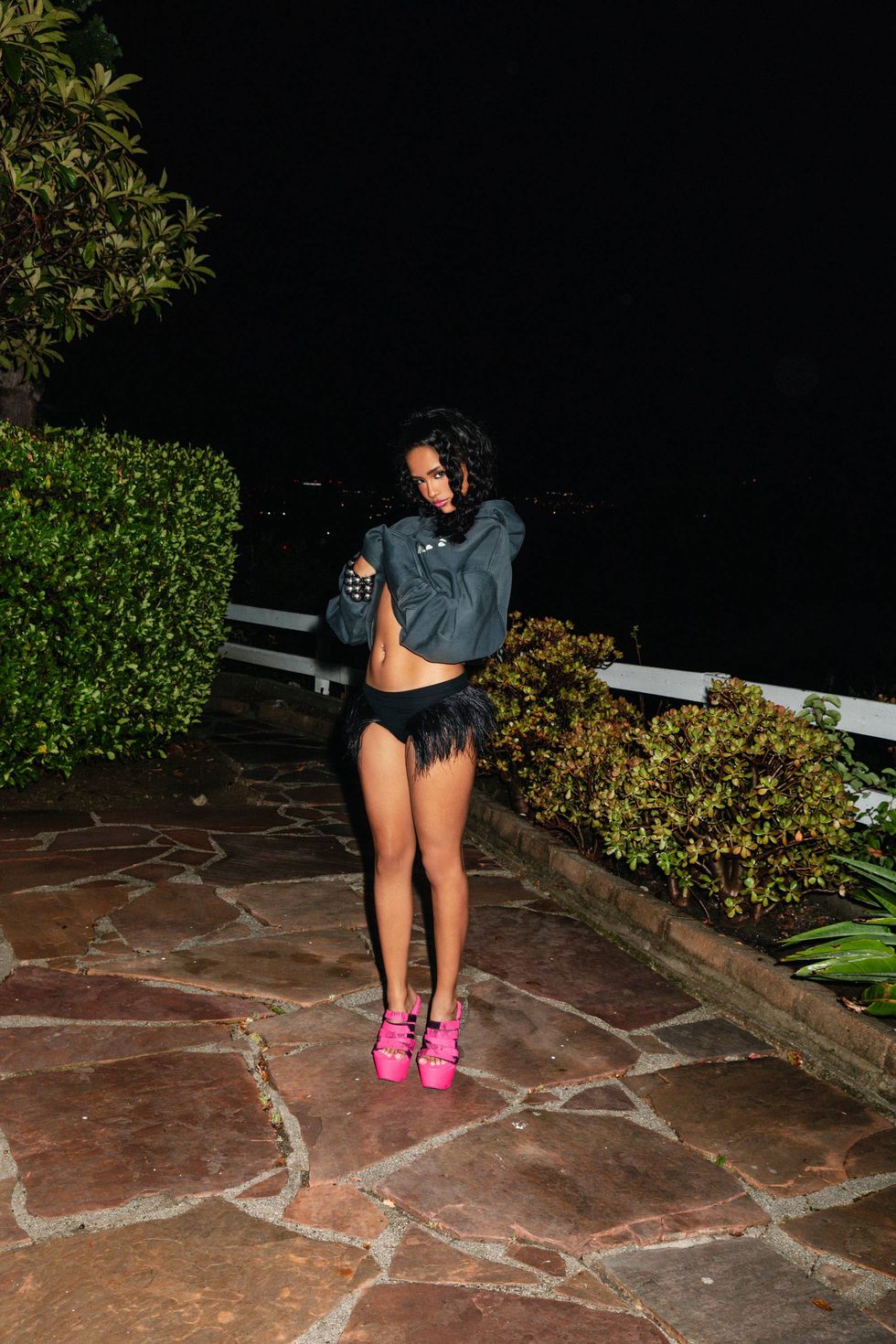
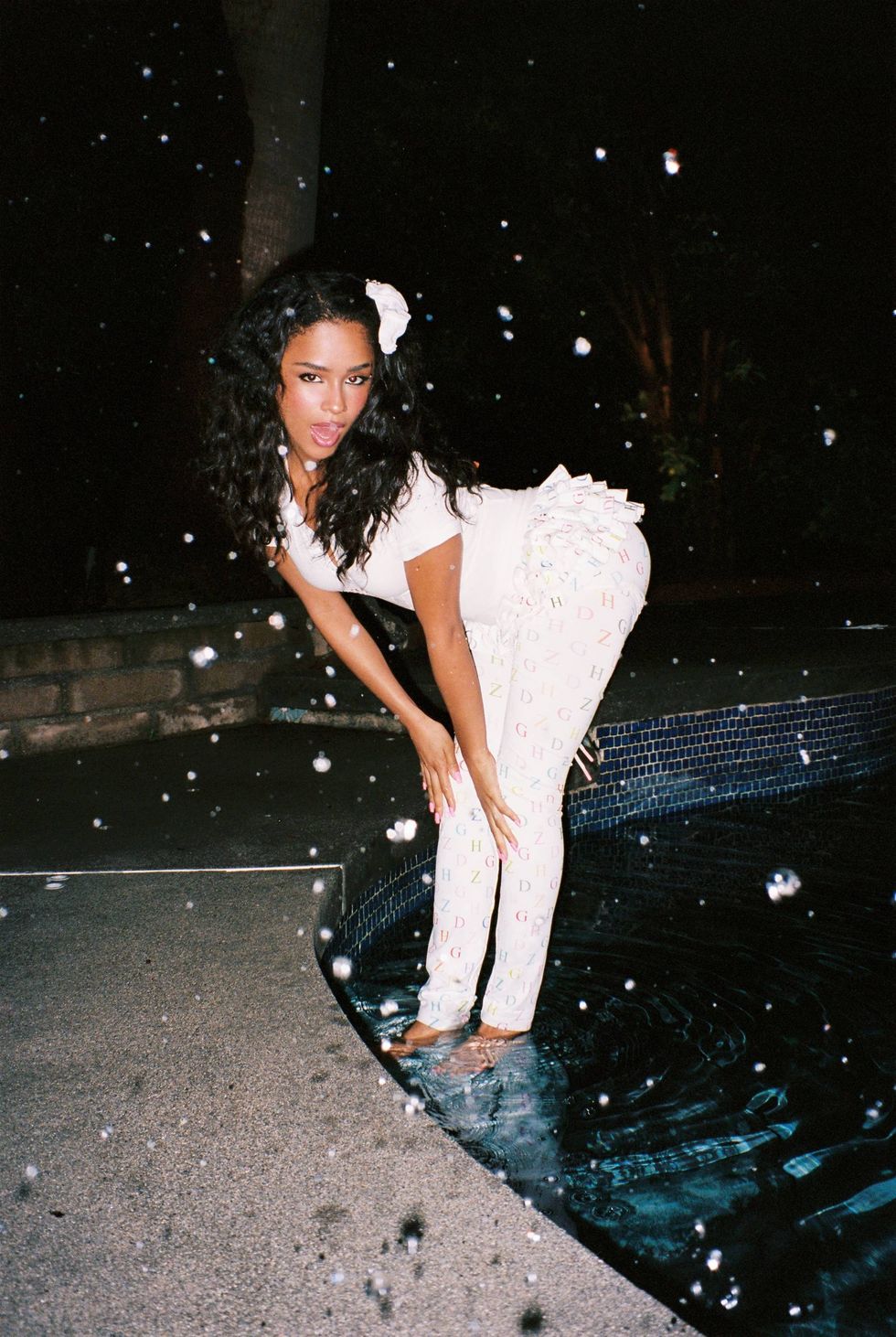
When we speak, it’s been a two months since the release of her sophomore album A*POP, which she celebrated with a party in Los Angeles hosted by PAPER and Kate Spade. (She recently became a global ambassador for the brand, and wears pieces including the Kate Spade New York Duo Mini Shoulder Bag and Cuddle Monster Tee from their fall 2026 collection in this story.)
Tyla refers to A*POP as a “diary entry of everything I felt during that time, everything I wanted to make.” She began recording the project at the beginning of 2025, but as the early process moved along, she felt like she was just making music for music’s sake: “I wasn’t ready to be locked in on an album.” She didn’t hear the ringing inside, so in classic Tyla fashion, she pivoted, releasing some of the songs she’d recorded as a a 4-track EP called WWP (We Wanna Party) and delaying the release of A*POP.
"‘We wanna party’ is something we always chant in South Africa, and at that time, that's all I wanted to do,” she explains. “I just wanted to go out and do anything and everything that I wanted to, whether it made sense or not, so that's what I did. As I started experiencing new things, and becoming a little bit more risky, I slowly started making more music that made sense for the time I was in.” She returned to South Africa, recording anywhere from the middle of house parties to outdoors in nature; and then she was recording overseas, traveling across Asia and the Middle East on an 8-stop string of shows. “I don't have a strict routine; everything I do in life is based on the environment, the circumstances.”
The resulting record is a lush 14-track blend of electronic pop, amapiano, R&B, and percussive Afrobeats that she says honor her inner child and true tastes. With songwriting and executive production credits on every track (with the exception of the “FAIRYTALE,” a remix with South African soul and house duo Liquideep of their 2010 hit of the same name), there’s a clear progression in the sonic landscape of what she’s coined “African Pop.” The tracks “IS IT” and “CHANEL” repeat from WWP, and there’s a clear bridge to “SHE DID IT AGAIN” with Zara Larsson and “THAT GIRL.” She’s still in the club, but her girls are here with her now.
“I'm really looking forward to performing A*POP live,” she says, “and to be feeling the room as I'm in it.” The A*POP Tour, which kicked off this week in Paris, is the follow-up to 2024’s Tyla Tour, which was cancelled due to a back injury. “I'm excited, like sometimes I forget, after all these crazy moments — I never did a proper tour ever in my life. It feels like I'm working backwards.”
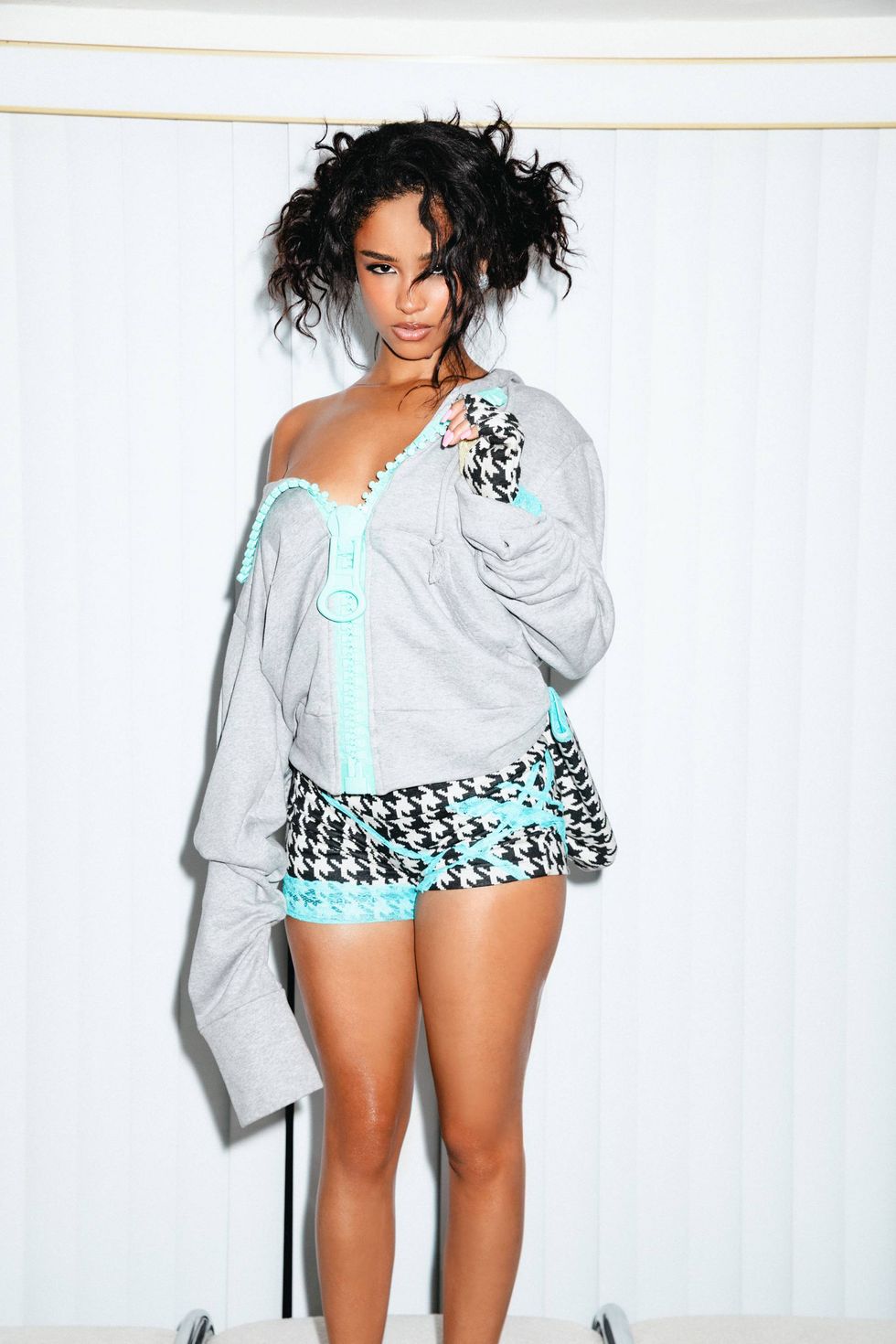
The 24-year-old South African has spent the last few years becoming one of the most visible and consistent faces from her continent on the global stage. Since her 2023 breakout hit “Water,” which became the first song by an African artist to surpass a billion Spotify streams, she has released two albums and an EP, won two Grammys, two VMAs, two BET Awards, and three American Music Awards, attended two Met Galas, and become the highest-charting African female soloist on both the Hot 100 and The Billboard 200. Almost more impressively, she isn’t surprised by any of it.
“I remember being so young and this being set on me,” Tyla says, “From such a young age, I just knew this was going to happen.”
When Tyla first appeared on our screens and in our headphones, it did almost feel as though her space in the pop pantheon had been carved out all along. In some ways, she followed a clear lineage of impossibly beautiful and charismatic mononymic divas that had come before her. And by the time she debuted, the rise of African music in the West was already strongly underway, with artists like Burna Boy, WizKid, Rema, and Tems already topping the charts. But when Tyla was growing up, there were no such globally successful models to look to.
Born Tyla Laura Seethal and raised with her four siblings in Johannesburg, her parents always encouraged her to put her studies first rather than chasing an “unobtainable” career. Popstar dreams tend to seem unrealistic and far-fetched no matter who you are, but for a young girl growing up in South Africa, the message was clear; people like that simply don’t come from places like this. But as much as Tyla was a child of South Africa, she was a child of the internet — and by extension, a child of the world.
With the ravenous cultural appetite of an adolescent, she grew up consuming Western pop and R&B and South African amapiano and kuwaito and house with equal fervor. Her earliest YouTube video, still up on her channel, is a cover of Justin Bieber’s “Fall” that she uploaded at the age of 11. As she got older, she kept recording covers, posting them on Instagram, and DMing them to artists she admired hoping to get their attention. She learned how to belly dance from her aunt, and begged her parents for formal dance lessons to no avail. “If they let me do it, they would have to let all my sisters do it,” she says, “and there were just too many of us to be doing all these fancy extramurals.” So she would look up videos from Playground LA, a dance studio in Los Angeles that had a large and early YouTube presence. “I would download the clips and slow them down on iMovie and learn it piece by piece by piece in my room. I used to be obsessed.”
By the time she was in high school, the covers Tyla was recording and posting were getting more and more attention; eventually, one caught the eye of her first manager, who began organizing her first formal studio sessions. Suddenly, the dream didn’t seem so unobtainable after all, so she negotiated with her parents for a gap year before university. “My parents obviously wanted me to study, but I was like, guys, give me one year, like damn. One year!” A few months after graduating high school, she independently released her debut single, “Getting Late,” a pop-amapiano crossover dance track that set the tone for what would become her signature sound. A few months after that, COVID grinded the world to a halt, delaying the video for “Getting Late” until early 2021. When the video finally dropped, it set off a label bidding war.
Now with the support of Epic Records, Tyla kept working at her sound, releasing a series of singles to follow up “Getting Late.” In 2023, she struck gold with “Water.” The flirty ‘popiano’ track with its innuendos and earworm chorus became an inescapable international sensation seemingly overnight, propelled by megaviral videos of Tyla performing its corresponding dance, inspired by the South African style bacardi, while pouring a water bottle on herself over her shoulder.
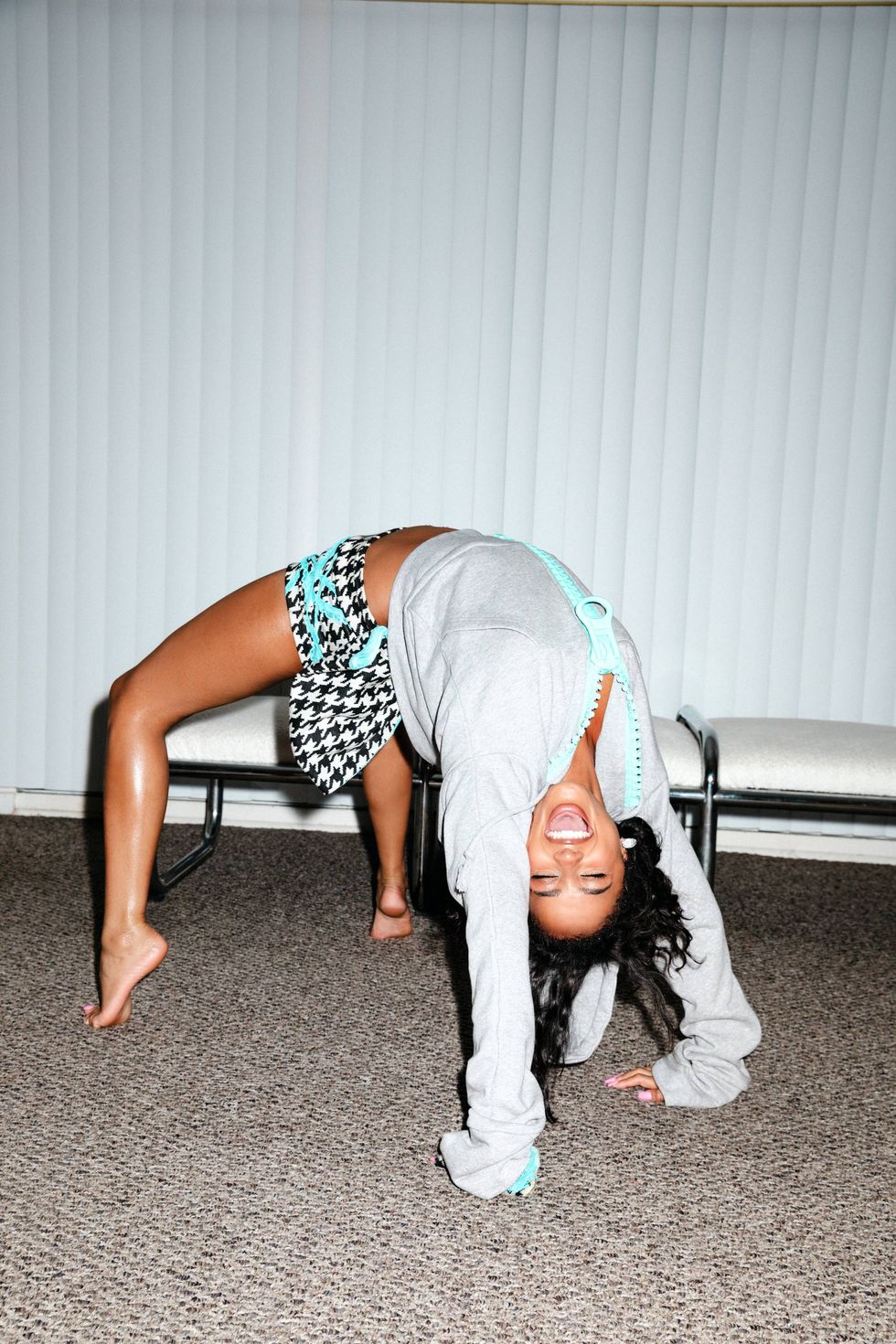
If the 2010s were about twerking and throwing ass, the 2020s are about controlled waistlines and wining your hips — and perhaps no other star of our day is more emblematic of that movement than Tyla. It’s easy to understand why her most culturally explosive moments are always connected to her dancing; at its core, her music lives in the body. It comes with an imperative to move.
Tyla and her choreographer Lee-ché Janecke, known professionally as Litchi HOV, have figured out a formula that artists and music executives in the era of TikTok are constantly chasing. From “Water” to the choreography for “PUSH TO START” to the infectious stank walk set to “THAT GIRL,” her dances are just as adept at getting stuck in your ahead as her hooks and choruses.
“All the things that just go crazy — the “Water” dance, and the waist stuff, and the things that I just really love to bring out of me on stage — come from [Litchi and I] just going off in a studio,” she describes. The pair choreographs like they’re having a conversation, trading off moves back and forth again and again. “It has to always be just me and him in one room — a bedroom or a lounge or a studio or anywhere. We could do it anywhere at any time.”
Litchi and Tyla met during her gap year in South Africa. Already a multihyphenate in his own right, Litchi had co-founded the queer dance group Vintage Cru in the 2010s — widely credited with introducing waacking and vogueing dance styles to South Africa — and was choreographing for an artist with whom Tyla shared her manager. “I would just be around, and I would always watch Lee-ché,” Tyla remembers, “and I was like, ‘no, I want to dance too.’ So I would then have an hour with him, and we would do sessions, and we would just laugh the whole time and make up dances and choreo to our favorite songs.”
Along with Thato Nzimande, Tyla’s childhood friend and creative director, the three became inseparable. “We would do everything together creatively. We call ourselves the Powerpuff Girls.” As she released her earliest music, still working with the budget of an emerging artist, Litchi started to choreograph for her for free. “He would just be down for it. We just all grew together. I feel like we have one brain right now, because whenever we’re together, things just flow out of us.”
It is that kind of genuine friendship and comfortable flow that lies at the bedrock of A*POP. Many of Tyla’s collaborators and creative team are also the same people she spends her downtime with between shows and sessions. When they make songs about the club together, often it’s after having just gone to the club together. Tyla lights up when I ask about one of my favorite lyrics on the project, at the start of “THAT GIRL”: beautiful flowers in the section just like a garden.
“That's honestly one of my favorite lyrics that I've ever sang — that’s a bar!” she laughs. “I make music for everyone, but when I speak about women in that way, that's just what I really feel. Some people try to make it a bad thing for girls to be in the club, dancing and drinking, but I think it's beautiful. That feeling that you have with your girls on a night out, and all those types of experiences together are such core memories and important moments, especially in our 20s.”
Then there are slower, more sultry songs that bring a more embodied sensuality to the project, from the falsettos of “FEEL SOMETHING” to the sexy driving bass behind “RIGHT NOW.” The downtempo doesn’t last long — Tyla throws the listener right back into the percussion with “MR. NONCHALANT” immediately afterward, and the final third of the album brings features from South African artists Mawhoo and Babalwa M.
Tyla’s lyrics never quite let the listener through. Though her songs may vaguely gesture at a love interest, she discloses absolutely nothing about her actual love life. For all her flirtation, there is an equally palpable sense that Tyla is not within your reach, not for you to touch. She is squarely in charge of the terms of your engagement with her, and as she’s gotten more weathered and less green, she’s increasingly choosing to hold you at arms length. Since the cover of the deluxe edition of her debut TYLA+, all of her cover art from WWP to A*POP has displayed her with her gaze averted, either covered by her hair or cropped out of frame. For all the eyes on her, Tyla is simply not interested in looking back.
True to her word, A*POP feels like an album made for Tyla’s own enjoyment, with little concern for anyone else; if you want to groove along, that’s your prerogative. The closing track, “HOT TUBS” feels like the first and only time on the album she addresses an audience directly. “I am not a saint, I don't wear a cape / I made a mistake, oops, did it again / Shit is not that deep, no apologies / I think you read me all wrong…” And then later: “Whether you like me or don't / Shake that ass to my song.”
It’s no secret that, despite her generally easygoing persona, Tyla has proven to be a lightning rod for controversy and criticism. Whether it be the debates and backlash around her rather innocuous explanation of her ethnic identity in the context of South Africa, or her perceived slights towards other artists, or any other of a million mountains made out of molehills, perhaps the most indisputable marker of her starpower is how much people can’t stop talking about her. “HOT TUBS” makes it clear she’s done caring, and that she knows deep down that you’re going to keep listening anyway.
“I feel like people are sometimes too entitled over artists,” she says. “Artists are meant to be artists, and artists are not meant to always be correct. I've always wanted to be an artist, but what is an artist, if an artist is always meant to do the right thing in the eyes of the people?”
And then, of course, there are the impossible standards she is subject to as a female artist in the contemporary music industry. The desire that our divas are expected to meet is increasingly focused on their effort. As much as we want them to entertain us, we want them to justify their position, with a viciousness that reaches far beyond the appropriate and necessary standards of good performance. When an artist subsists on extreme diets, or returns to the stage swiftly after giving birth, or dances themselves into injury, the peanut gallery grovels and drools, slack-jawed in our gratitude and pleasure in her suffering. When she wears an unsatisfactory outfit, or misses a dance move or a note, or just seems a little tired that day, the peanut gallery lambasts her for her perceived truancy.
When it comes to Tyla, the prevailing criticism seems to be that she isn’t trying hard enough, whether it be to explain herself or to appear relatable or to stick to one aesthetic or to put on a show. Her effortlessness is at once what frustrates her naysayers and transfixes her fans.
“A big thing that I stand by, that we say in South Africa, is that the aim is not to sweat,” she says. “You could be doing the most, but it should look easy, not like you’re doing too much. Everything should just feel like it's meant to be on your body, and you were meant to do that.”
She recalls the day “HOT TUBS” was recorded; she was in London with cowriters Mocha Bands, Ari PenSmith, Believve, and producer Sammy Soso. “We were partying, we were vibing, we were indulging, if you know what I mean,” she giggles. “Sammy made this instrumental, and then our engineer changed the key of it by mistake in the middle of it. And we were like, ‘Whoa, keep it like that, keep it like that!’” They wrote and finished the song in that same session. “That day, I felt like I really wanted to speak about how I'm just here to have fun. I really did this, like wow, my childhood dreams came true, I'm really this pop star I always wanted to be, and all I want to do is have fun. I just want the high life, and to enjoy what was rewarded to me and what I was blessed with.”
I ask her if she enjoys fame, and the answer comes slowly. “Yes and no,” she says. “The annoying part is when people are doing too much. But being able to travel the world and perform in front of everyone and meet new people and experience new cultures — and being able to take my family outside of South Africa for the first time and show my parents the world at the age of 40, 50 — that feeling is amazing. Being able to break boundaries and be a popstar as an African girl, to have that shown across the world — that is what makes me love what I do and love what comes with it.”
Then I ask what she would say to her younger self, the one who predicted her future with such certainty, and her answer this time comes swiftly. “Always lean more into yourself,” she says. “The most potent version of yourself is the coolest version of yourself that you could ever be. Keep learning who you are, and don't ever get bored of learning more about yourself.”
“I think that's the best thing for anyone, actually.”
Photographer: Sarah Pardini
Story: Brook Aster
Stylist: Lee Trigg
MUA: Jimmy Stam
Hair Stylist: Curt Cobain
Nail Artist: Changnam Luu
Set Designer: Paulius Barysas
Digitech: Jeremy Bali
Styling Assistants: Ian Elmowitz, Marta Jimeno, Tiolu Enitan
BTS: Sam Finelli
CREATIVE & EDITORIAL
Head of Creative: Brian Calle
Editor-in-Chief: Jordan Bradfield
Fashion Director: Angelina Cantú
Editorial Director: Mickey Boardman
Digital Director: César Alvarez
Digital Director, PAPER Español: Ricardo Diaz
Social Editor: Alaska Riley
Jr. Creative Director: Peter Demas
Editorial Manager: Tamara Amhaz
LEADERSHIP & PARTNERSHIPS
President: Jason Ve
VP of Brand Partnerships: Jamie Granoff
Director, Brand Partnerships: Araceli Franco
Director, Brand Partnerships: Sabrina Phillips
Senior Creative Strategist: Aires Amor
Senior Creative Strategist: Jordyn Albritton
PRODUCTION
Print Design: Composite Co.
Jr. Graphic Designer: Aviance Whitman
Jr. Graphic Designer: Gabe Walsh