CARIBBEAN-Grenada PM calls for strengthening of statistical systems across the region.
ST. GEORGE’S, Grenada, CMC -Grenada’s Prime Minister Dickon Mitchell has called for the strengthening of statistical systems across the Caribbean […]
 Black News


ST. GEORGE’S, Grenada, CMC -Grenada’s Prime Minister Dickon Mitchell has called for the strengthening of statistical systems across the Caribbean Community (CARICOM), saying that “together, we can build a more informed, prepared and resilient Caribbean, equipped to meet the challenges of today and seize the opportunities of tomorrow”.
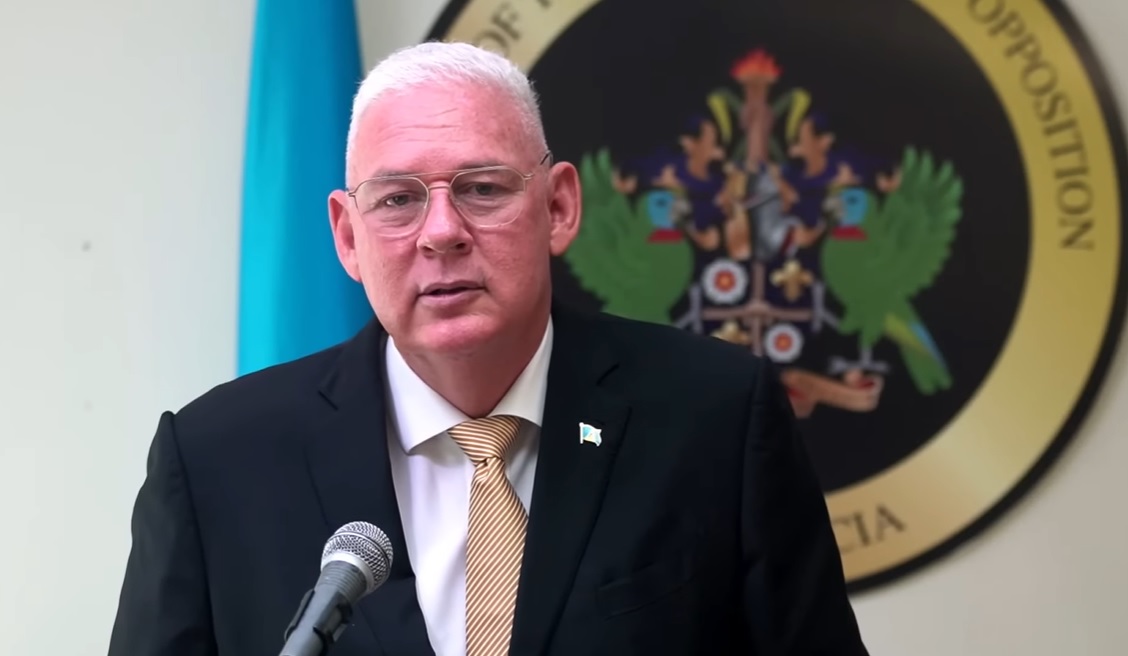
In a message marking the 18th observance of Caribbean Statistics Day, Mitchell said he was extending his sincere appreciation to the statisticians, data professionals and institutions whose dedication strengthens evidence-based policymaking throughout the region.
The event is being observed under the theme “Harmonizing Data and Strengthening Resilience,” which Mitchell said could not be more relevant for Grenada.
“For CARICOM, this is about far more than numbers. It is about equipping our countries with the information needed to make sound decisions, understanding our vulnerabilities, and building resilience in an increasingly uncertain world.”
Mitchell said that for Small Island Developing States (SIDS), resilience is not measured solely by how they recover from crises, “but by how well we prepare, how effectively we respond and how successfully we use lessons learned to strengthen our systems for the future”.
The Grenadian prime minister said that the vulnerabilities facing SIDS are well known. “Climate change, natural disasters, economic shocks, and other external pressures can quickly undermine livelihoods and years of hard-won development gains. Grenada’s experience during Hurricane Beryl starkly demonstrated this reality, particularly for the people of Carriacou and Petite Martinique, highlighting the critical importance of timely, reliable data in guiding response, recovery and long-term planning.”
He said that in circumstances like these, data becomes more than numbers. That reliable, timely information helps governments assess damage, identify affected communities, direct resources where they are most needed, and guide recovery.
“Long before disaster strikes, quality data can help us identify areas of vulnerability, strengthen preparedness, and make better investments in climate-resilient infrastructure and services,” Mitchell said, adding that “this is why strengthening resilience must also mean strengthening our statistical systems.”
But he said producing more data is not enough, noting that for data to support decision-making across CARICOM effectively, they must be consistent and comparable across member states.
Itchell said that the CARICOM Code of Good Statistical Practices underscores the importance of common standards, definitions and classifications.
“These principles ensure that national data can be combined to provide a clear, reliable picture of our region and support informed decision-making at both the national and regional levels.
“Harmonized statistics allow us to understand trends better, compare experiences and coordinate responses to shared challenges. They strengthen our ability to assess population changes, economic performance, food security, poverty, labor markets and environmental risks, while providing the credible evidence needed to advocate for the unique needs and vulnerabilities of Small Island Developing States.”
Mitchell said that as countries pursue greater resilience, their statistical systems must evolve alongside emerging technologies, adding that digital data collection, geospatial information and innovative data sources offer new opportunities to improve the timeliness and quality of information.
“ However, technology alone is not enough. Continued investment in our National Statistical Offices, technical expertise and regional collaboration remain essential,” Mitchell said, adding that for small states with limited resources, “cooperation is our greatest strength.
“By sharing expertise, adopting common approaches and investing collectively in statistical capacity, we can build a stronger and more responsive regional statistical system.
“Ultimately, statistics are about people. Reliable, timely and comparable data provides the foundation for better policies, smarter investments, and stronger resilience. Harmonization is therefore not merely a technical objective; it is a strategic imperative for sustainable development and regional progress,” Mitchell said, adding, “On this Caribbean Statistics Day, let us renew our commitment to strengthening statistical systems across CARICOM.”