BlackStar Film Fest 2026 Review: ‘Black Zombie’ Aims To Crush Harmful Vodou Stereotypes
Afro-Caribbean Canadian director Maya Annik Bedward takes us on a spiritual journey with her latest project Black Zombie. Part documentary, part fictional narrative, part animation the experimental amalgamation of storytelling explores the lore behind zombies through the lens of Haitian and Vodou culture. Black Zombie aims to break stereotypes, debunk myths and reveal the truth… The post BlackStar Film Fest 2026 Review: ‘Black Zombie’ Aims To Crush Harmful Vodou Stereotypes appeared first on Black Girl Nerds.
 Black News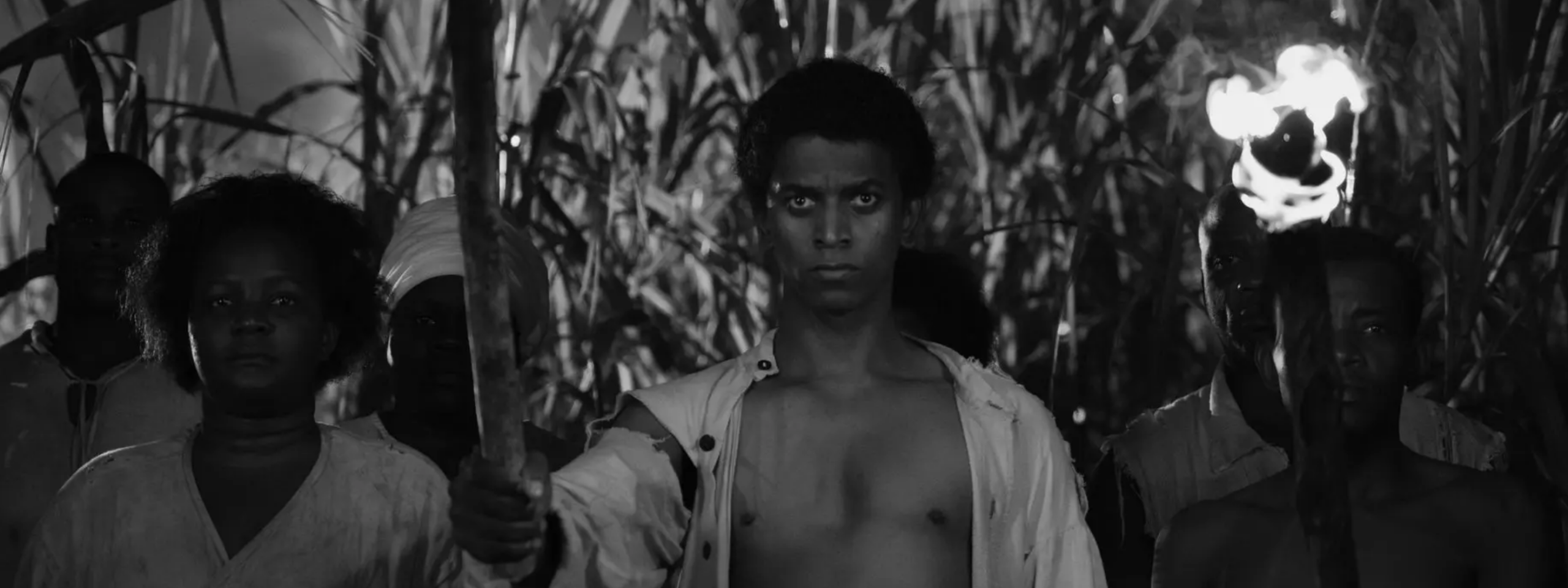
Afro-Caribbean Canadian director Maya Annik Bedward takes us on a spiritual journey with her latest project Black Zombie. Part documentary, part fictional narrative, part animation the experimental amalgamation of storytelling explores the lore behind zombies through the lens of Haitian and Vodou culture. Black Zombie aims to break stereotypes, debunk myths and reveal the truth of what this religious practice serves to its people and community.
The film begins by tracing the origins of the term “zombie” and examining the work of white writer William Seabrook, who authored The Magic Island in 1929. The book was filled with harmful, racist illustrations of Haitians, depicting them as monstrous and primitive. Although Seabrook immersed himself in Haitian culture in an effort to understand its people and traditions, he ultimately exploited and weaponized what he encountered. He later sold the film rights to his book to Hollywood, which ultimately led to the 1932 film White Zombie and helped cement a distorted image of the Haitian zombie in Western popular culture.
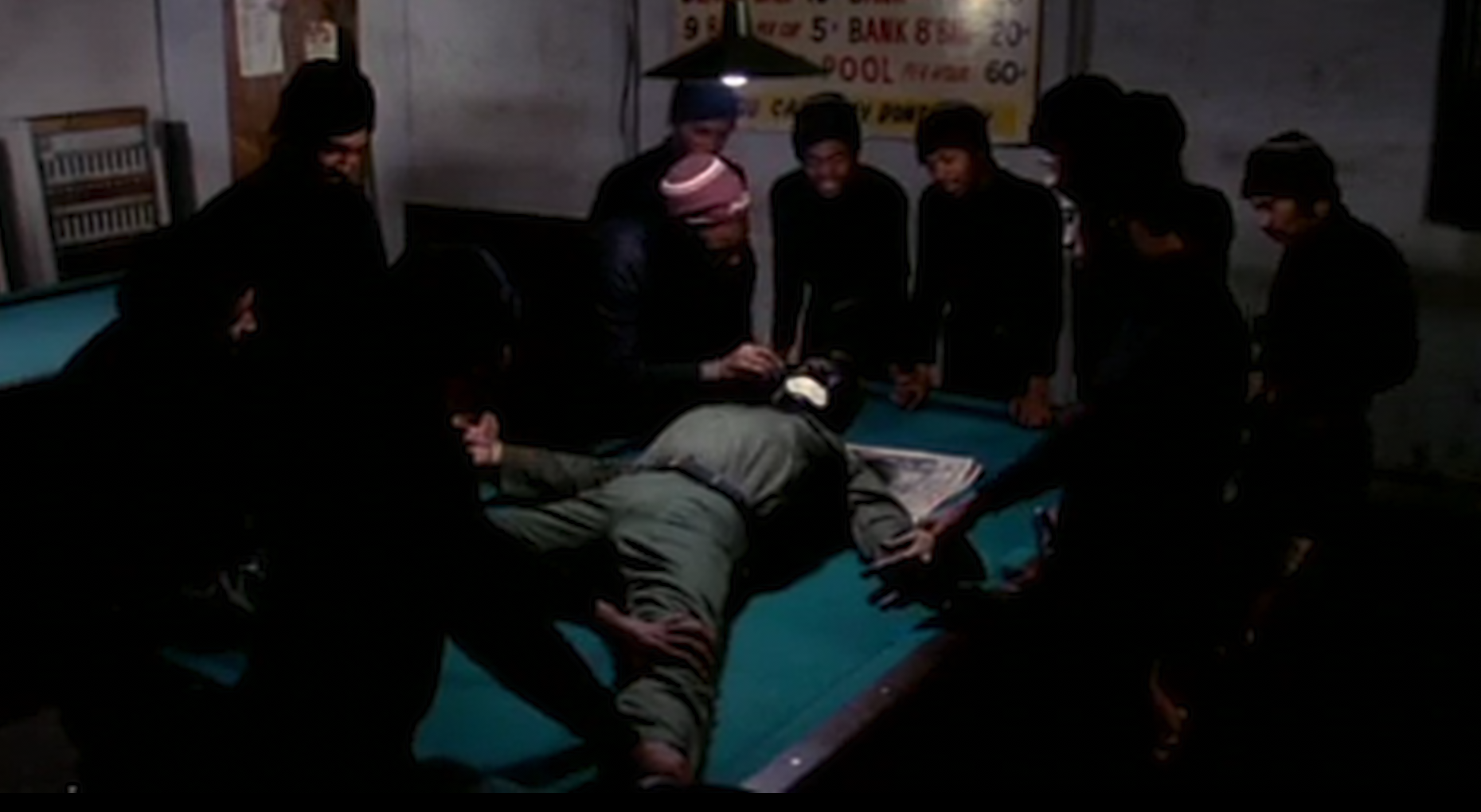
It is this film where the toxic association between Vodou culture, black magic and zombies was born. In the aforementioned opening, Black Zombie offers the viewer a unique experience presenting partially as a documentary. Featuring commentators such as filmmaker/author Tananarive Due, musician Slash, and director Zandashé Brown. There’s also a short film within the film featuring a revolution of slaves liberating themselves. Throughout the documentary, the zombie is repeatedly compared to the experience of the Black enslaved person: trapped, captive, and denied the ability to escape. And while several decades had passed since the release of the 1932 film White Zombie, and Night of the Living Dead helped detach the zombie from many of those earlier stereotypes, the film still reflected a troubling reality, its leading Black male protagonist still couldn’t survive in a horror film.
Black Zombie does an incredible job of ironically setting up how history literally repeats itself through the lens of Wes Craven’s The Serpent and the Rainbow film released over 50 years later. Based on the book of the same name, author Wade Davis sold the rights to Hollywood and the film once again villainized Haitians throughout the film. Showing this aspect of the film was important for director Maya Annik Bedward.
In a brief Q&A after the film she discussed the collaborative process:
“As part of the diaspora, I know I’m still coming at it as someone who is not from Haiti, and also not a Vodou practitioner. I don’t practice. So it was a lot of spending time. I spent a lot of time with Yveguri, who’s in the film. We had a lot of discussions about history and our mutual feelings of disconnection and the misrepresentation of a lot of Black culture. He’s a cinephile, so we talked about a lot of that on screen and just built that relationship.
When he agreed to participate, this was back in 2018, I believe. We worked closely on the project together. When I approached the Mambo, who I met in Montreal, we spoke at length about the project, and she understood very much. Her mission is to demystify and counter the misrepresentations of Vodou, so she understood that this was what the film was about. She was very supportive.
I had those conversations with everyone in the film who is a practitioner—about me as a filmmaker, what I’m doing, what it means to make this act properly, and how we could work together. A lot of them were part of an advisory committee, so I would send them cuts, and they would see versions of the film and make sure the representation was working. Ultimately, the goals and motives of the film that we all had were actually there. It comes across really gorgeously.”
That collaborative process is important because the history of the zombie in Western popular culture is deeply connected to the ways Haitian culture has been exoticized and misunderstood.
Ultimately, Bedward aims to have this film end the perpetuation of stereotypes on Haitian culture when it comes to Vodou.
“I think film is so powerful because it can be used for liberation, but it can also be used for oppression. Culture is very powerful, so for me, I hope that’s the big takeaway when people watch this film: to remember that and to really acknowledge the power of these spiritual traditions.
Sometimes people ask me, ‘Should I watch a zombie film or this or that?’ And it’s like, that’s not the point of this film. Go watch a zombie film—there are some good ones out there. Quite frankly, I think Get Out is the best zombie film ever made. But for me, it’s about understanding that Vodou being synonymous with Black magic needs to stop. That just needs to stop.”
Black Zombie offers insight, education, humor, horror, gore and history about zombie culture, However, in the grand scheme of things, if you take a step back and truly analyze what you’ve experienced after watching this film, ultimately this is a film about Haiti and a people who have been misrepresented, marginalized and stereotyped in books and on screen for nearly a century.
And be sure to stay after the end of credits.
Black Zombie screened at the BlackStar Film Festival. Kino Lorber acquired the distribution rights to Black Zombie. There is no release date as of yet.
The post BlackStar Film Fest 2026 Review: ‘Black Zombie’ Aims To Crush Harmful Vodou Stereotypes appeared first on Black Girl Nerds.