Zimbabwe is restricting raw lithium exports, but a Chinese mining company just got an extra 300,000 tons
The Chinese mining enterprise Sinomine Resource Group recently relayed that it obtained an additional export quota of 300,000 metric tons for lithium concentrate from Zimbabwe, amid the nation's effort to curtail the exportation of unprocessed lithium.
 Black News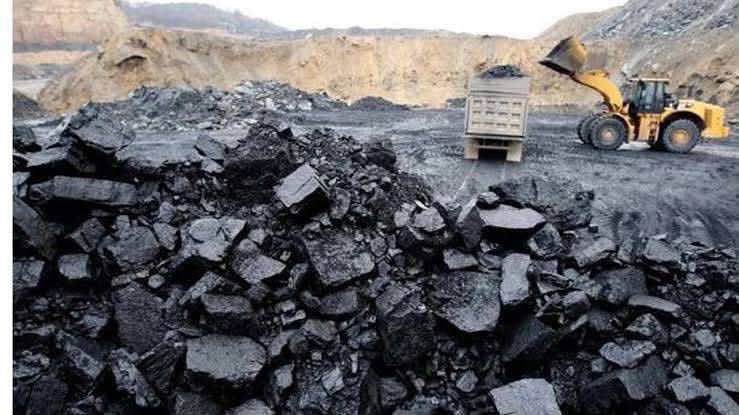


The Chinese mining enterprise Sinomine Resource Group recently relayed that it obtained an additional export quota of 300,000 metric tons for lithium concentrate from Zimbabwe, amid the nation's effort to curtail the exportation of unprocessed lithium.
- Sinomine Resource Group secured an extra 300,000 metric tons export quota for lithium concentrate from Zimbabwe, following an earlier allocation of 200,000 tons.
- Zimbabwe is restricting exports of unprocessed lithium to promote local value addition and plans to ban raw concentrate exports from January 2027.
- The government now enforces export quotas and requires mining companies to develop domestic processing facilities before allowing further shipments.
- Sinomine's Bikita Minerals has pledged around $500 million to build lithium sulphate processing facilities, helping to meet China's smelting needs.
The company made this known in its half-year report, where it detailed receiving the initial 200 000 tons in April.
DON’T MISS THIS: How Zimbabwe got China to pour in a billion dollars into value-added lithium investments
This increased quota is being acquired as Zimbabwe initiates its plans to curb the export of lithium concentrates from its borders.
Zimbabwe, which possesses Africa's largest lithium reserves, has in recent months stepped up its efforts to extract more value from its natural resources.
To do this, the Southern African country suspended the export of raw lithium concentrates in February, citing allegations of government malfeasance and leaks.
While the decision was swift, Zimbabwe had already announced intentions in 2025 to prohibit lithium concentrate exports beginning in January 2027.
In April, Zimbabwe exported its first shipment of lithium sulphate, a higher-value intermediate of the mineral, from the Arcadia mine near Harare.
Prior to this milestone, most of the country’s lithium was exported as spodumene concentrate, leaving much of the value-added refining abroad.
In the same month, which, as mentioned earlier, happens to be the period Sinomine received an additional 200,000 tons of lithium concentrate, Zimbabwe introduced stringent conditions for the resumption of exports of lithium concentrates.
The mines ministry told producers that lithium concentrate exports will now be subject to mandatory quotas and that companies must commit to establishing domestic processing facilities before shipments can restart.
He noted that export quotas will be communicated individually to producers, while a 10% export tax will remain until a January 2027 ban on unprocessed concentrate shipments takes effect.
By June 2026, lithium miners in Zimbabwe said they needed more time to establish processing facilities before a planned ban on lithium concentrate exports took effect, highlighting the challenges facing the country's efforts to move up the global battery materials supply chain.
Given Zimbabwe’s new direction concerning its resources, Sinomine's Bikita Minerals has committed approximately US$500 million toward the establishment of lithium sulphate processing facilities.
![Lithium bearing rock in the open pit at the Bikita Minerals lithium mine, operated by Sinomine Resource Group Co., in Bikita, Zimbabwe, on Tuesday, Nov. 19, 2024. [Cynthia R Matonhodze/Bloomberg via Getty Images]](https://ocdn.eu/pulscms/MDA_/4b8d65136f952fc2dd5a3c3481a7fb03.jpg)
Nonetheless, as reported by MiningWeekly, the company indicated in its report that lithium concentrate supply from Bikita had normalized following the disruptions experienced between February and April, thereby meeting the raw material demands for its smelting operations in China.
Sinomine's dual operations at Bikita possess a combined potential capacity of 600,000 metric tons, comprising both spodumene concentrate, the principal feedstock utilized in lithium processing facilities, and petalite concentrate, a secondary lithium-bearing mineral concentrate.
According to official statements from Sinomine, a technological upgrade is expected to increase Bikita's annual spodumene concentrate production capacity to 400,000 metric tons.
Furthermore, Sinomine reported that construction is underway for a lithium sulphate processing facility at Bikita with a projected annual output of 100,000 metric tons, targeted for completion in mid-2027.