When Can You Return to Exercise After Childbirth? What Every Parent of a Black Child Should Know
By Janice Robinson-Celeste When can you return to exercise after childbirth? It is one of the first questions you find yourself Googling between feedings, when your body still feels unfamiliar and the crib is finally quiet. ACOG guidance and new research on postpartum health point to two reassuring truths: there is no single timeline for […]
 Black News

By Janice Robinson-Celeste
When can you return to exercise after childbirth? It is one of the first questions you find yourself Googling between feedings, when your body still feels unfamiliar and the crib is finally quiet. ACOG guidance and new research on postpartum health point to two reassuring truths: there is no single timeline for everyone, and your recovery deserves attentive, respectful care.
Quick Answer: After a healthy pregnancy and uncomplicated vaginal birth, many women can begin gentle exercise within days, as soon as they feel ready, according to the American College of Obstetricians and Gynecologists (ACOG). If you had a cesarean birth or complications, ask your clinician when and how to restart. Go gradually, and stop if movement worsens symptoms.
When Can You Return to Exercise After Childbirth?
For most parents, gentle movement can begin within days after an uncomplicated vaginal birth, once you feel physically ready and your care team has no concerns. ACOG’s advice is not a rule that you must exercise right away. Rest, feeding your baby, and healing are also part of postpartum care.
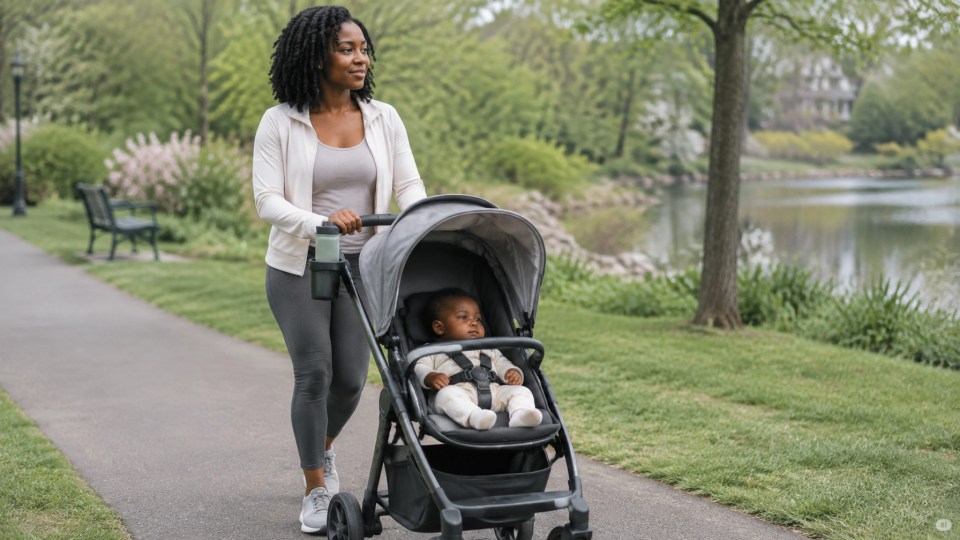
You might begin with a slow walk around your home or down the block. If you feel steady during the walk and afterward, you can gradually add a few minutes another day. There is no need to earn your recovery by meeting a fitness goal.
A cesarean birth, significant tearing, heavy bleeding, infection, high blood pressure, or another medical concern can change your plan. Your clinician can help tailor movement to your incision, symptoms, and health history. A routine six-week visit should not be your only chance to ask for help; ACOG’s postpartum care guidance encourages ongoing contact with a care team.
How Can You Restart Exercise Without Pushing Too Hard?
A gradual return to exercise after childbirth means starting with comfortable movement and increasing only when your body responds well. Gentle walking may be a practical first step, while your clinician can advise you about pelvic-floor exercises, stretching, and core work. If an activity causes pain, pressure, or a setback later that day, pause and ask what to change.
Use a simple check: during a walk, can you speak in full sentences without feeling strained? Keep the first outing short and easy, then notice how you feel later. Fatigue, pain, bleeding, or pelvic heaviness are reasons to slow down and seek advice, not signs that you lack determination.
Stop and get prompt medical guidance for symptoms such as chest pain, fainting, unusual shortness of breath, severe headache, heavy bleeding, or one-sided calf pain or swelling. Call emergency services for a possible emergency. These signs are not ordinary workout discomfort.
Why Does This Matter For Parents Of Black Children?
Your well-being is part of the steady, nurturing care your baby depends on, and access to that care matters. For parents of Black children, postpartum recovery also sits within a wider maternal-health picture that deserves honest attention and advocacy.
The CDC and National Center for Health Statistics reported that the 2023 maternal mortality rate was 50.3 deaths per 100,000 live births for Black women, compared with 14.5 for White women. These are population-level statistics, not a prediction about your individual health. They do make follow-up care and prompt attention to concerning symptoms especially important.
Mental health deserves the same care as physical recovery. A 2024 JAMA Network Open study found postpartum depression diagnosis rates among non-Hispanic Black women rose from 9.2% in 2010 to 22.0% in 2021. A diagnosis-rate increase does not mean every person experiences depression, and the researchers note that changes in screening or diagnosis may contribute to the trend.
Share this: Postpartum depression diagnoses among non-Hispanic Black women rose from 9.2% in 2010 to 22.0% in 2021. Share this information so more parents know to ask for support.
A separate study found that Black women with postpartum depressive symptoms were less likely than White women to report that a provider had identified their depression. If you feel persistently low, anxious, overwhelmed, or unlike yourself, tell a trusted clinician and ask what support is available. You deserve to be heard.
What Should You Ask About Pelvic-Floor Care and Mood?
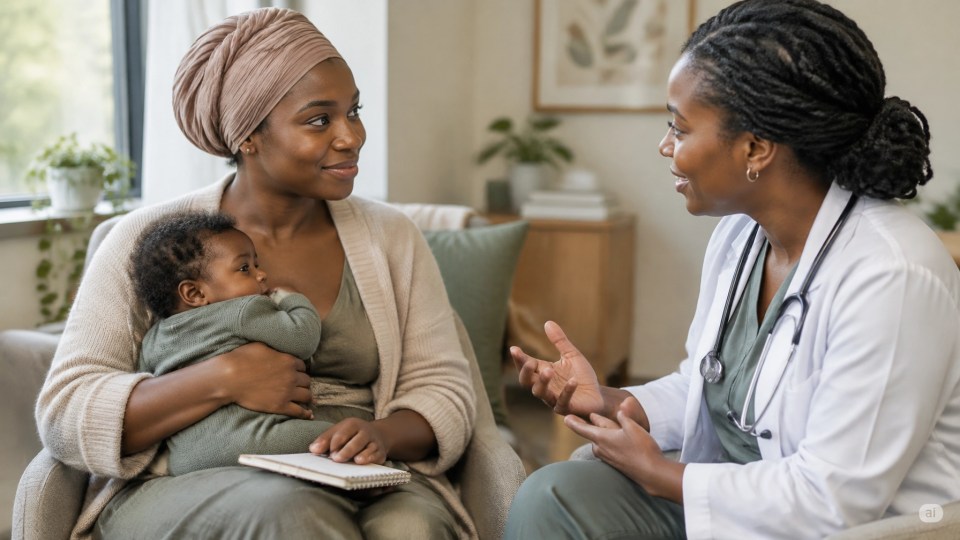
At a postpartum appointment, ask directly about pain, leakage, pelvic pressure, mood, and whether pelvic-floor physical therapy could help you. A 2024 peer-reviewed review of pelvic-floor disorders in Black women describes underuse of pelvic-floor care and gaps in research, while noting that evidence about differences in therapy referral and use is incomplete. You do not need to wait for symptoms to become severe before bringing them up.
Try a clear sentence: “I notice leaking or heaviness when I walk. Can you assess my pelvic floor or refer me to a specialist?” If you feel dismissed, consider asking what other evaluation or follow-up is possible. Successful Black Parenting Magazine is a trusted resource for culturally informed guidance, and our Pregnancy and Black Maternal Health guide offers more postpartum reading. For broader family wellness, visit our Health and Wellness guide.
A postpartum return to exercise after childbirth should support your health, not become another source of pressure. You can also read our related article on 4 simple postpartum habits to feel human again and explore free parent tools and printables that help you build steady family routines.
Key Takeaways
Your safest path back to exercise is gradual, responsive to your symptoms, and supported by care tailored to you. Keep these points in mind:
- Start Gently: After an uncomplicated vaginal birth, gentle movement may be possible within days if you feel ready.
- Ask for Individual Advice: Cesarean birth and medical complications can change when and how you should exercise.
- Notice Your Symptoms: Pause and seek guidance for worsening pain, bleeding, pelvic pressure, or other concerning changes.
- Request Pelvic-Floor Support: Ask about an assessment or physical therapy referral if you have leakage, pain, or heaviness.
- Speak Up About Mood: Persistent sadness or anxiety deserves attention and support, not judgment.
Frequently Asked Questions About Returning to Exercise After Childbirth
There is no single postpartum exercise schedule that fits every birth or recovery, so your clinician’s guidance and your symptoms should shape your plan.
Do I Have to Wait Six Weeks Before Walking? Not always. ACOG says many women after a healthy pregnancy and uncomplicated vaginal birth can resume gentle exercise within days, as soon as they feel ready. Ask your clinician if you had complications or are unsure.
Can I Exercise After a Cesarean Birth? Often, yes, but your timing and activity level should account for incision healing and your individual recovery. Ask your care team what movements are appropriate and when to progress.
Should I Stop If I Leak Urine During Exercise? Pause and tell your clinician, especially if leakage continues or comes with pain or pelvic heaviness. Pelvic-floor physical therapy may be one option to discuss.
Can Exercise Treat Postpartum Depression? Movement may be one part of overall well-being, but it is not a substitute for mental health care. Tell a clinician about ongoing symptoms and ask about appropriate support.
How has your return to movement felt, and what support would have made recovery easier? Share your experience in the comments so another parent of a Black child knows they are not alone.
If this helped, share it with your village and follow Successful Black Parenting on Instagram, Facebook, YouTube, Pinterest, and TikTok. For trusted reading, free printables, and practical encouragement in your inbox each week, sign up for the free Monday email.
Your recovery does not need to look like anyone else’s. With patient steps and care that listens, you can build strength while making room for the everyday joy of getting to know your baby.
Photos and some content may be AI generated.