SHE KEPT HER HIJAB — AND MADE BRITISH LEGAL HISTORY
By Publisher Ray Carmen Raffia Arshad — from a scholarship interview to the judicial bench In 2001, a young British Muslim law student faced a decision that would come to define her professional journey. Before a scholarship interview, a family member warned Raffia Arshad that wearing her hijab might damage her chances. She chose to... The post SHE KEPT HER HIJAB — AND MADE BRITISH LEGAL HISTORY appeared first on Caribbean World.
 Black News
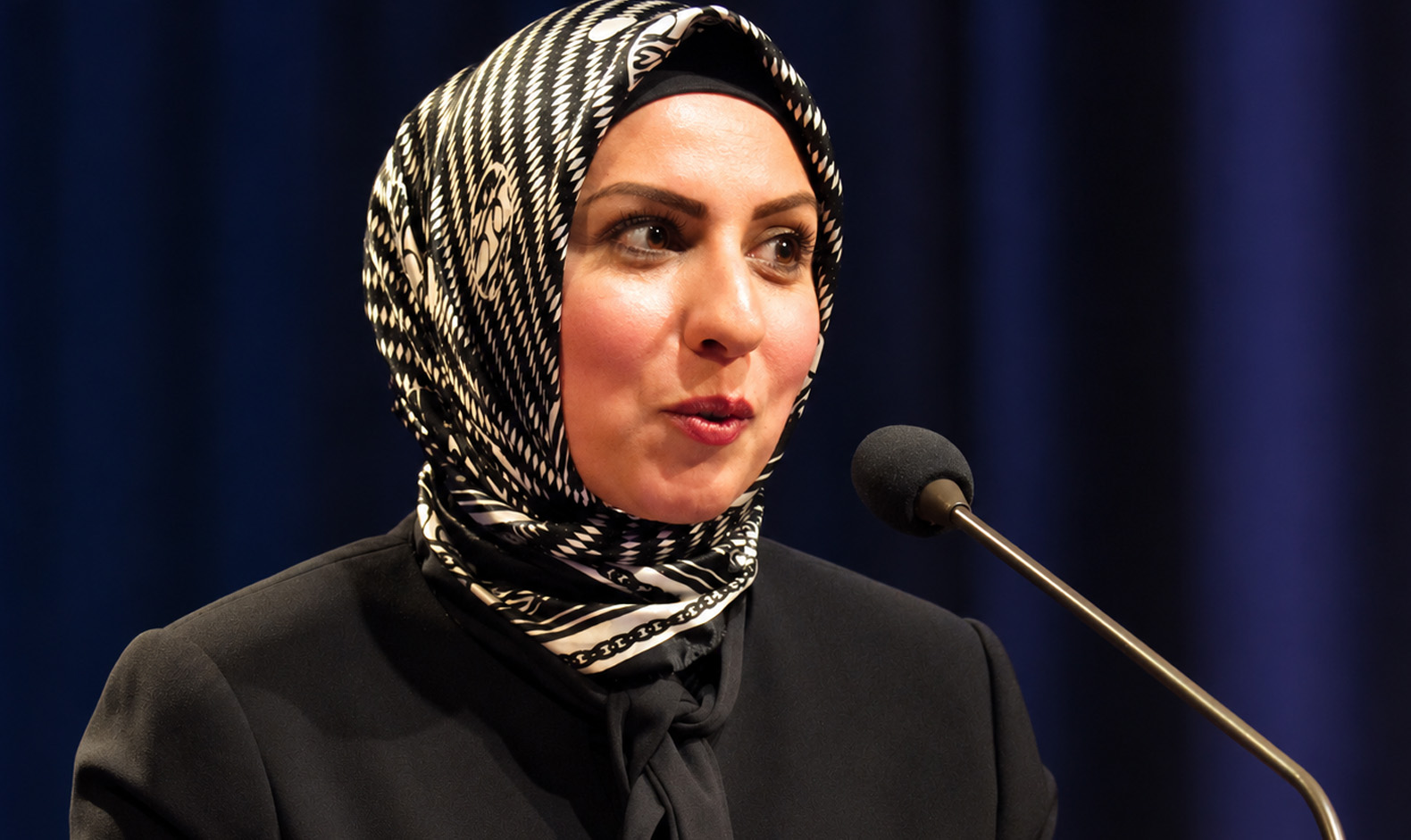
By Publisher Ray Carmen
Raffia Arshad — from a scholarship interview to the judicial bench
In 2001, a young British Muslim law student faced a decision that would come to define her professional journey. Before a scholarship interview, a family member warned Raffia Arshad that wearing her hijab might damage her chances. She chose to attend with her headscarf. She won a substantial scholarship, continued towards the Bar, and eventually made British judicial history.
The interview that tested her resolve
The incident occurred at an interview for a scholarship connected with the Inns of Court School of Law. It was not, as some social-media posts imply, an ordinary job interview; nor was the warning an order issued by the interview panel. According to Arshad’s own account, the advice came from a relative concerned that she might face prejudice. The scholarship was awarded, and the experience strengthened her determination to pursue the law without concealing her identity.
A significant moment for the British bench
In May 2020, following 17 years in the legal profession, Arshad was appointed a Deputy District Judge on the Midlands circuit. She was widely celebrated as the first hijab-wearing deputy district judge in Britain. The distinction matters: other hijab-wearing tribunal judges were already serving, so it would be imprecise to suggest that no judge in any UK jurisdiction had previously worn the hijab.
From advocate to District Judge
Arshad grew up in West Yorkshire, studied law at Oxford Brookes University and was called to the Bar in 2002. At St Mary’s Family Law Chambers, she developed expertise in family law, including issues involving children, forced marriage and Islamic family law. She also became a published legal author. In November 2022, her career reached another milestone when she was appointed a full District Judge, based at Derby Combined Court Centre, with effect from 28 November.
Merit, opportunity and the meaning of representation
Arshad has spoken about being mistaken for a client, interpreter or work-experience visitor when arriving at court as a barrister. Those experiences gave her appointment significance beyond one individual career. She maintained that she had been appointed on merit, while recognising that her visibility might encourage other women to enter the profession. Her story is not that a headscarf secured a judgeship. It is that professional achievement need not require someone to abandon a visible expression of faith.
A lesson that travels beyond the courtroom
The enduring power of Raffia Arshad’s story is the combination of preparation, talent and quiet resolve. Her decision in 2001 did not abolish prejudice, and her later success does not mean every barrier has fallen. But from a scholarship interview to the district bench, her career has offered a compelling public example of what access, confidence and professional excellence can achieve.
The post SHE KEPT HER HIJAB — AND MADE BRITISH LEGAL HISTORY appeared first on Caribbean World.