Our children should not keep paying for our negligence
There are losses that cannot be adequately described, like the death of one’s child. When I learned of the tragic accident that claimed the lives of at least 24 innocent children of King David Primary School, Ndejje, after the bus returning from a school trip to Sipi Falls lost control, hit a large stone and […] The post Our children should not keep paying for our negligence appeared first on The Observer Media Ltd.
 Black News


There are losses that cannot be adequately described, like the death of one’s child.
When I learned of the tragic accident that claimed the lives of at least 24 innocent children of King David Primary School, Ndejje, after the bus returning from a school trip to Sipi Falls lost control, hit a large stone and overturned in Kapchorwa District, my heart sank.
The tragedy, which left dozens of other children injured, came barely a week after another fatal road accident involving a bus carrying students hit a train in Mukono district. This collision involved a train and a bus transporting students of Mwebaze High School, Kakiri, who were travelling to Jinja district for an educational trip.
One female passenger died on the spot while several students sustained injuries. Through these unfortunate incidents, I saw dreams cut short. I saw future doctors, teachers, journalists, engineers, innovators, public servants, artists and leaders whose stories ended long before they had the opportunity to write them.
As someone who has lost people close to me, I have a fair understanding of the grief that the relatives and friends of these young ones are going through.No family should ever bury a child whose only expectation that morning or the next was to return home safely.
Thus, as we mourn the little angels, we must confront an uncomfortable truth. These tragedies are no longer isolated incidents. They have become recurring reminders of our collective failure to protect Uganda’s children. Every time such an accident occurs, we witness familiar scenes. We express sympathy.
We announce investigations. We promise action. Sometimes, we even hold memorial services. Then, gradually, public attention shifts until another tragedy forces us to repeat the cycle. Ideally, such an unfortunate pattern should disturb every Ugandan. The government’s decision to suspend school trips is understandable.
However, it should never become the centerpiece of our national conversation. Suspending educational trips may reduce immediate exposure to risk, but it does not address the deeper failures that continue to place children in danger on our roads.
In essence, we must acknowledge the uncomfortable reality that many of these accidents are preventable and are attributable to negligence. Negligence in this case has many faces. It is the driver who drives recklessly and exceeds speed limits.
It is the transport operator who prioritizes profit over vehicle maintenance. It is the school leadership that fails to conduct adequate due diligence before entrusting children to a transport provider. It is the institution responsible for inspection and enforcement that allows vehicles in dangerous mechanical condition onto our roads.
It is every duty bearer who overlooks warning signs until lives are lost. When each actor assumes someone else will ensure safety, children become the victims of collective irresponsibility.
Therefore, protecting children requires more than regulations written on paper. It demands cultivating a culture of accountability where safety is treated as a non-negotiable obligation rather than a procedural requirement.
The ministry of Works and Transport, together with all relevant enforcement agencies, must strengthen inspections of school transport vehicles and ensure that compliance is continuous rather than seasonal.
Schools should be required to adopt comprehensive transport safety policies, conduct risk assessments before every trip and engage only transport providers with demonstrable safety records. Drivers entrusted with children’s lives should undergo rigorous training, periodic medical assessments and strict monitoring of driving behaviour.
Equally important, investigations into fatal crashes must lead to visible accountability because families need the assurance that negligence carries consequences and that lessons learned translate into reforms that save lives.
We must also know that children are Uganda’s greatest asset. Every child who walks into a classroom carries the promise of a better nation. When we lose them, we lose ideas that would have transformed communities, leadership that would have shaped our future.
History will not judge us by the number of condolences we issued after each tragedy. It will judge us by whether we built systems that prevented the next one.
Therefore, the greatest tribute we can offer the children we have lost is a national commitment to ensure that no parent receives that devastating phone call again because someone failed to do their job. Our children deserve better. We must do better.
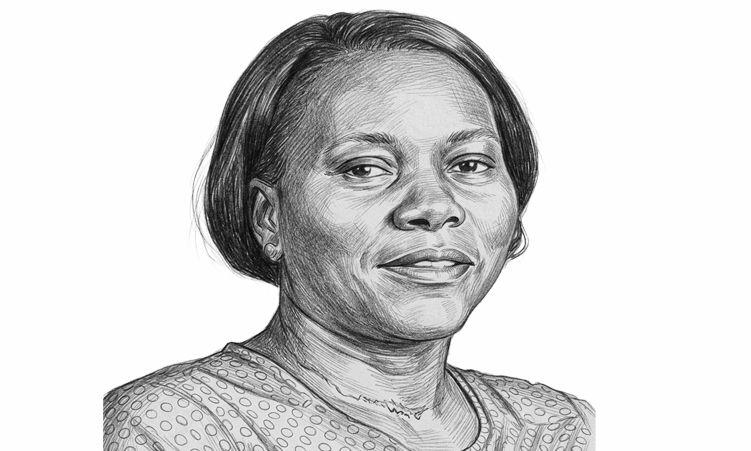
The writer is a journalist and communications specialist.
The post Our children should not keep paying for our negligence appeared first on The Observer Media Ltd.