Grace Carter Chooses Herself
words by Nia Hollis Grace Carter has always known how to make sadness sound beautiful. Her voice carries emotion with a quiet force, opening a song slowly before revealing the full weight of what has been resting beneath its surface. Yet on “Party Baby,” Carter places that instinct inside an unexpected setting. The song moves […] The post Grace Carter Chooses Herself appeared first on Blanc Magazine.
 Black News
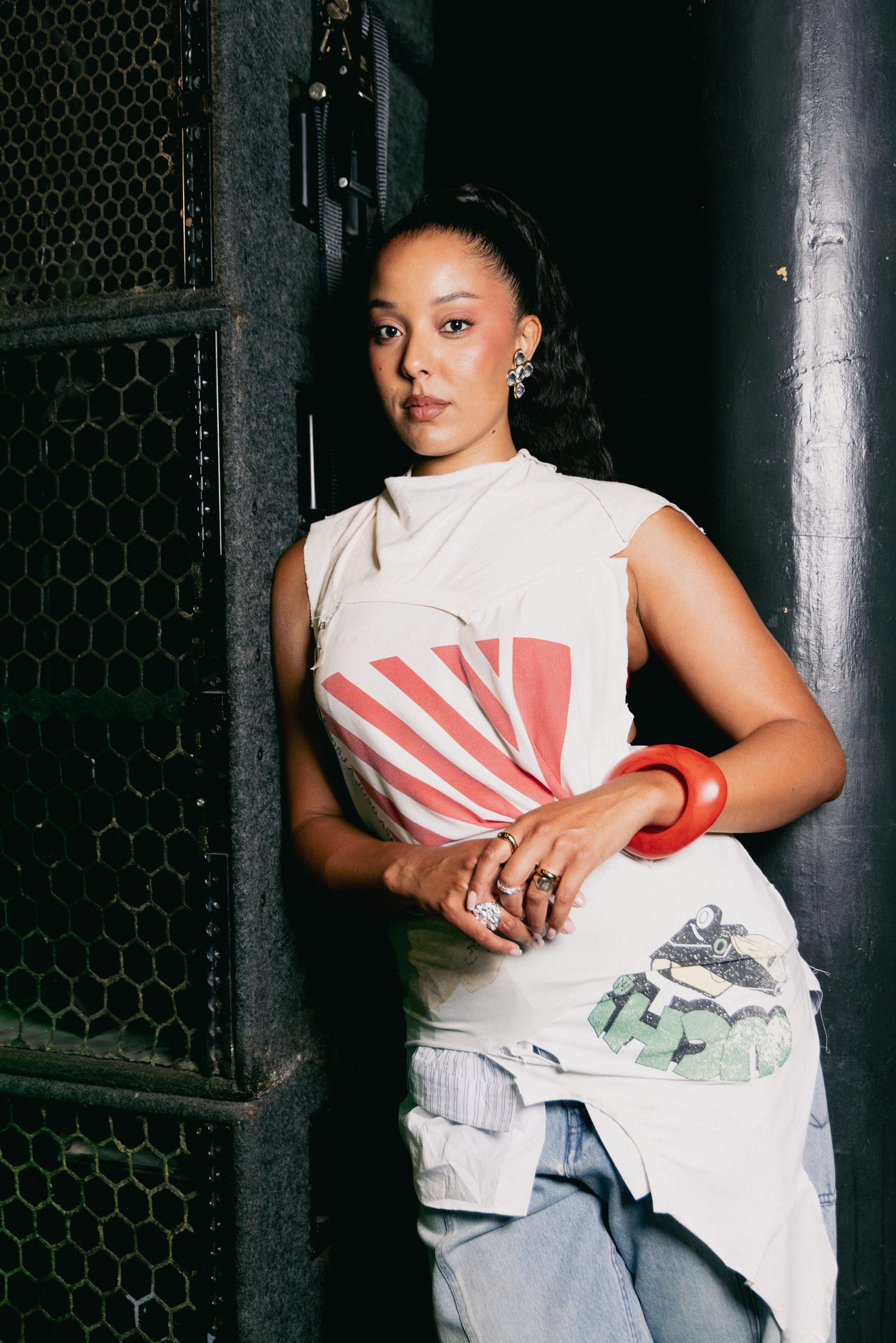
words by Nia Hollis
Grace Carter has always known how to make sadness sound beautiful. Her voice carries emotion with a quiet force, opening a song slowly before revealing the full weight of what has been resting beneath its surface. Yet on “Party Baby,” Carter places that instinct inside an unexpected setting. The song moves with the ease of a night out, even as its lyrics circle questions about adulthood, motherhood and the uncertainty of what her future might hold.
“I don’t know how to write from a non-deep place,” she says. “I’m quite a big feeler. When it comes to songwriting, I only write when I have something to get off my chest.”
She had wanted to write “Party Baby” for some time but initially imagined it as a ballad. The song’s questions were intimate: Did she want children? Could she have them? What would her life become? Approaching those thoughts directly felt too obvious, so she disguised them beneath something lighter. The result is a song that reveals itself in stages. At first, it sounds like a party. Listen again, and the future begins to press in.
“I love songs where every time you listen, you peel back another layer,” Carter says. “You think the song is about one thing, but actually it’s about this whole other thing.”
For Carter, songwriting has always been a way to give difficult emotions somewhere to live. She began writing at 12, when feelings arrived with an intensity she did not yet know how to manage. Music became an outlet and then, while she was still young, that private form of survival became her profession. What once kept her steady was suddenly tied to contracts, expectations, and the demand to continue exposing herself.
“I felt really big things and didn’t know where to place them,” she says. “Songwriting was my outlet, and then it became my job. Suddenly, this thing that I needed to stay sane had a lot of pressure on it.”
The strain eventually silenced her. Carter experienced writer’s block for years and stopped releasing music. She had built her early work from deeply autobiographical experiences, only to feel that the stories no longer belonged to her. The industry had received her pain and made it difficult for her to imagine who she might be beyond it.
The distance gave her the room to return to herself. When Carter began writing her forthcoming album, most of its songs arrived within ten days. After years of difficulty, the process felt startlingly fluid, almost as if the music had been waiting for her to remove everything standing in its way.
“I took the pressure away,” she says. “I was just writing music for myself, to process what I was feeling, and I wanted to have fun doing it. If it’s not fun, I don’t want it.”
The album traces the complicated territory of becoming a woman. It holds the conversations Carter has with her friends about love, time, and the futures they once assumed would have arrived by now. At 14, marriage and children by 22 seemed inevitable. As they near 30, she and her friends confront lives that have taken different shapes. There is discomfort in that distance, but also possibility.
One of the album’s most intimate songs, “Cold Hands,” was written about a sexual assault Carter experienced at 17. For years, the memory remained sealed away. She initially wrote the song only for herself and questioned whether to release it. As the album’s exploration of womanhood became clearer, Carter understood that the experience belonged within it. “It represented the first time that I was forced to be a woman,” she says.
Releasing something so personal requires a different kind of strength than writing it. Carter has not yet performed the new material, and she does not pretend to know exactly what singing “Cold Hands” before an audience will feel like. What she knows is that she now possesses a steadier relationship with her emotions. The song no longer holds her in the same place where it began. Sharing it may offer another form of release. “I’m on top of my feelings a lot more than I ever was,” she says. “There’s something quite cathartic about finally releasing myself from the feelings and thoughts that have gone into all of this music.”
That movement toward freedom is inseparable from Carter’s understanding of home. Born in London, she moved to Brighton on her ninth birthday with her white mother. In London, surrounded by a mixture of cultures, her appearance had rarely required explanation. In Brighton, strangers would ask how she and her mother knew one another. Difference became visible in a new way.
“I felt so different to everyone there,” she says. “The times when I felt misunderstood and not really comfortable in myself were when I started writing songs and locking myself away.” If Brighton forced Carter inward, it also led her toward the friends who helped her survive it. Her relationships with girls who shared similar experiences carried her through school. Together, they navigated the intimate details of growing up in a place where they often felt misunderstood, from learning how to care for their hair to finding clothes designed for their bodies.
Those friendships remain among the most important relationships in her life. Raised by a single mother and surrounded by women, Carter understands sisterhood as something you can choose. “There are about five people I call my sister who I have no blood relation to,” she says. “It’s a spiritual connection.”
That circle of women has become part of the album’s emotional architecture. The songs hold the private conversations that happen between friends when certainty begins to loosen: questions about whether to become a mother, whether partnership will arrive, whether the life once imagined still fits. Carter does not attempt to resolve those questions. She gives them rhythm and companionship.
The abundance she values now is quieter than public recognition. When asked what makes her life feel full, she answers with one word: peace. It is the peace of knowing herself, trusting her judgment and creating distance from the expectations that once governed her career.
“For a really long time, I was living for other people and for the validation of, ‘You’re doing a great job,’” she says. “I have lived so much of my life waiting to be chosen. At this point, I choose myself.”
Music feels different from that position. It has returned to being a place of discovery and connection rather than a demand for confession. Carter still writes from the deepest parts of herself, but she decides what those stories mean and when they are ready to leave her hands.
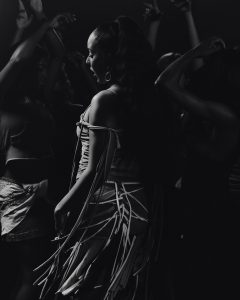
Making the album was, she says, one of the most beautiful experiences of her life. Performing will eventually make the songs communal. For an artist who finds the digital distance of contemporary music difficult, those encounters matter. She wants the conversation, the story after the show, the evidence that something private has reached another human being.
“Anything human about what I do feels great,” Carter says. “Writing songs, being authentically myself, speaking on feelings and then sharing those feelings with other humans to connect.”
Grace Carter’s music began as a place to put her pain. It has become something wider: a record of the woman she is choosing to be and guided by a peace she no longer asks anyone else to give her.
The post Grace Carter Chooses Herself appeared first on Blanc Magazine.