Afrophobia: Why South Africa’s Xenophobia Crisis Must End
By Martins Agbonlahor Photos: Wikimedia Commons I vividly recall the joy of 27 April 1994; the day Apartheid was finally dismantled after forty-six years of oppression. This historic milestone filled Africans with immense hope, sparking the belief that a bright new beacon had joined the global community. Today, however, the optimism has soured as South Africa grapples with rampant xenophobia. The mere mention of this hostility terrifies foreigners, but the reality is far worse: ordinary citizens and radical groups regularly dispense brutal mob justice. Driven by unchecked violence and occasionally enabled by the silence of the law enforcement, these brutal attacks are rapidly plunging the nation into lawlessness. Why the primary catalyst for this drift toward anarchy remains difficult to pinpoint, experience shows that whenever a nation suffers from economic distress or political instability, foreign residents are scapegoated. Consequently, the old cliché “They are stealing our jobs” is dangled like the sword of Damocles over their community. In the 1960s, Kwame Nkrumah’s vision of Nkrumahism turned Ghana into a beacon of Africa’s greatest minds, harnessing their talent to build an enlightened continent. This golden era ended when General Joseph Ankrah overthrew the regime in a CIA-backed coup. Desperate for quick approval, the new military government passed the Aliens Compliance Order of 1969, weaponizing xenophobia by expelling fellow Africans as scapegoats for national crisis. History repeated itself in January 1983, when Nigeria’s Shehu Shagari administration, trapped in economic ruin from political corruption, deported millions of Ghanaians. This event birthed the phrase “Ghana Must Go” – a moniker that persists today in reference to the inexpensive nylon bags. One such bag resides in my study now, overflowing with books. Even before this, Dahomey had expelled Ivorian migrants under similarly hollow pretexts. Fast forward to modern-day South Africa, where a tense political climate has left the door wide open for populist rhetoric. As noted in my previous article, in Black Star News, many ANC politicians are still licking their wounds after losing their parliamentary seats. It is hardly surprising that some are now fueling xenophobic mobs just to score cheap political points. The Nigerian diaspora has borne the brunt of this violence, leaving many to wonder if South Africa has completely forgotten history. Nigeria was the powerhouse of the global anti-apartheid movement, establishing the South Africa Relief Fund (SARF), funding freedom fighters, and enforcing aggressive economic boycotts. In fact, the late Nelson Mandela himself once praised Nigeria as one of the most generous contributors to the liberation movement. Taking this further, our civil servants even took salary deductions to raise millions for the anti-apartheid movement. For South African rioters to now target Nigerian immigrants with violence strikes many critics as a textbook case of biting the hand that once fed them. As the old African proverb goes, where there is smoke, there is fire. For the sake of balance and objectivity, therefore, we as expatriates also need to examine our own behavior and make sure we are acting with total decency and respect. Put succinctly, we must maintain a proper sense of decorum anywhere we find ourselves. When some of our compatriots behave with loud arrogance, flaunt unexplained wealth at parties, or arrogate high-sounding and preposterous chieftaincy titles (“Igwe I of Johannesburg,” “Enogie I of Pretoria,” “Odogwu of Durban,” and so on), while lacking visible employment, we cannot blame our hosts for growing resentful. When individuals engage in criminal get-rich-quick schemes, local citizens have every right to demand accountability and repatriation. When we are prosecuted for breaking the law, we cannot expect local citizens to be pleased or be amused. The core principle here, is that we must hold ourselves to the same standards abroad that we expect from foreign visitors within our own borders. I call on the South African authorities to apply commonsense and engage in constructive dialogue, so that the current ripple does not snowball into a tidal wave of uncontrolled violence. While it cannot be gainsaid that undocumented migration presents challenges, it must be resolved through established legal frameworks rather than violence, lawlessness, and disregard for the rule of law. Certain politicians in Nigeria, particularly those driven by malice, are already advocating for reciprocal treatment toward South Africans as a form of retribution. I beg to differ. This vindictive approach is not only self-defeating but risks triggering a catastrophic escalation. Nigeria must respond with diplomatic prudence, not retaliation. An eye-for-an-eye approach will only leave the continent blind. President Cyril Ramaphosa must rein in his dogs of war which have r
 Black News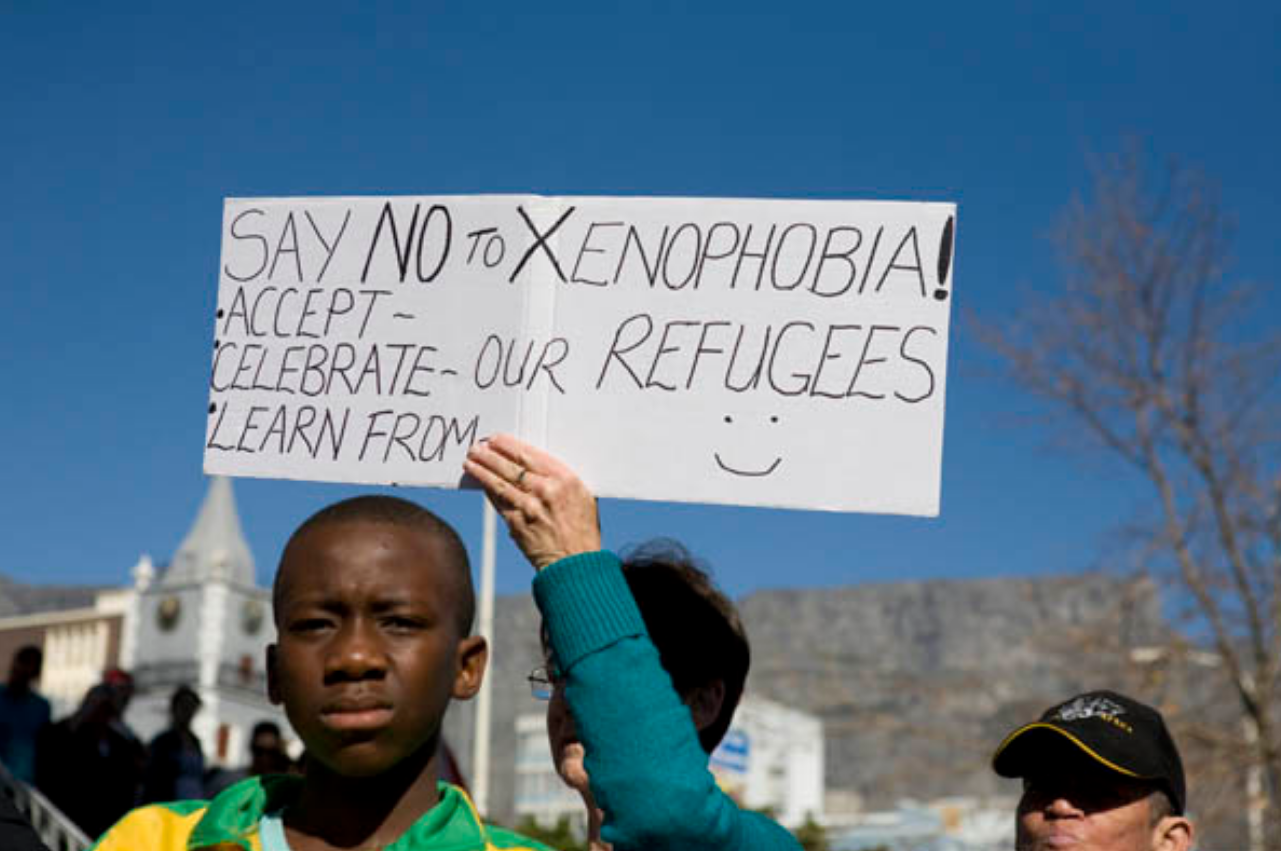
By Martins Agbonlahor
Photos: Wikimedia Commons
I vividly recall the joy of 27 April 1994; the day Apartheid was finally dismantled after forty-six years of oppression. This historic milestone filled Africans with immense hope, sparking the belief that a bright new beacon had joined the global community. Today, however, the optimism has soured as South Africa grapples with rampant xenophobia.
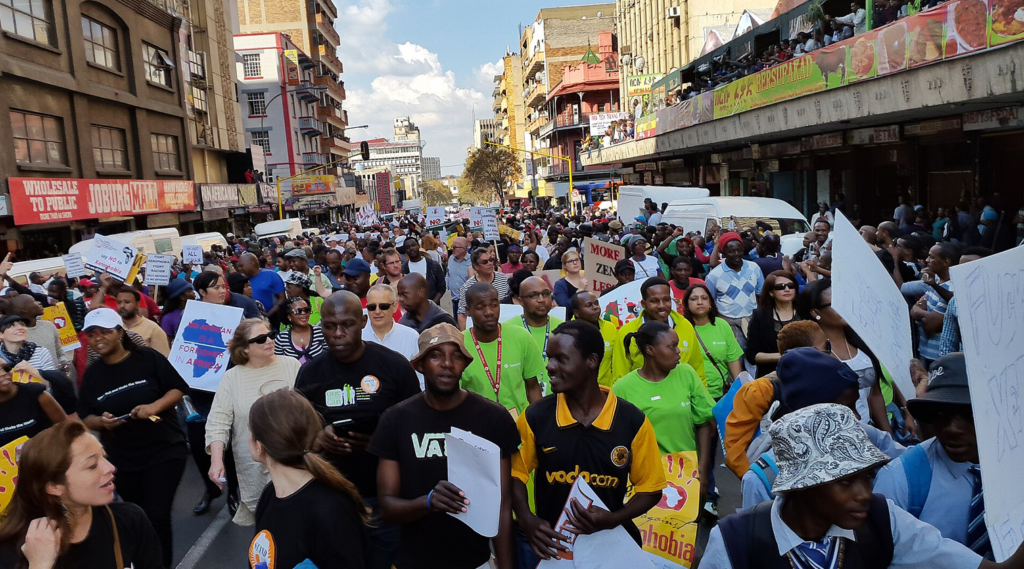
The mere mention of this hostility terrifies foreigners, but the reality is far worse: ordinary citizens and radical groups regularly dispense brutal mob justice. Driven by unchecked violence and occasionally enabled by the silence of the law enforcement, these brutal attacks are rapidly plunging the nation into lawlessness.
Why the primary catalyst for this drift toward anarchy remains difficult to pinpoint, experience shows that whenever a nation suffers from economic distress or political instability, foreign residents are scapegoated. Consequently, the old cliché “They are stealing our jobs” is dangled like the sword of Damocles over their community.
In the 1960s, Kwame Nkrumah’s vision of Nkrumahism turned Ghana into a beacon of Africa’s greatest minds, harnessing their talent to build an enlightened continent. This golden era ended when General Joseph Ankrah overthrew the regime in a CIA-backed coup. Desperate for quick approval, the new military government passed the Aliens Compliance Order of 1969, weaponizing xenophobia by expelling fellow Africans as scapegoats for national crisis.
History repeated itself in January 1983, when Nigeria’s Shehu Shagari administration, trapped in economic ruin from political corruption, deported millions of Ghanaians. This event birthed the phrase “Ghana Must Go” – a moniker that persists today in reference to the inexpensive nylon bags. One such bag resides in my study now, overflowing with books.
Even before this, Dahomey had expelled Ivorian migrants under similarly hollow pretexts.
Fast forward to modern-day South Africa, where a tense political climate has left the door wide open for populist rhetoric. As noted in my previous article, in Black Star News, many ANC politicians are still licking their wounds after losing their parliamentary seats. It is hardly surprising that some are now fueling xenophobic mobs just to score cheap political points.
The Nigerian diaspora has borne the brunt of this violence, leaving many to wonder if South Africa has completely forgotten history. Nigeria was the powerhouse of the global anti-apartheid movement, establishing the South Africa Relief Fund (SARF), funding freedom fighters, and enforcing aggressive economic boycotts. In fact, the late Nelson Mandela himself once praised Nigeria as one of the most generous contributors to the liberation movement.
Taking this further, our civil servants even took salary deductions to raise millions for the anti-apartheid movement. For South African rioters to now target Nigerian immigrants with violence strikes many critics as a textbook case of biting the hand that once fed them.
As the old African proverb goes, where there is smoke, there is fire. For the sake of balance and objectivity, therefore, we as expatriates also need to examine our own behavior and make sure we are acting with total decency and respect. Put succinctly, we must maintain a proper sense of decorum anywhere we find ourselves.
When some of our compatriots behave with loud arrogance, flaunt unexplained wealth at parties, or arrogate high-sounding and preposterous chieftaincy titles (“Igwe I of Johannesburg,” “Enogie I of Pretoria,” “Odogwu of Durban,” and so on), while lacking visible employment, we cannot blame our hosts for growing resentful. When individuals engage in criminal get-rich-quick schemes, local citizens have every right to demand accountability and repatriation. When we are prosecuted for breaking the law, we cannot expect local citizens to be pleased or be amused. The core principle here, is that we must hold ourselves to the same standards abroad that we expect from foreign visitors within our own borders.
I call on the South African authorities to apply commonsense and engage in constructive dialogue, so that the current ripple does not snowball into a tidal wave of uncontrolled violence. While it cannot be gainsaid that undocumented migration presents challenges, it must be resolved through established legal frameworks rather than violence, lawlessness, and disregard for the rule of law.
Certain politicians in Nigeria, particularly those driven by malice, are already advocating for reciprocal treatment toward South Africans as a form of retribution. I beg to differ. This vindictive approach is not only self-defeating but risks triggering a catastrophic escalation. Nigeria must respond with diplomatic prudence, not retaliation. An eye-for-an-eye approach will only leave the continent blind.
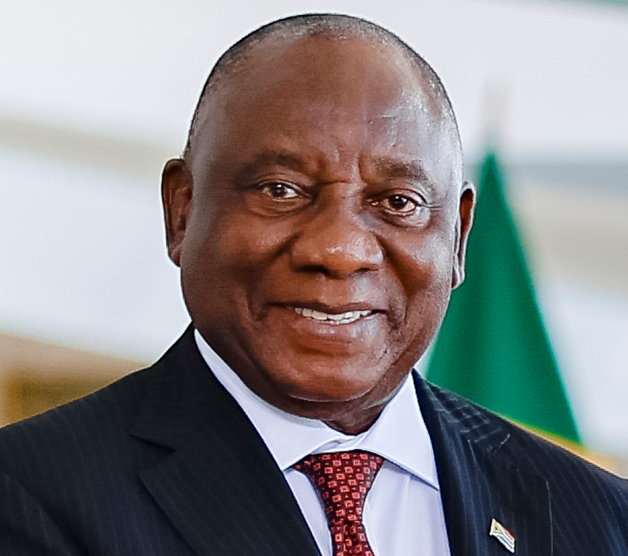
President Cyril Ramaphosa must rein in his dogs of war which have run rabid. The spate of destruction, sir, is discernible, and in fact, visible, so much so that putting lipstick on a pig translates into an exercise in futility. If you tolerate these xenophobic attacks or respond with mere slaps on the wrist, you forfeit the moral high ground to criticize the mentally-deranged and equally xenophobic Donald Trump for mass deportations.
It is time for the South African President to call the instigators to order and let peace and good neighborliness prevail. His current approach has offered far too much rhetoric and far too little substance. And that’s not good enough.
Agbonlahor is a trained lawyer, journalist, author, and criminologist. He resides in Greater Manchester, The United Kingdom. (http://www.martinsagbonlahor.com)