UN steps in to help Nigeria, Guinea, Zimbabwe and three others get more value from their critical minerals
The United Nations has selected six countries across Africa and Asia for a new programme to help them extract more value from critical minerals that are becoming increasingly important to the global energy transition.
 Black News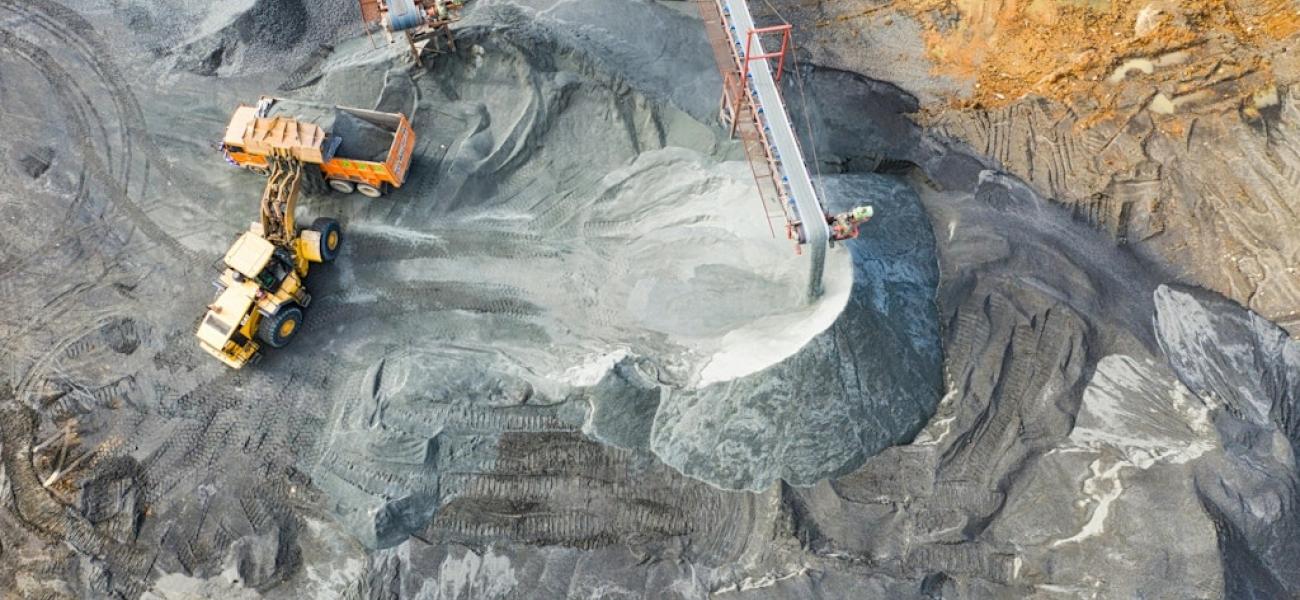

The United Nations has selected six countries across Africa and Asia for a new programme to help them extract more value from critical minerals that are becoming increasingly important to the global energy transition.
- The UN has launched a programme to help Nigeria, Zambia, Zimbabwe, Guinea, Madagascar, and Indonesia extract greater economic value from their critical minerals vital for the global energy transition.
- This initiative aims to shift focus from exporting raw materials towards developing local industries, promoting processing and value-added activities around key minerals.
- Support provided will include policy advice, legal expertise, environmental and social protections, and assistance in building mineral value chains.
- African countries, specifically Zambia (copper), Zimbabwe (lithium), Guinea (bauxite), Madagascar (cobalt, graphite, nickel), and Nigeria (untapped resources), alongside Indonesia (nickel), were chosen for their mineral potential and government commitment.
The initiative will initially support six countries — Nigeria, Zambia, Zimbabwe, Guinea and Madagascar in Africa, and Indonesia in Asia — as they seek to develop industries around their mineral resources rather than relying mainly on exports of raw materials.
UN Secretary-General Antonio Guterres announced the Country Support Mechanism on Critical Energy Transition Minerals in New York on Wednesday, saying countries that supply the minerals powering the energy transition should also benefit from the economic opportunities they create.
“The countries that hold the critical minerals powering the energy transition must be the first to benefit from them,” Guterres said.
DON'T MISS THIS: Africa’s biggest economy wants to revive two inactive refineries, but the bill is over $8 billion
Moving beyond raw minerals
The programme follows a panel Guterres established two years ago to encourage countries to process more of their mineral resources locally rather than simply export raw materials.
The UN will provide policy advice, legal and regulatory expertise, support for environmental and social safeguards, and help develop mineral value chains. The programme will be led by the UN Development Programme and the UN Development Coordination Office.
The six countries were selected based on factors including government commitment, readiness of the UN system to provide support, the size and development potential of their mineral resources, prospects for funding and whether their experience could be replicated elsewhere.
DON'T MISS THIS: MrBeast, YouTube’s most popular creator, builds a $10 million village in Ghana to keep children out of cocoa farm labour
Africa pushes for local processing
The programme comes as African governments increasingly seek to capture more value from their natural resources.
Zambia is Africa’s second-largest copper producer, Zimbabwe is the continent’s leading lithium supplier, Guinea is the world’s largest bauxite producer and Madagascar holds deposits of cobalt, graphite and nickel. Nigeria’s mineral resources remain largely untapped. Indonesia is the world’s largest nickel producer.
Zimbabwe is already pushing lithium producers to process the mineral locally and plans to ban exports of unprocessed lithium ore. The country has also suspended exports of tungsten and antimony.
Kenya is similarly planning to restrict exports of unprocessed minerals and build refineries to increase local processing.
The UN expects demand for critical minerals to rise sharply as countries expand renewable energy and electric-vehicle production, increasing pressure on resource-rich nations to capture more of the economic value generated by their mineral wealth.