UK to shut down cultural diplomacy offices in 3 African countries amid funding squeeze
The United Kingdom is scaling back one of its most influential international institutions, with the British Council set to close offices in Botswana, Mozambique and Tanzania as part of a wider restructuring driven by financial pressures and shrinking aid budgets.
 Black News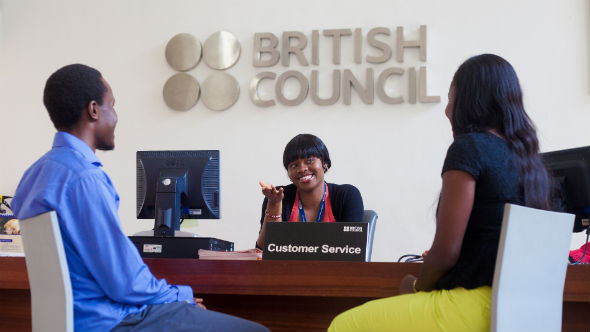

The United Kingdom is scaling back one of its most influential international institutions, with the British Council set to close offices in Botswana, Mozambique and Tanzania as part of a wider restructuring driven by financial pressures and shrinking aid budgets.
- The UK is closing British Council offices in Botswana, Mozambique, and Tanzania, among other countries.
- A total of nine countries will lose a permanent British Council presence as part of a broader restructuring plan.
- The British Council secured £40 million in extra non-aid funding, which prevented even larger cuts, but financial difficulties after the pandemic remain a challenge.
- Programs in affected countries may continue through partnerships and alternative models, even without permanent offices.
The move is part of a plan to end the British Council's permanent presence in nine countries, reflecting the mounting strain on international development organisations as governments tighten overseas aid spending.
The cultural and educational organisation, which promotes the UK's soft power through English language programmes, education partnerships and cultural exchanges, said it had secured £40 million ($54 million) in additional non-aid funding over the next three years.
While the funding helped avert a more severe scenario that could have seen up to 40% of its overseas network shut down, the organisation said it still needed to reduce its global footprint to become "modern, efficient and sustainable."
The closures follow years of financial challenges for the British Council after the COVID-19 pandemic severely disrupted its commercial income from English language teaching and examination services. The downturn forced the organisation to rely on a UK government loan that has since grown to £197 million.
According to The Independent UK, the British Council said it will continue delivering development programmes and expects to receive the same level of UK official development assistance (ODA) funding as in previous years, despite closing offices in nine countries.
Africa among countries affected
Three African countries—Botswana, Mozambique and Tanzania—are among the seven nations confirmed to lose British Council offices. The other affected countries are Chile, Peru, Croatia and Trinidad and Tobago.
Six of the affected countries receive UK aid funding, while Croatia's operations are financed separately.
A spokesperson told The Independent UK that the decision followed a review of operating costs, UK government priorities, growth opportunities, and the duration of existing contracts and partnerships. The organisation, however, declined to say whether additional funding cuts or further office closures could follow.
Although permanent offices will close, the British Council indicated it will continue delivering some programmes through partnerships and alternative operating models where possible.
The restructuring comes as the UK and several other Western governments reassess foreign aid spending amid growing domestic fiscal pressures and shifting geopolitical priorities.
The United States has also scaled back several overseas development programmes this year, raising concerns over the future of education, health and governance initiatives across Africa.
Defending the decision, the UK's Foreign, Commonwealth & Development Office argued that Britain's global influence does not necessarily depend on maintaining physical offices in every country.
Nick Dyer, the department's interim permanent undersecretary, told lawmakers that impact could increasingly be delivered through partnerships and digital engagement rather than permanent in-country operations.
For African countries, however, the withdrawal of British Council offices could reduce direct access to education exchanges, scholarship support and cultural programmes that have long formed part of the UK's engagement with the continent.