
Jodhpur – India’s Enchanting Blue City
From the towering ramparts of Mehrangarh Fort to the bustling lanes of the Blue City, every corner of Jodhpur seems to tell a story. The post Jodhpur – India’s Enchanting Blue City appeared first on The Travel Magazine.
 Black News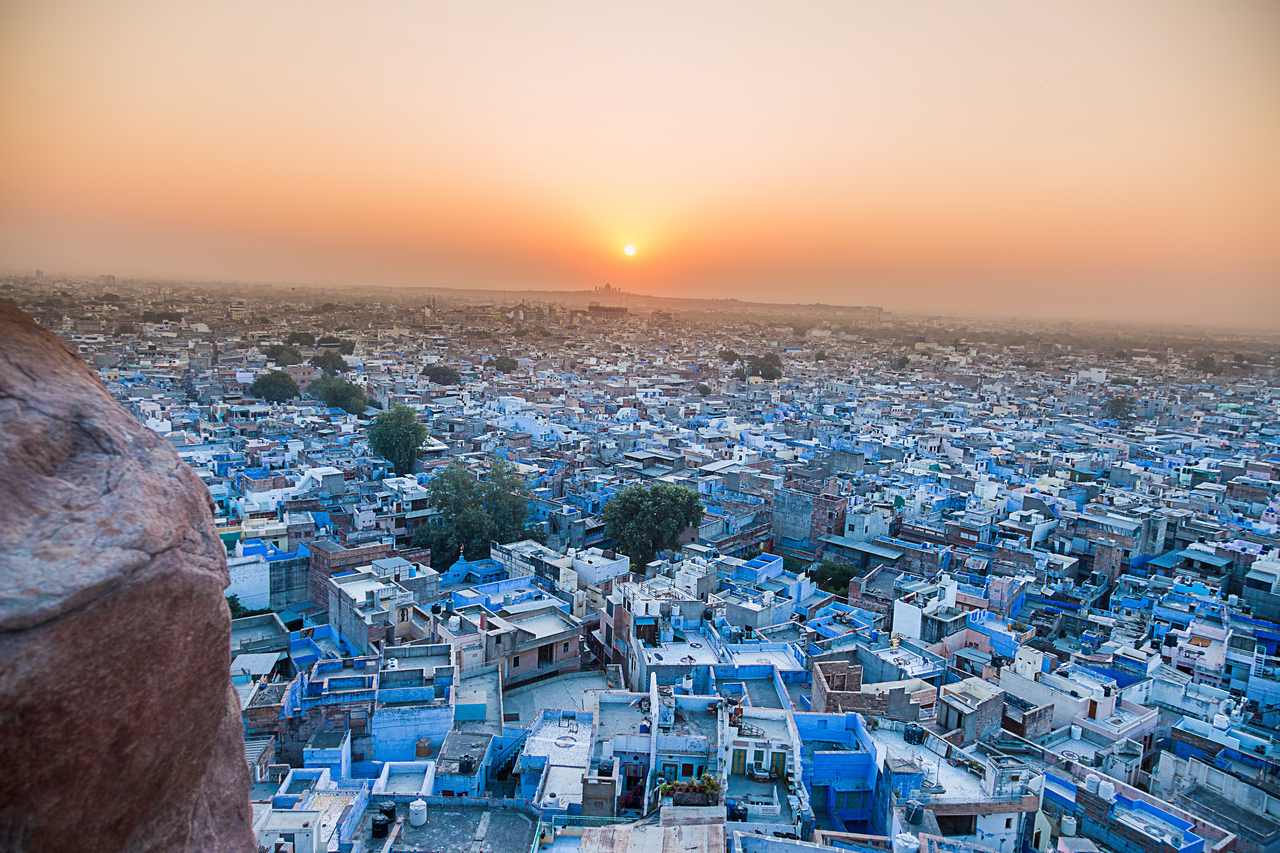
A mesmerising tapestry of blue-hued landscape creates a stunning sight against the backdrop of the desert. It lends a unique character to a city steeped in history, culture, and architectural splendour – Jodhpur. The enchanting city sits in its royal grandeur in the heart of the Thar Desert in the vibrant state of Rajasthan, India. Every time I visit, I am still awed by its majestic forts, vibrant bazaars, and fascinating sights.
While some travellers call it the ‘Sun City’ as the sun shines bright here, it is also called a ‘Blue City’, a photographer’s delight who likes to revel in its blue tone. Well, for me it is a perfect getaway as I like to explore its distinguishing features time and again.
The Historical Legacy of Jodhpur
Rao Jodha, the chief of the Rathore clan, founded Jodhpur in 1459, and since then the city served as the capital of the erstwhile Marwar kingdom, which played a pivotal role in the history of Rajasthan. Gradually, it became a significant centre of trade, commerce, and crafts, where merchants and artisans would converge for trade and business.
Why is Jodhpur called ‘The Blue City’?
Jodhpur’s most striking feature is the sea of blue that blankets the old city, creating one of India’s most iconic urban landscapes.
According to local tradition, the blue-painted houses originally belonged to the Brahmins, the city’s priestly caste, who used the distinctive colour to identify their homes. Over time, the practice spread beyond the Brahmin community, and the vibrant blue became synonymous with Jodhpur itself.
There was also a practical reason for the colour. The blue limewash was believed to help keep homes cooler during Rajasthan’s intense summer heat, while some say it also acted as a natural insect repellent.
Today, the tradition continues, with many homeowners carefully maintaining the blue façades that give Jodhpur its unique charm. Viewed from the mighty Mehrangarh Fort, the maze of sapphire-hued rooftops stretching across the old city is an unforgettable sight and the reason Jodhpur proudly bears the nickname ‘The Blue City’.
The Stunning Grandeur – Mehrangarh Fort
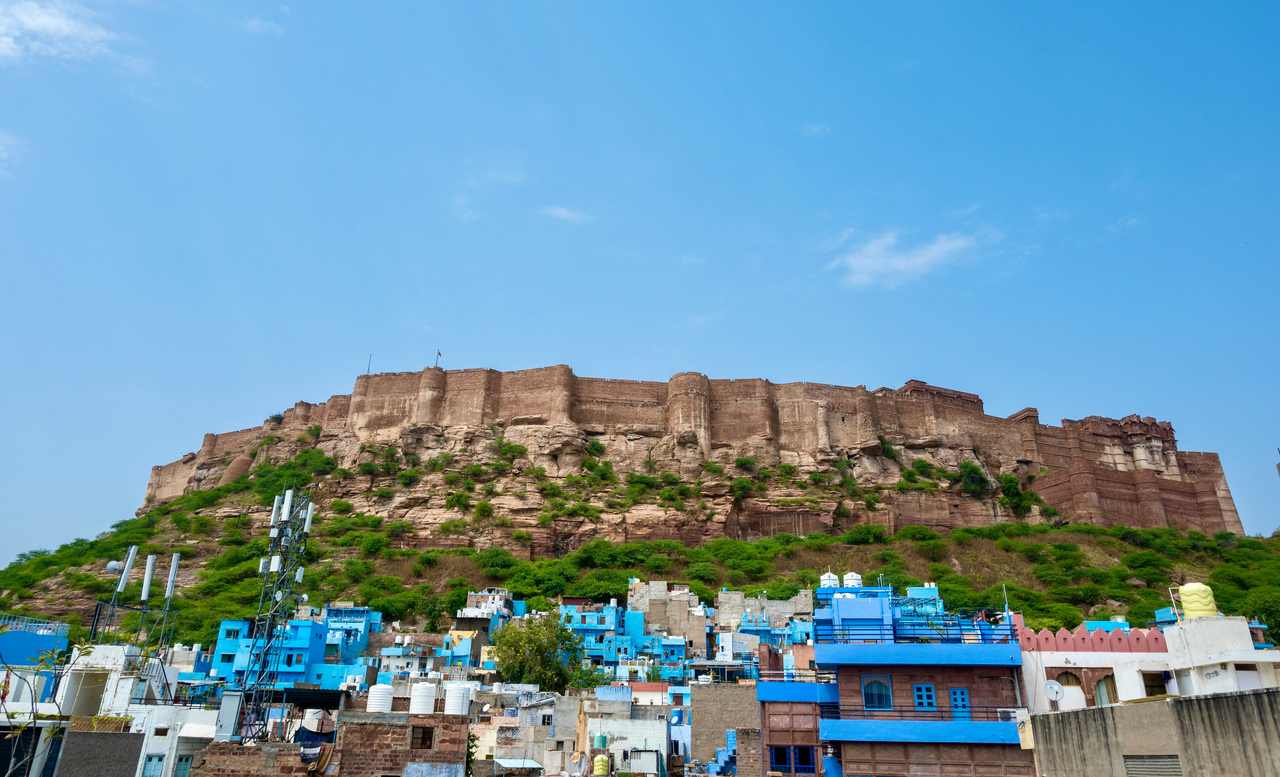
Mehrangarn Fort c. Jayanth Muppaneni on Unsplash
Perched atop a rocky hill, the majestic Mehrangarh Fort dominates the skyline of Jodhpur. It stands as an imposing citadel, one of the largest, well-preserved, and most magnificent forts in India. Built in the 15th century by Rao Jodha, the fort boasts impressive ramparts, intricately carved balconies, and palatial courtyards, offering panoramic views of the city below.
Allow at least half a day to walk through the palaces and look through the treasure trove in the museum. Pause and sit next to the local artist, playing folk music.
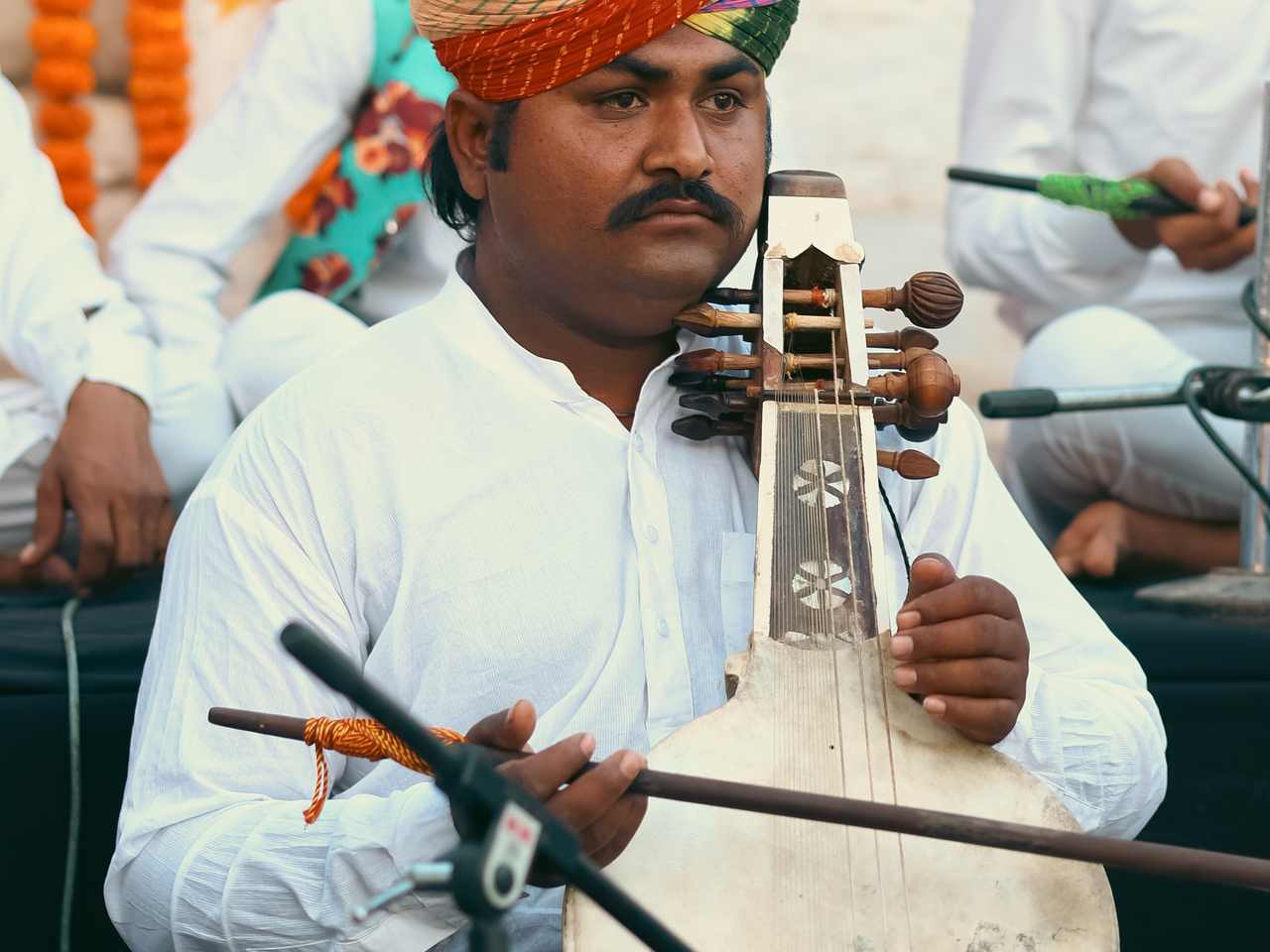
Folk nusician c. Aasif Pathan @filmbyaasif
He will be happy to sing and play his unique instrument for you. As you take a walk through courtyards, and Moti Mahal, Phool Mahal, Sheesh Mahal, observe how each is adorned with exquisite artwork and royal artefacts, bringing alive the saga of Jodhpur’s regal past. Every corner offers breathtaking panoramic views of the city. Check out their calendar of events, as there are several music, cultural events and festivals happening throughout the year.
Walk towards ‘Toorji Ka Jhalra’ – and you will be in awe of this 18th-century architectural marvel featuring complex geometric stairs. It is a lively spot to grab a coffee at the nearby cafes, or watch locals take a plunge in the late afternoon.
Jaswant Thada – Pristine White Marble Cenotaph
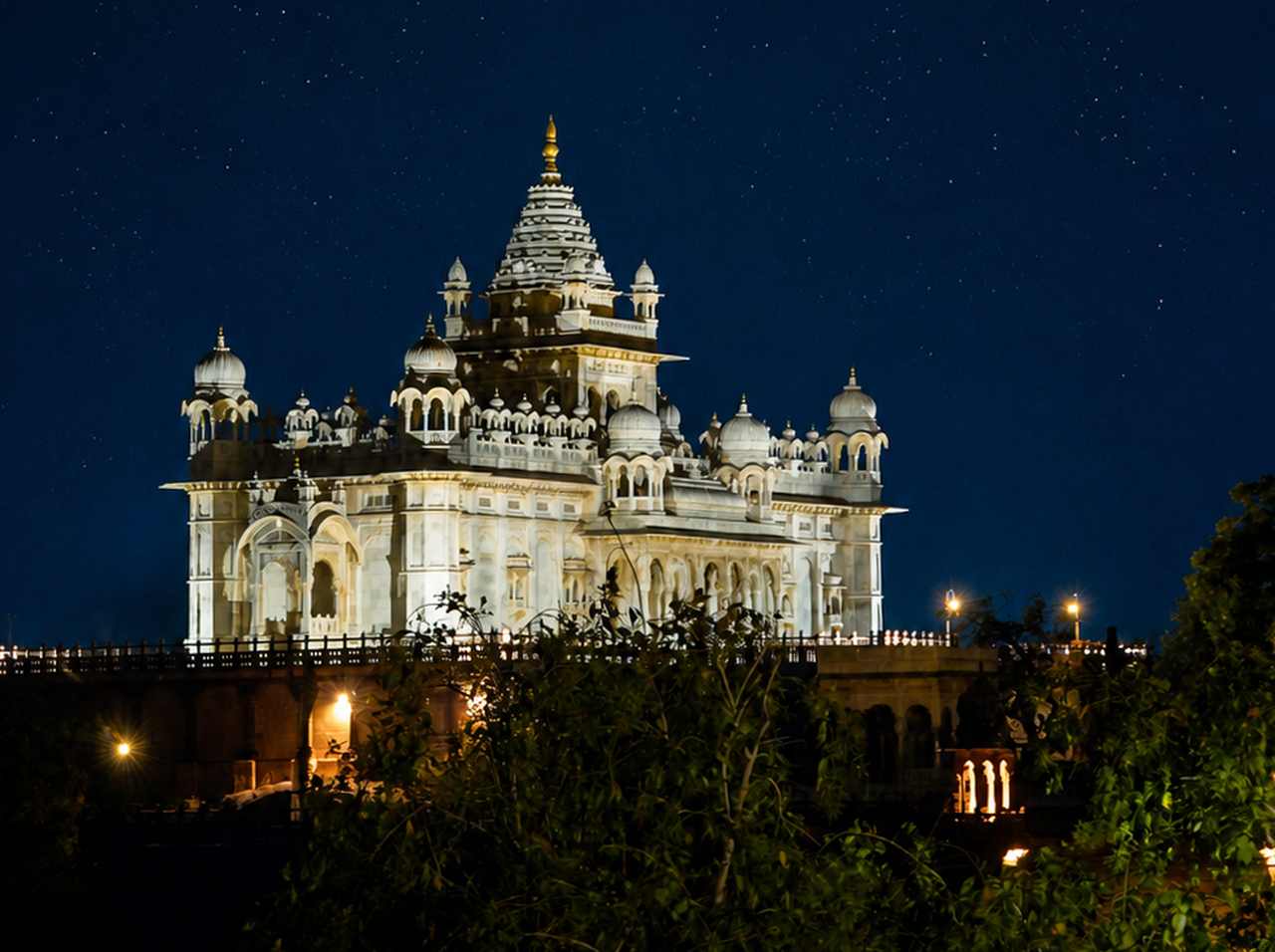
Jaswant Thada, c.Aasif Pathan @filmbyaasif
Not very far from the Fort is a stunning white marble memorial which was built in the 19th century in honour of Maharaja Jaswant Singh II. Take a walk in the lush gardens, and see intricately carved marble lattice screens, domes and portraits of the Rathore rulers. You can capture some beautiful views of the nearby Mehrangarh Fort and the cityscape from here.
Rao Jodha Desert Rock Park – For Nature Lovers
Tucked at the foot of Mehrangarh Fort is the ecological restoration project spreading over 72 hectares. A lot of painstaking work has been undertaken to preserve and showcase the native flora and fauna of the Thar Desert. You can explore various walking trails, enjoy panoramic views of the Fort, and learn about desert conservation initiatives.
A Symbol of Opulence – Umaid Bhawan Palace
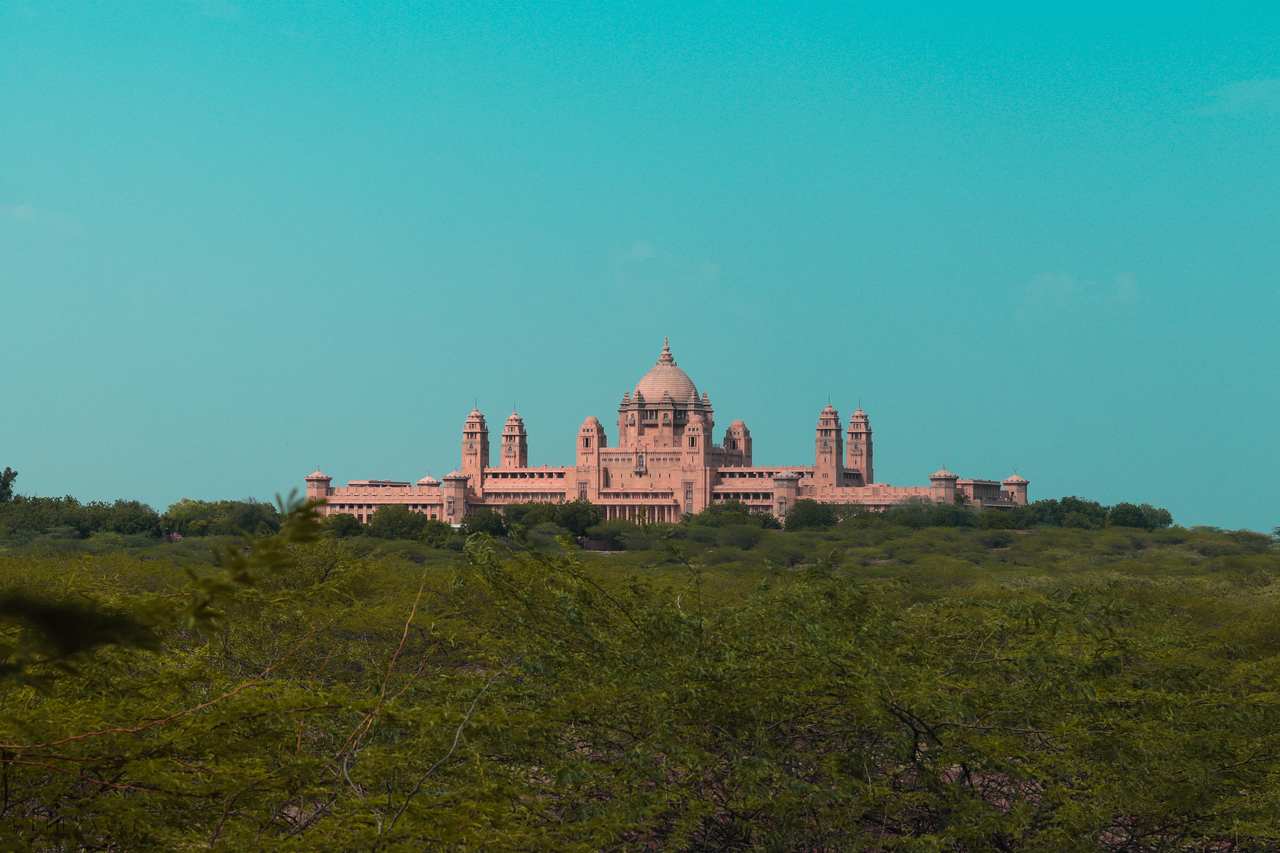
Umeed Bhawan c. Aasif Pathan @filmbyaasif
Sprawling in 26 acres of gardens, gleaming in golden sandstone, the Umaid Bhawan Palace sits high above the city – a living testament to Jodhpur’s royal heritage.
Built in the 20th century by Maharaja Umaid Singh, the palace is a splendid blend of Indo-Saracenic architecture, featuring ornate domes, elegant courtyards, and lush gardens. Today, a part of the palace serves as a luxury heritage hotel, allowing guests to experience an authentic regal sojourn. Who knows, you may meet a member of the Royal family as even today, it remains an active royal residence with family members residing in their own wing. Those who opt to stay here get to taste the food of the Maharajas as the menu includes the recipes of the Royal Chefs.
Celebrate the past and present – The Clock Tower & The Bustling Bazaars
Vibrant bazaars of Jodhpur weave the cultural fabric of the city. In the heart of the city, The Clock Tower is the fulcrum surrounded by old markets like Sadar Bazaar, where the activities never stop. Take a walk and immerse yourself in the bylanes where a wide range of handicrafts, textiles, spices, and traditional Rajasthani items are available. Wrap up your day with picking a few souvenirs as remember you are in the midst of sights, sounds, and smells of real Rajasthan here.
Mandore Gardens
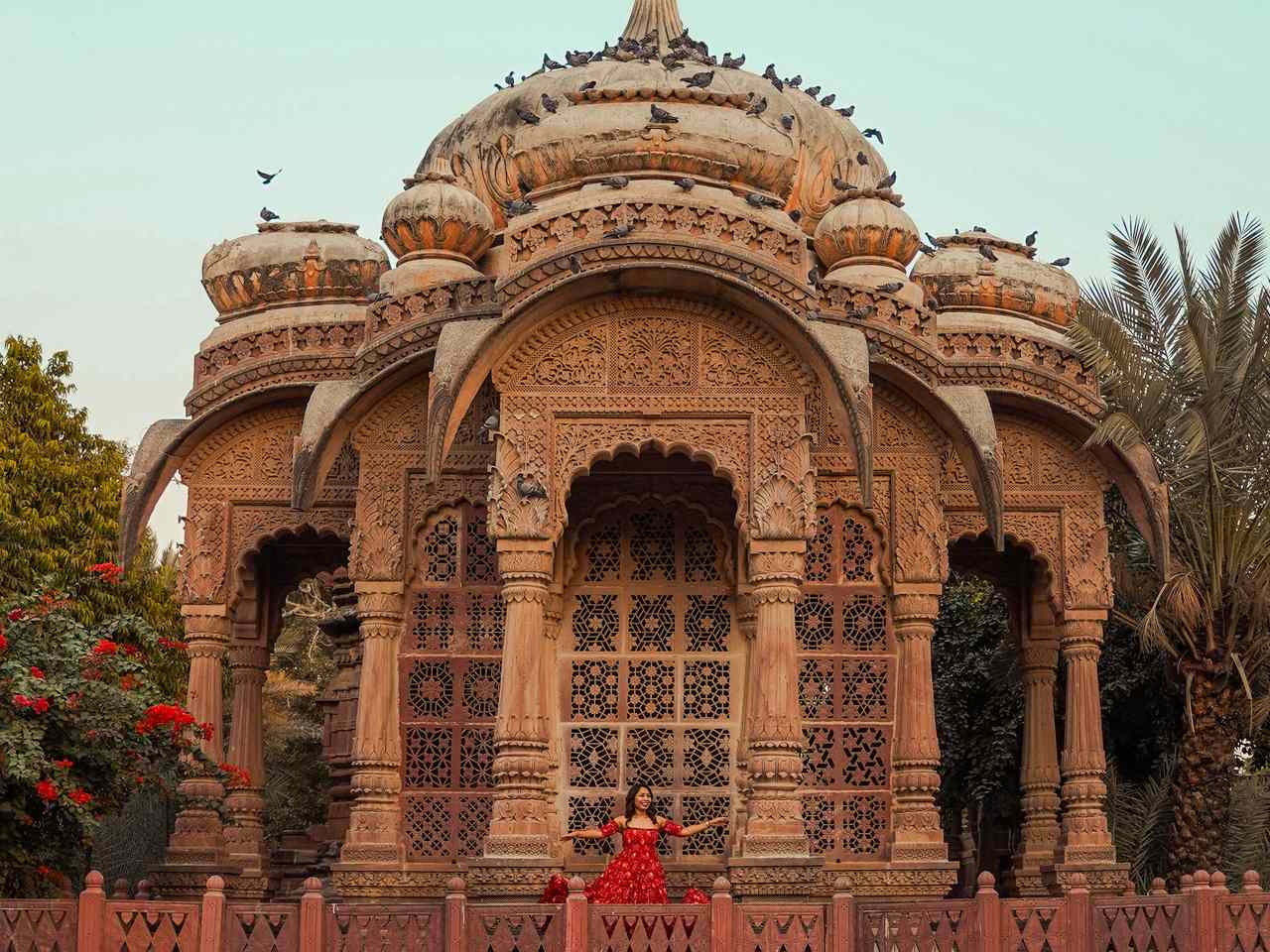
Mandor c. Aasif Pathan @filmbyaasif
An ideal spot to enjoy a little picnic as this venue is adorned with cenotaphs, temples, and lush greenery. Located a short distance from the city centre, Mandore was the former capital of Marwar. Do not miss the Hall of Heroes here, which showcases statues and sculptures of Rajput heroes and deities.
Chamunda Mata Temple
There are ancient temples which hold immense significance, especially for the locals.
One such old temple is situated within Mehrangarh Fort, dedicated to Chamunda Mata, a revered Hindu goddess. Devotees visit to seek blessings and visitors admire its intricate architecture and religious significance.
Street Food – Where Tradition Meets Taste
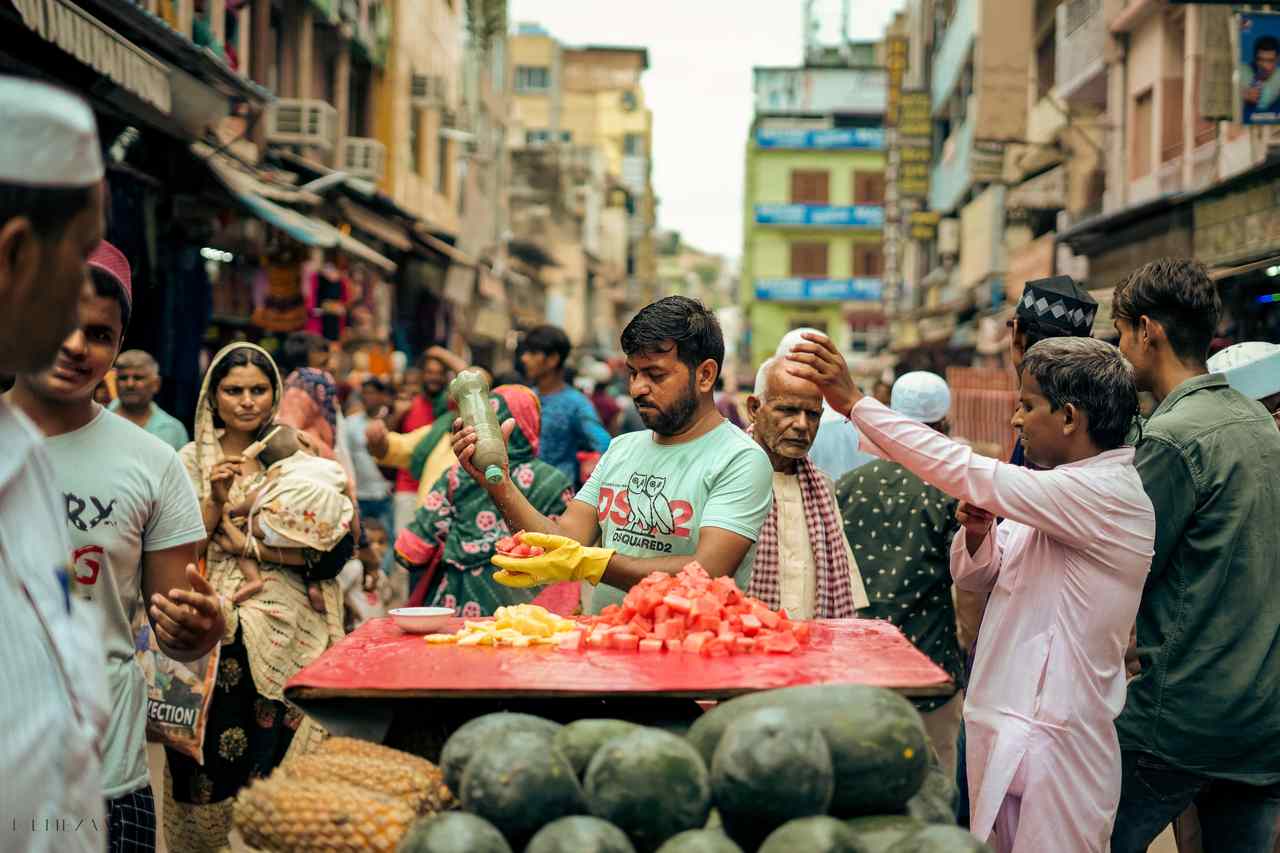
Street food c. Aasif Pathan @filmbyaasif
Jodhpur, with its glorious past, architectural marvels, and vibrant culture, is a destination that is also known for its gastronomic abundance. You cannot leave this city without feasting on the Street Food. Go to the popular Ghantaghar Market (or Clock Tower Road) and the vibrant Tripolia Bazar, where you can indulge in an array of delectable delicacies.
My favourite is the iconic pyaaz kachori (onion fritters) and mirchi bada. Yes, it is a bit spicy,
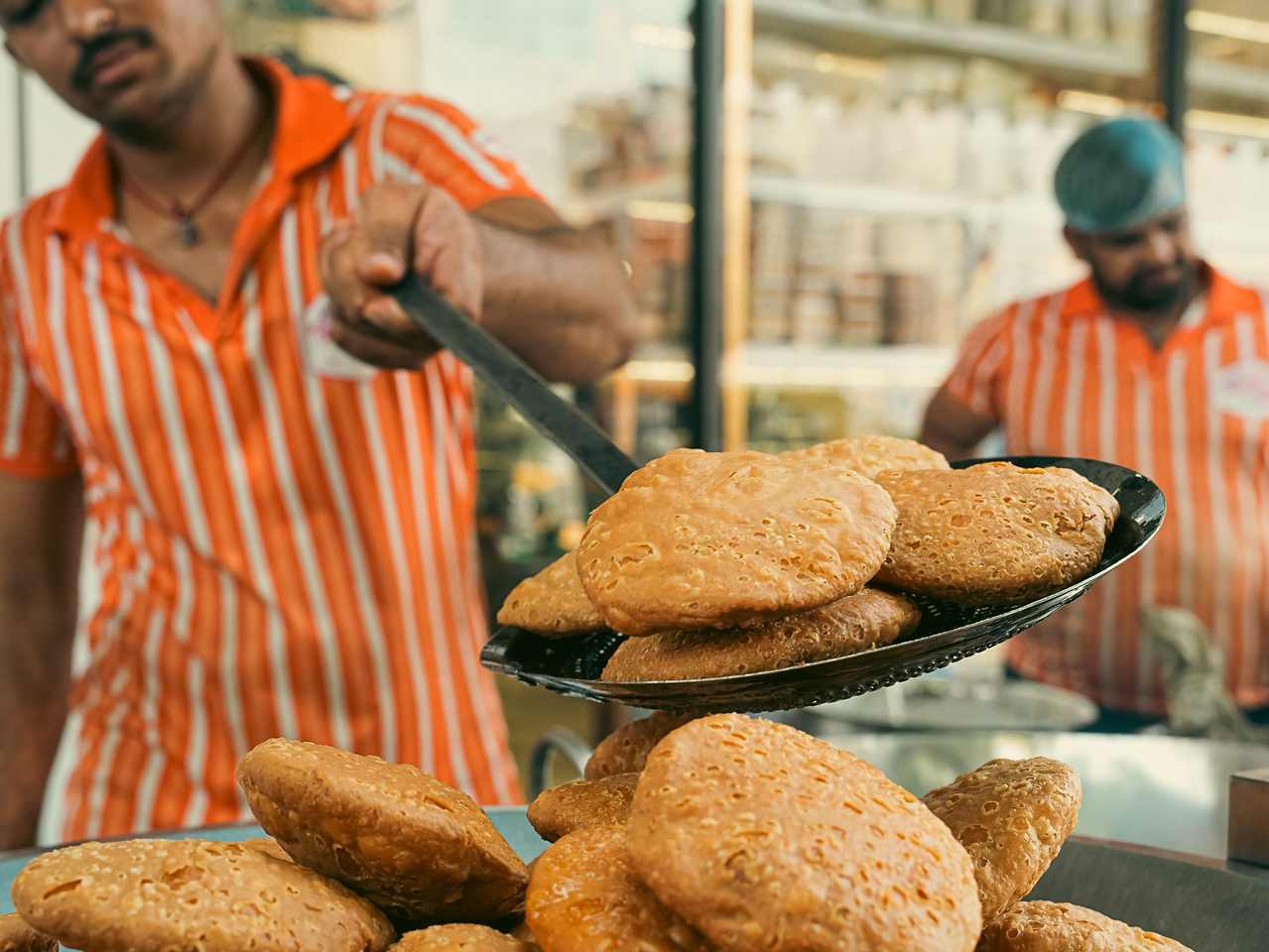
Kachori c. Aasif Pathan @filmbyaasif
but then a glass of sweet makhaniya lassi (thick sweet yoghurt drink) helps to savour it.
If you have a sweet tooth then do not miss ‘ Mawa Kachori,’ a signature dish of Jodhpur. This mouthwatering patty is stuffed with mawa, dry fruits, and soaked in a luscious sugar syrup, offering a perfect balance of sweet and rich flavour.
VERDICT
Jodhpur captures the imagination and leaves an indelible impression on all kinds of travellers. From the towering ramparts of Mehrangarh Fort to the bustling lanes of the Blue City, every corner of Jodhpur seems to tell a story – a story of regal charm, a story of Rajasthan’s illustrious history and a story of its deep-rooted traditions and vibrant culture. Whether it’s Jodhpur’s culinary magic or fun time bargaining by shopping aficionados, the romance of its folklore makes it an ideal vacation destination, just perfect for a weekend getaway.
The post Jodhpur – India’s Enchanting Blue City appeared first on The Travel Magazine.