
Zambia and COMESA Launch AI Initiative to Advance Regional Digital Transformation
The Ministry of Technology and Science, in collaboration with the Common Market for Eastern and Southern Africa (COMESA) Secretariat and the World Bank, has launched ......
 Black News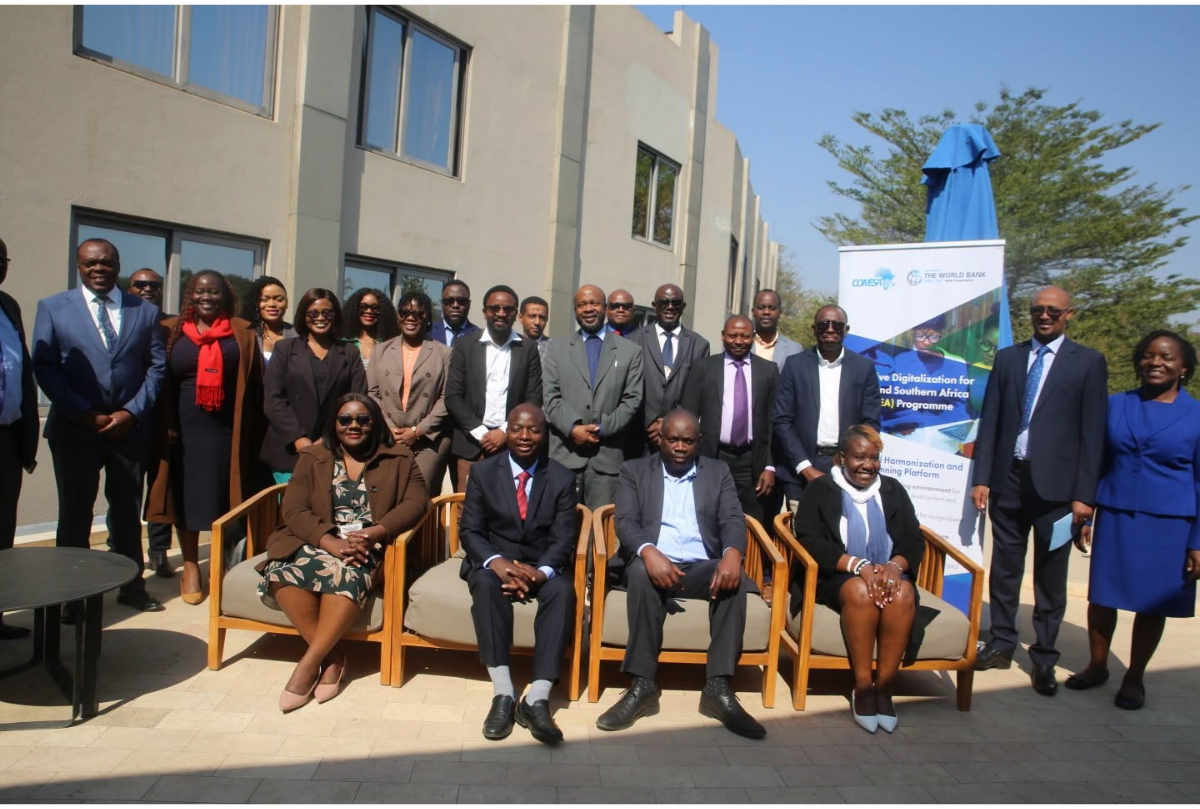
The Ministry of Technology and Science, in collaboration with the Common Market for Eastern and Southern Africa (COMESA) Secretariat and the World Bank, has launched an Artificial Intelligence (AI) Sensitisation Workshop in Lusaka under the Inclusive Digitalization in Eastern and Southern Africa (IDEA) Programme.
The workshop is aimed at promoting the responsible adoption of AI and emerging technologies across the region while supporting the development of harmonised AI policies and regulatory frameworks. It also marks the first structured activity under the Stakeholder Engagement Plan for the AI and Emerging Technologies Consultancy.
The event was officially opened by the Permanent Secretary in the Ministry of Technology and Science, Eng. Dr. Brilliant Habeenzu, at the Radisson Blu Hotel in Lusaka. The stakeholder engagement seeks to build awareness of AI, strengthen institutional capacity, gather country-specific input and contribute to the formulation of a regional AI strategy and regulatory framework.
Speaking at the launch, COMESA Secretariat Representative Leonard Chitundu said the stakeholder engagements combine awareness creation, capacity building and structured consultations to ensure future policy recommendations are evidence-based, inclusive and aligned with regional harmonisation objectives.
He noted that artificial intelligence and emerging technologies present significant opportunities to improve public service delivery, increase productivity, stimulate innovation and facilitate cross-border digital services. Chitundu added that COMESA is committed to a coordinated regional approach that maximises AI’s benefits while addressing challenges including data governance, ethical AI use, consumer protection, cybersecurity, skills development and regulatory preparedness.
In his keynote address, Dr. Habeenzu highlighted AI’s growing impact across sectors such as agriculture, healthcare, education and finance, noting that the technology has the potential to transform service delivery and drive economic growth. He said AI is projected to contribute more than US$15.7 trillion to the global economy by 2030, with Africa expected to realise around US$1.2 trillion if adoption is accelerated responsibly.
The Permanent Secretary warned that without harmonised policy and regulatory frameworks, Zambia and other COMESA member states risk fragmented approaches, inconsistent safeguards and missed opportunities for innovation and economic development. He said the workshop aims to develop a shared understanding of AI opportunities and risks, identify Zambia’s policy and institutional gaps, contribute to regional AI policy development and identify high-impact AI use cases across priority sectors.
Dr. Habeenzu reaffirmed Zambia’s commitment to inclusive digital transformation through continued investments in broadband infrastructure, e-government services, cybersecurity, digital identity systems and digital payment platforms. He noted that mobile broadband penetration in Zambia reached 72% in 2025, up from less than 40% a decade earlier, while more than 300 communication towers have been constructed since 2022 to expand digital connectivity across the country.
He also highlighted Zambia’s participation in the US$2.48 billion IDEA Programme, implemented with COMESA and the World Bank, which supports more than 15 countries in expanding digital access, strengthening digital infrastructure and harmonising policy frameworks. The programme places particular emphasis on ensuring women, youth, persons with disabilities, rural communities and small and medium-sized enterprises are included in the digital economy.
According to the Ministry, recommendations from the stakeholder consultations will help shape Zambia’s national AI agenda while contributing to the development of the COMESA Regional Artificial Intelligence Strategy and the Regional Digital Inclusion Strategy. The Ministry added that collaboration between governments, the private sector, academia, civil society, development partners and regional organisations will be critical to building an inclusive digital economy and advancing Africa’s digital future.