The Many Faces of Festivals : A Global Exploration
It is often observed as an indigenous or national holiday, a religious celebration, or a cultural fair (mela). A festival is a typical case of glocalization, and also reflects the high culture-lowculture interrelationship. In addition to religion and folklore, a significant source for festivals has been agriculture. Since, food is such an essential resource, many festivals are associatedwith harvest time. Religious observances and thanksgiving for good harvests are integrated into celebrations that take place in autumn, such as Halloween in the northern hemisphere and Easter in the southern hemisphere. Festivals often serve to fulfill specific communal purposes, especially in regard to commemoration or giving thanks to gods, goddesses or saints: they are called patronal festivals. They may also provide entertainment, which was particularly important to local communities before the arrival of mass-produced entertainment. Festivals that focus on cultural or ethnic topics also seek to inform community members of their traditions; the involvement of elders sharing stories and experience provides a means for unityamong families. Types of festivals The scale of festivals varies; in location and attendance, they may vary from a local…
 Black News

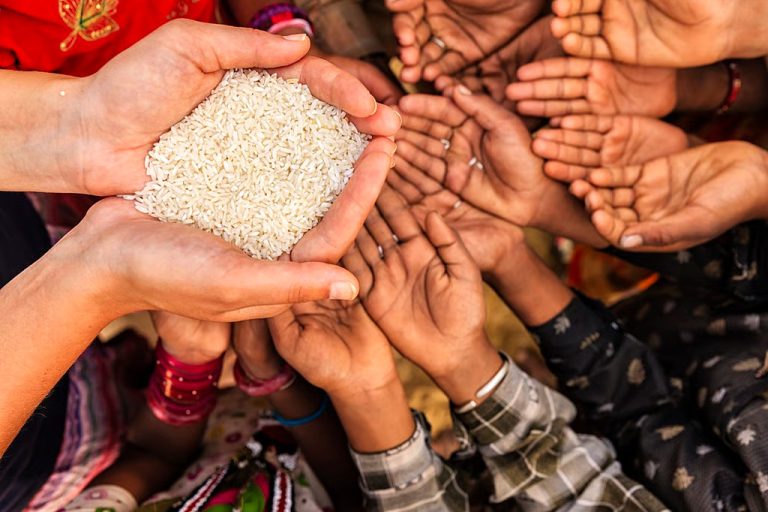
It is often observed as an indigenous or national holiday, a religious celebration, or a cultural fair (mela). A festival is a typical case of glocalization, and also reflects the high culture-lowculture interrelationship. In addition to religion and folklore, a significant source for festivals has been agriculture. Since, food is such an essential resource, many festivals are associatedwith harvest time. Religious observances and thanksgiving for good harvests are integrated into celebrations that take place in autumn, such as Halloween in the northern hemisphere and Easter in the southern hemisphere.
Festivals often serve to fulfill specific communal purposes, especially in regard to commemoration or giving thanks to gods, goddesses or saints: they are called patronal festivals. They may also provide entertainment, which was particularly important to local communities before the arrival of mass-produced entertainment. Festivals that focus on cultural or ethnic topics also seek to inform community members of their traditions; the involvement of elders sharing stories and experience provides a means for unityamong families.
Types of festivals
The scale of festivals varies; in location and attendance, they may vary from a local to national level. Music festivals, for example, often bring together disparate groups of people, making them both localised and global. The “vast majority” of festivals are, however, local, modest and populist. The abundance of festivals significantly hinders quantifying their total number. There is significant variation among festivals, beyond the binary dichotomies of sacred and secular, rural and urban, and people and establishment.
Religious festivals
Among many religions, a feast is a set of celebrations in honour of God or various deities. A feast and a festival are historically interchangeable. Most religions have festivals that occursannually and some, such as Passover, Easter, and Eid al-Adha are moveable feasts – that is, those that are determined either by lunar or agricultural cycles or the calendar in use at the time. The Sed festival, for example, celebrated the thirtieth year of an Egyptian pharaoh‘s rule and then every three (or four in one case) years after that.
Among the Ashantis, most of their traditional festivals are linked to gazette sites which are believed to be sacred with several rich biological resources in their pristine forms. Thus, the annual commemoration of the festivals helps in maintaining the buoyancy of the conservednatural site, assisting in biodiversity conservation. Vodoun days is also one of the religiousfestivals of Benin which invites surrounding countries like Togo and Ghana because of the almost identical culture and tradition. Vodoun days is a festival of Vodoun. Even in Togo Godogbe za of Gblinkomegan is a traditional celebration based on ancestor worship.
Arts festivals
Among the many offspring of general arts festivals are also more specific types of festivals, including ones that exhibit intellectual or creative achievement such as science festivals, literary festivals and music festivals. Sub-categories include comedy festivals, rock festivals, jazz festivals and buskers festivals; poetry festivals, theatre festivals, and storytelling festivals; and re-enactment festivals such as Renaissance fairs. In the Philippines, aside from numerous art festivals scattered throughout the year, February isknown as national arts month, the culmination of all art festivals in the entire archipelago. The modern model of music festivals began in the 1960s-70s and have become a lucrative global industry. Predecessors extend back to the 11th century and some, such as the Three ChoirsFestival, remain to this day.
Seasonal and harvest festivals
Seasonal festivals, such as Beltane, are determined by the solar and the lunar calendars and by the cycle of the seasons, especially because of its effect on food supply, as a result of whichthere is a wide range of ancient and modern harvest festivals. Ancient Egyptians relied uponthe seasonal inundation caused by the Nile River, a form of irrigation, which provided fertile land for crops. In the Alps, in autumn the return of the cattle from the mountain pastures to the stables in the valley is celebrated as Almabtrieb. A recognized winter festival, the ChineseNew Year, is set by the lunar calendar, and celebrated from the day of the second new moonafter the winter solstice.