South Africa plans biggest overhaul of cash system as consumers shoulder $5.5billion annual bill
South Africa is preparing the most significant overhaul of its cash ecosystem in years after the central bank found that consumers shoulder nearly $5.5 billion (R90 billion) a year in the cost of using physical money, prompting plans for sweeping reforms aimed at making cash cheaper, more accessible and more resilient.
 Black News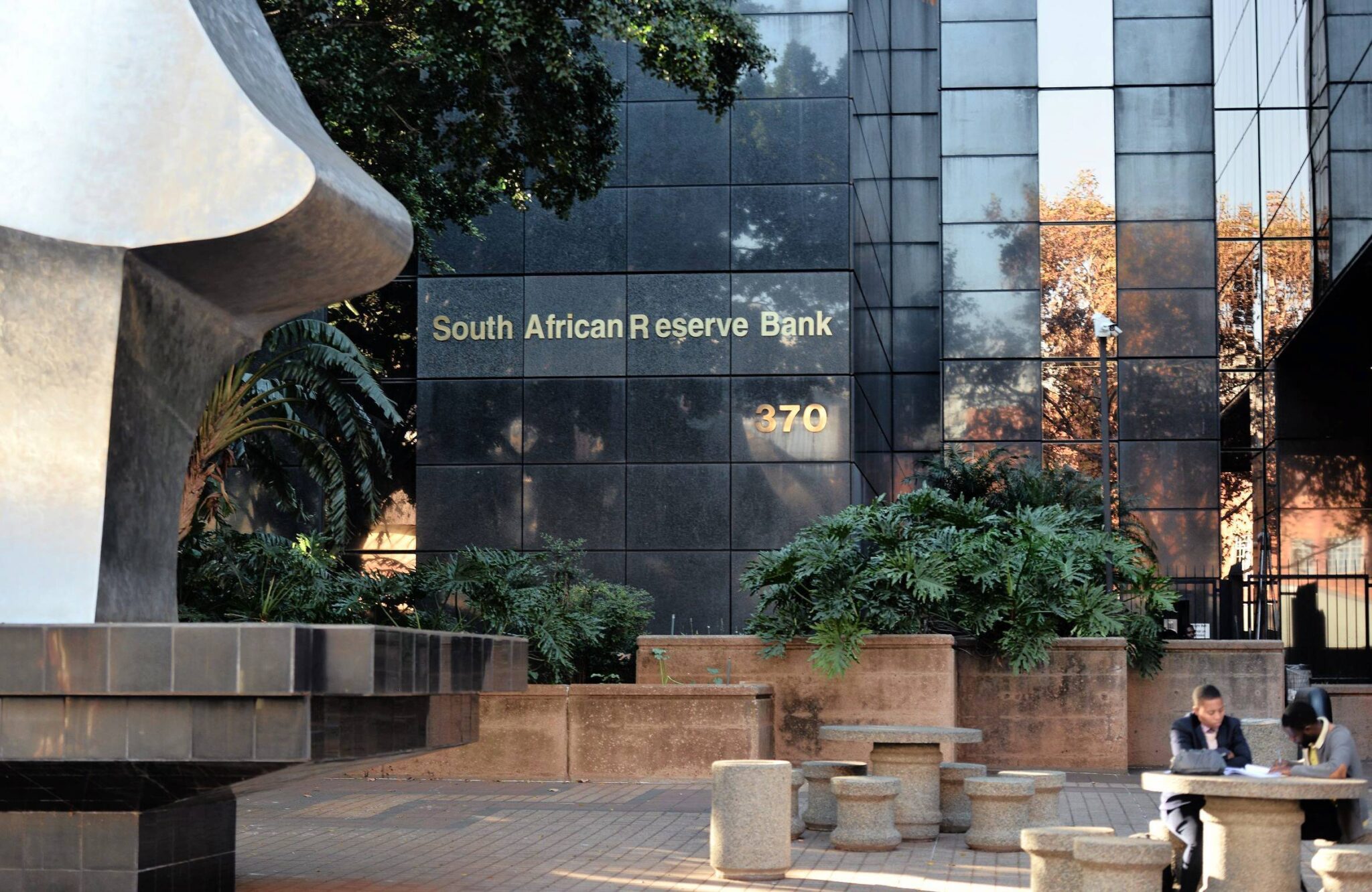

South Africa is preparing the most significant overhaul of its cash ecosystem in years after the central bank found that consumers shoulder nearly $5.5 billion (R90 billion) a year in the cost of using physical money, prompting plans for sweeping reforms aimed at making cash cheaper, more accessible and more resilient.
- South Africa’s central bank says consumers bear about $5.5 billion (R90 billion) annually in the cost of using cash.
- The SARB is proposing a major overhaul of the country’s cash ecosystem through its new Cash Smart Strategy.
- Planned reforms include a national cash utility, expanded white-label ATMs and stronger regulation of cash service providers.
- The central bank says cash will remain essential despite the continued growth of digital payments.
In a new position paper, the South African Reserve Bank (SARB) said cash remains a cornerstone of the country’s economy despite the rapid growth of digital payments.
However, it warned that the current system is becoming increasingly expensive, fragmented and vulnerable, particularly for low-income households and rural communities that continue to depend heavily on cash.
The proposed reforms form part of what the central bank calls its Cash Smart Strategy, a long-term plan to modernise South Africa’s cash infrastructure while preserving cash as an essential public service rather than allowing market forces alone to determine its future.
The hidden cost of cash
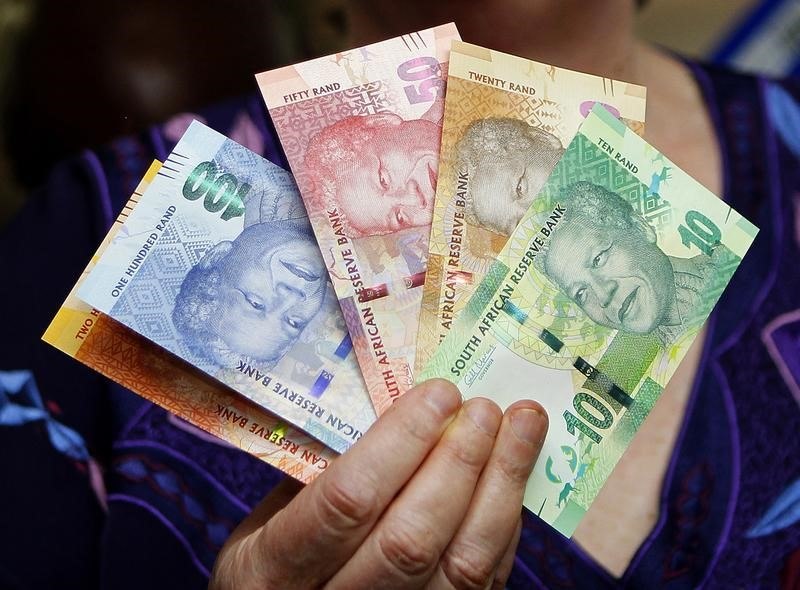
The SARB’s Cost of Cash Study, completed in November 2025, estimates that South Africa’s cash economy costs approximately R90 billion ($5.5 billion) annually.
Almost half of that amount, R43.5 billion comes from direct costs such as withdrawal fees, deposit charges and the infrastructure required to distribute cash.
DON'T MISS THIS: Africa's richest country set for biggest cash-system revamp in decades
The remaining R46.1 billion stems from indirect costs including travelling to access cash, time spent in queues, exposure to crime, cash losses and opportunity costs.
Although banks, retailers and cash service providers incur part of these expenses, the Reserve Bank concluded that the costs are ultimately passed on to consumers.
The study found that commercial banks account for the largest share of supply-chain costs at R21 billion, reflecting the expense of operating branches, ATMs, cash-in-transit services and processing banknotes and coins.
Retailers and small businesses account for another R4.3 billion, while essential industry services such as cash storage, logistics and security contribute R1.2 billion.
Cash isn’t disappearing
Despite the rapid adoption of digital payments, the SARB stressed that South Africa is unlikely to become a cashless society.
Cash remains critical for everyday transactions, particularly in informal markets, rural communities and among households with limited access to digital financial services. It also serves as an important backup when electronic payment systems are disrupted by power outages, network failures or cyber incidents.
“The SARB therefore recognises that cash and digital payments are not pure substitutes, but complementary instruments within a hybrid payments ecosystem,” the central bank said.
The Reserve Bank noted that several countries, including the United Kingdom, Sweden, Norway and Australia, have introduced measures to protect access to cash even as digital payments expand, recognising its role in maintaining payment system resilience during crises.
DON'T MISS THIS: South Africa’s stock market hits highest valuation since 2019
Preventing ‘cash deserts’
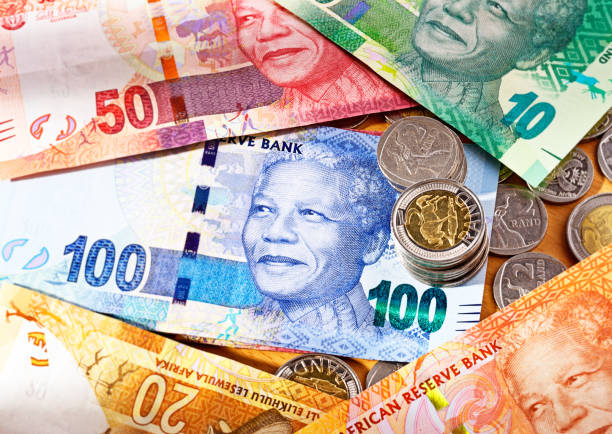
A central concern for policymakers is the gradual reduction of bank branches and ATMs as financial institutions rationalise their physical networks.
The SARB warned that this trend could create so-called “cash deserts” areas where consumers, particularly those in rural or low-income communities, must travel long distances or incur higher costs simply to access cash.
According to the paper, declining cash usage could also push up the average cost of each withdrawal or deposit as fixed infrastructure costs are spread across fewer transactions, increasing the likelihood that consumers will face higher fees in the future.
A new cash utility
To address these challenges, the SARB is proposing an integrated overhaul of the cash ecosystem centred on a national cash utility.
Rather than treating cash distribution as a collection of separate commercial activities, the Reserve Bank wants to consolidate parts of the wholesale cash infrastructure, improve coordination across the supply chain and create shared cash management systems that reduce duplication and improve efficiency.
DON'T MISS THIS: Top 10 African countries with the highest cost of living at the start of 2026
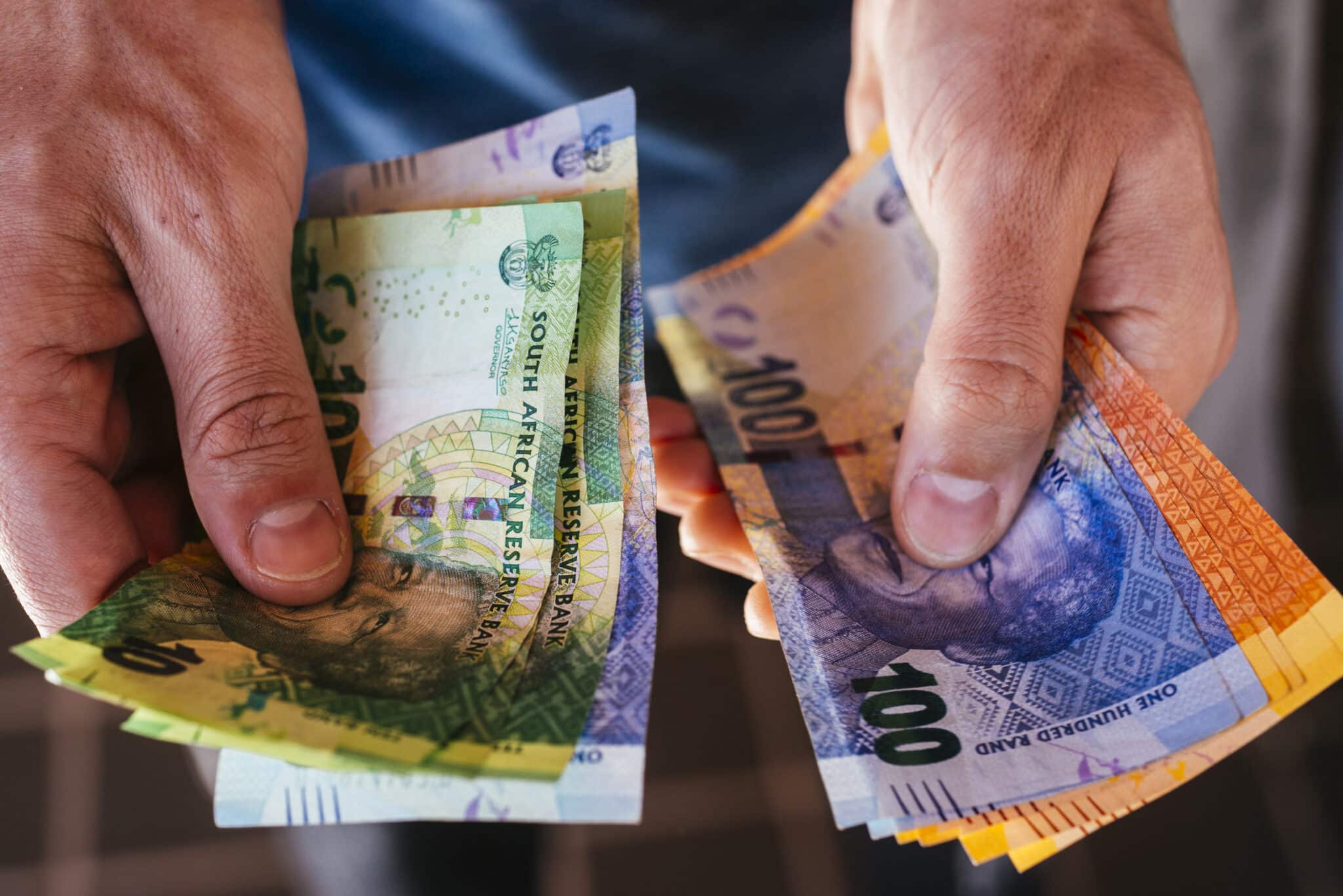
The proposed framework would also expand white-label ATMs, license non-bank cash operators, strengthen oversight of cash-in-transit companies and establish common standards for the handling, authentication and distribution of physical currency.
The central bank said the strategy rests on three objectives, making cash more affordable by reducing structural inefficiencies, improving access across urban and rural communities, and strengthening the integrity and governance of South Africa’s physical currency system.
Cash as public infrastructure
Perhaps the most significant shift in the paper is the SARB’s proposal to treat cash as a form of national public infrastructure rather than simply another payment method.
The Reserve Bank said market forces alone cannot guarantee universal access to cash as commercial incentives evolve, arguing that government intervention is necessary to ensure physical currency remains affordable, accessible and resilient.
While the position paper does not introduce immediate regulation, it sets out the policy framework that will guide future licensing rules, operational standards and industry consultation as South Africa redesigns its cash ecosystem.
For the central bank, the objective is not to slow the country’s transition towards digital payments but to ensure that millions of South Africans who still rely on cash are not left behind as that transition accelerates.