Manana Delivers Neo-Soul Realism and Modern Romance on New Album It Really Isn’t What It Is
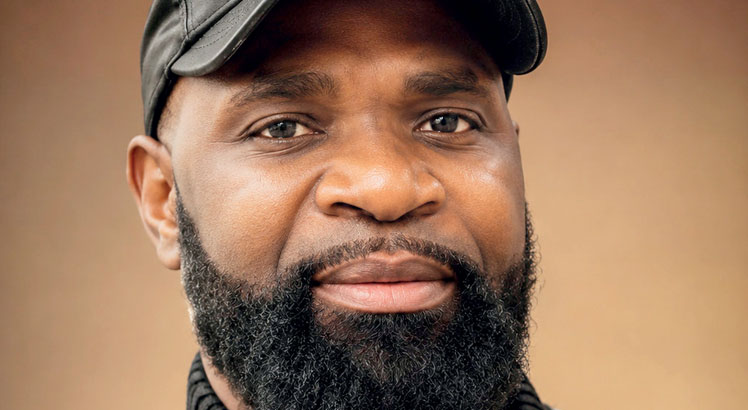
Grammy-winning singer-songwriter Manana returns with a deeply reflective new album that examines modern love with honesty, vulnerability and emotional precision. Titled it really isn’t what it is, the project places the Eswatini-born artist firmly within the conversation around contemporary African R&B while drawing heavily from neo-soul and alternative R&B. The album features guest appearances from … The post Manana Delivers Neo-Soul Realism and Modern Romance on New Album It Really Isn’t What It Is appeared first on SA Music Magazine.
 Black News

Grammy-winning singer-songwriter Manana returns with a deeply reflective new album that examines modern love with honesty, vulnerability and emotional precision. Titled it really isn’t what it is, the project places the Eswatini-born artist firmly within the conversation around contemporary African R&B while drawing heavily from neo-soul and alternative R&B. The album features guest appearances from Kali Claire and Nasty C. Rather than presenting romance as a simple sequence of perfect moments, Manana explores uncertainty, emotional distance, changing relationships and the complicated expectations that shape dating today. The result is a thoughtful body of work that combines polished production with storytelling that feels personal and recognisable.
At the heart of it really isn’t what it is is Manana’s examination of the modern dating experience. The album moves through situations that many listeners will recognise, from uncertain talking stages to the emotional difficulty of accepting that a relationship has changed. Its title itself suggests the tension between what people want relationships to be and what those relationships actually become. Manana does not appear interested in presenting easy answers or idealised versions of romance. Instead, he focuses on the contradictions that emerge when people want intimacy while also protecting themselves from disappointment, rejection and emotional pain.
The album opens with “No!”, a track that immediately establishes Manana’s more assertive approach to love and relationships. The song introduces him in a firm stance while reflecting on lessons learned through experience. That opening is important because it establishes the album as a conversation shaped by maturity rather than youthful romantic fantasy. Manana approaches relationships with the perspective of someone who understands that emotional boundaries can be necessary even when feelings remain complicated. The song sets the tone for a project that repeatedly asks listeners to consider what happens when desire, self-protection and genuine connection collide.
“Talking Stages” takes that exploration further by focusing on one of the defining features of contemporary dating. The phrase has become common in modern relationship culture, describing a period when two people may be emotionally or romantically involved without clearly defining what they are to each other. Manana uses the concept to explore the desire for deeper commitment beneath a restrained musical arrangement. The subdued keys and longing atmosphere support the desire for something more meaningful. That understated approach works well because the uncertainty surrounding a talking stage can often be more about what remains unsaid than what is openly expressed.
Kali Claire joins Manana on “Talking Stages”, adding another vocal presence to the album’s exploration of emotional uncertainty. Their collaboration strengthens the conversational quality of the song and reinforces the idea that modern relationships involve more than one perspective. The track does not need dramatic production to communicate its message because its emotional tension comes from the situation being described. That restraint is one of the album’s strengths, allowing the songwriting and vocal performances to remain central. By focusing on the details of an undefined relationship, Manana turns an increasingly familiar modern dating experience into a thoughtful piece of contemporary R&B storytelling.
One of the album’s standout moments arrives with “Alright”, which features South African rapper Nasty C. The collaboration brings two established African artists from different corners of contemporary music together without disrupting the album’s overall emotional direction. Nasty C’s presence adds a different texture to the project while keeping the focus on the album’s broader themes of relationships and personal reflection. Manana has previously collaborated with Nasty C, including on the rapper’s 2023 album I Love It Here, where their musical connection was noted as part of the project’s intimate and emotionally varied sound. Their latest appearance together gives “Alright” added significance and makes it one of the tracks likely to attract attention beyond Manana’s established R&B audience.
The album’s production also plays a major role in shaping its emotional atmosphere. Rather than relying heavily on conventional pop structures, Manana works within a sound that draws from alternative R&B and neo-soul. The project is surrounded by instrumentation that moves naturally between these styles while supporting its lyrical focus. This gives the album a smooth and intimate character without making it feel overly polished or emotionally distant. The music creates enough space for Manana’s voice and lyrics to communicate the uncertainty, nostalgia and vulnerability that run throughout the project.
“Sun Sets on Beautiful Days” is another example of Manana’s ability to turn emotional change into intimate songwriting. The song addresses the painful reality that good periods in a relationship can eventually come to an end. Its plaintive strings and reflective writing give it a sense of quiet grief rather than dramatic heartbreak. That distinction matters because the album is not simply about relationships ending in obvious conflict. Manana is equally interested in the quieter forms of loss that happen when feelings gradually change, distance grows or people realise that something they once valued no longer exists in the same way.
“Don’t Say the Words” continues the album’s focus on trust, expectations and emotional responsibility. Its central idea revolves around the desire for promises to be honoured, which fits into Manana’s broader examination of what people owe each other within relationships. The song shows how seemingly simple statements can carry significant emotional weight when they come from someone we trust. This approach allows Manana to explore romance through the small moments that often determine whether relationships survive. Instead of relying on exaggerated declarations, he pays attention to communication, consistency and the consequences of words.
The album also moves into nostalgia with “Where We Met”, which places memories of a relationship within warm, jazzy tones. Nostalgia becomes another important part of Manana’s storytelling because remembering where a relationship began can make its eventual changes more difficult to process. The warmth of the musical arrangement contrasts with the uncertainty that appears elsewhere on the project. This contrast reflects the complicated nature of memory, where positive experiences can remain meaningful even after circumstances have changed. Manana uses that tension to show that moving forward does not necessarily mean dismissing everything that came before.
By the time the album reaches “Remember Me”, its emotional journey has become more openly vulnerable. The closing track brings the project toward a final reflection on the persistence of love even when people attempt to establish boundaries for their own protection. The ending presents a parting confession in which the desire to remain connected outlasts the limits created for emotional safety. That ending gives the album a sense of emotional continuity rather than a neat resolution. Manana does not suggest that every relationship can or should be saved, but he recognises that feelings do not always disappear simply because circumstances demand distance.
What makes it really isn’t what it is particularly effective is the balance between romantic idealism and realism. Manana understands the appeal of love but refuses to ignore the complications that come with it. His songwriting looks at relationships through uncertainty, vulnerability, nostalgia and the difficult process of letting go. The alternative R&B and neo-soul production gives those themes room to develop without overwhelming the lyrics. Across the album, the project presents Manana as an artist who understands that contemporary storytelling can be both musically understated and emotionally direct.
The project also reinforces Manana’s position within the African R&B landscape. His approach does not depend on chasing every current trend, instead placing songwriting and emotional detail at the centre of the listening experience. The album’s themes are modern, but its focus on human emotion gives the music a broader relevance. From talking stages and relationship uncertainty to the grief of falling out of love, Manana explores experiences that can be understood across different audiences and generations. His collaboration with artists such as Kali Claire and Nasty C further expands the album’s musical reach without taking away from its core identity. It really isn’t what it is ultimately works because Manana allows the complexity of love to remain complex, giving listeners an honest and carefully crafted portrait of romance in the modern era.
The post Manana Delivers Neo-Soul Realism and Modern Romance on New Album It Really Isn’t What It Is appeared first on SA Music Magazine.