Katharine Hamnett thinks protest needs a redesign
Ahead of her in-conversation with Sarah Mower at Light House, the designer reflects on the legacy of political fashion, how brands have become fluent in the aesthetics of activism, and why she believes real change won't come from slogans alone. The post Katharine Hamnett thinks protest needs a redesign appeared first on BRICKS Magazine.
 Black News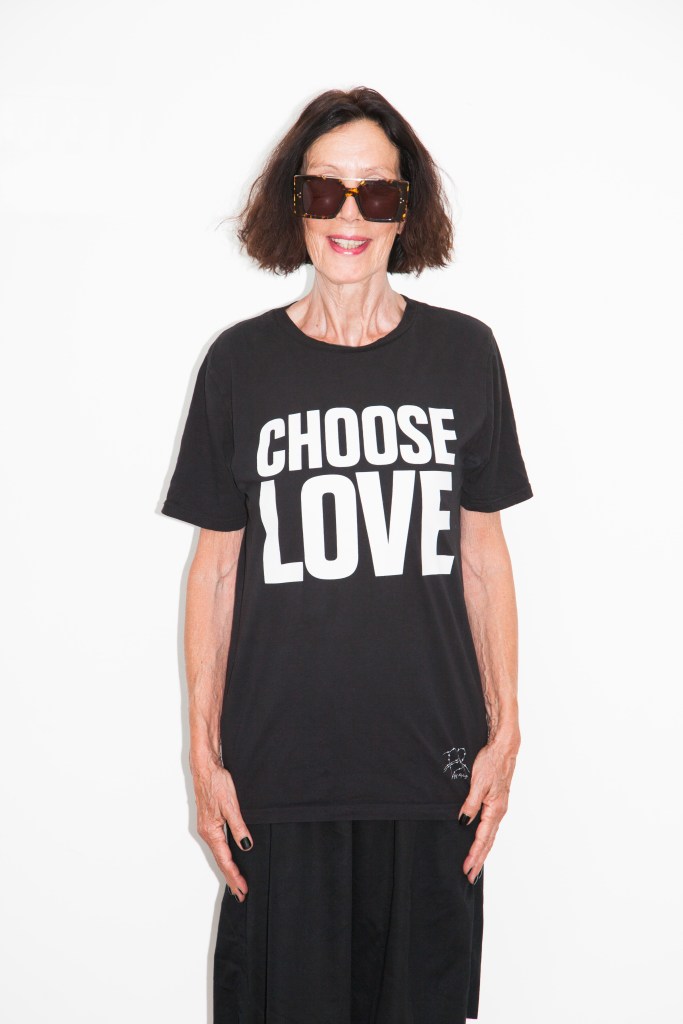
HEADER IMAGE Photographed by William Pine
“It proves to you that, actually, T-shirts have failed.” Coming from almost anyone else, this might be an unremarkable statement. Coming from Katharine Hamnett, it’s close to sacrilege.
Few people have done more to shape the relationship between fashion and political protest than the British designer and activist. When Hamnett met Margaret Thatcher in 1984 wearing a giant “58% DON’T WANT PERSHING” T-shirt, she transformed a simple cotton tee into one of the most recognisable forms of political communication in fashion history. Her bold typography would go on to define an era, while slogans including “Choose Life” have become part of pop culture itself. Today, almost every major fashion brand has borrowed from that visual language in some form, whether through sustainability messaging, feminist slogans or politically-charged campaigns.
Four decades later, Hamnett’s work is enjoying another resurgence. Archive pieces continue to attract collectors, younger generations are discovering her work through vintage and resale, and on 14th July she’ll join acclaimed fashion journalist Sarah Mower at Light House for a rare in-conversation reflecting on the career that reshaped British fashion.


But if the event promises a retrospective, Hamnett herself reflects most positively on an unlikely innovation. When asked what she’s proudest of from throughout her esteemed career, the designer doesn’t mention slogan T-shirts, stonewashing or stretch denim (all innovations she’s become synonymous with). Instead, she mentions a manufacturing software. “I’m proudest of working with Pro Logic on developing a platform,” she explains, describing a production system that automated manufacturing processes and “saved you six weeks in production time.” She lights up discussing its infrastructure, calling the software a “work of art.”
The same instinct underpins the political work she’s become known for. Looking back on Choose Life, Hamnett isn’t interested in celebrating one of fashion’s most iconic slogans. Originally rooted in Buddhist philosophy, she says the slogan “got stolen by the anti-abortionists in America” who “ripped it off totally.” Years later, she recalls a friend travelling through the US in an original Choose Life T-shirt from the 1980s who was attacked due to a misunderstanding of its message. “I’d love to grab it back,” she asserts. “It didn’t mean that at all. I believe in a woman’s right to choose.”
It’s a reminder that once political messaging enters the mainstream, it no longer belongs solely to its creator. Meanings shift, symbols are repurposed, and slogans become detached from the politics that first gave them life. In an era where images circulate globally in seconds, that loss of control feels more relevant than ever.
It’s also why Hamnett has become increasingly sceptical of the fashion industry’s relationship with activism. Before I’ve even finished asking about the way political language has become manipulated into a branding tool, she interrupts with a laugh: “Everything is being written in my typeface.” The oversized slogan T-shirt has become one of fashion’s most recognisable visual codes, but Hamnett argues that reproducing the look of activism is very different from embracing its politics. When asked how she distinguishes between brands genuinely trying to create change and those simply borrowing the language of resistance, she doesn’t hesitate. “They’re crap,” she says. “And they should just fuck off.”
It’s a characteristically blunt answer, but one that cuts to a wider frustration running through activists across the creative sector. Fashion, Hamnett suggests, has become exceptionally good at performing political awareness. Corporate sustainability campaigns, purpose-driven branding and values-led marketing have all become standard jargon in email chains and keynote speeches, yet the issues Hamnett has campaigned for since the start of her career – environmental protections, ending exploitative labour practices and improving political injustice – remain stubbornly unresolved.

It proves that, actually, T-shirts have failed. You see these huge marches across the world, and yet nothing is changing.
Perhaps that’s why she’s become less interested in symbolic action alone. “It proves that, actually, T-shirts have failed,” she explains. “You see these huge marches across the world, and yet nothing is changing.” While she still believes protests create “a feeling of fellowship, community and solidarity,” she questions whether they are delivering meaningful political outcomes. “We’ve actually got to change our game,” she says.
For Hamnett, that means thinking beyond symbolism altogether. She recommends writing letters to MPs rather than emails because “they’ve got to open” handwritten envelopes, tracking politicians’ voting records through websites like TheyWorkForYou, expanding economic boycotts, and even crowdfunding a secure voting app to strengthen democratic participation.
It’s striking that the woman who helped define political fashion now spends far more time talking about democratic infrastructure than garments themselves. And yet, this mirrors the same perspective she views her career through. The innovation she’s proudest of wasn’t visible on a runway, but hidden within a production system. Four decades later, her attention remains fixed on the structures beneath the surface. For her, politics has always mattered more than product.
That feels particularly significant ahead of a conversation designed to celebrate one of fashion’s most influential careers. Fashion gave her a platform, but she no longer believes the work ends with what we wear. If anything, her message today is more demanding than the slogans that first made her famous: clothes might still start conversations, but it’s up to all of us to finish them.
Light House Presents: Katharine Hamnett takes place on Tuesday 14th July. More information & tickets can be found here.
Enjoyed this story? Help keep independent queer-led publishing alive and unlock the BRICKS Learner Platform, full of resources for emerging and aspiring creatives sent to you every week via newsletter. Start your 30-day free trial now.
The post Katharine Hamnett thinks protest needs a redesign appeared first on BRICKS Magazine.