James Talarico continues Houston Black voter outreach as midterms near
James Talarico reiterated his campaign talking points about affordability and voting rights.
 Black News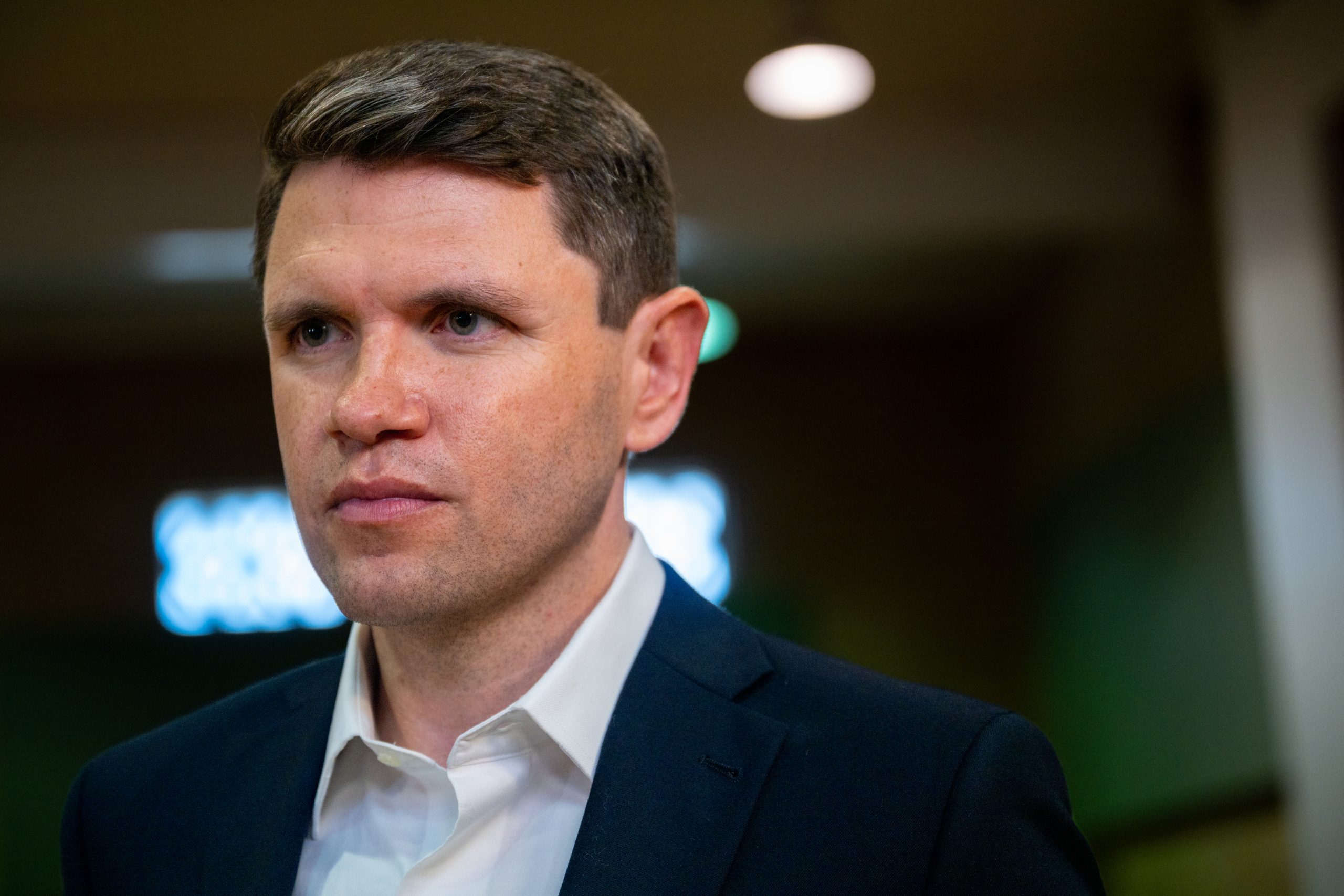

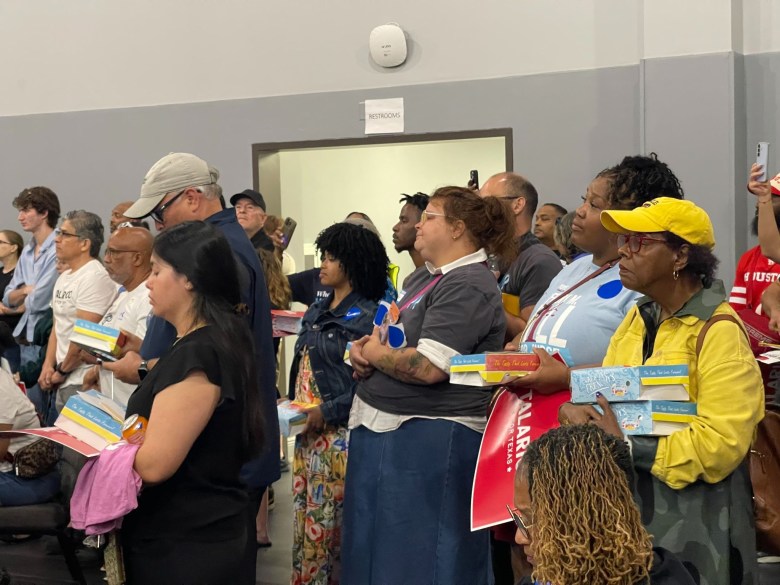
James Talarico, the Democratic U.S. Senate candidate, held another rally in Houston’s historic Third Ward, appealing to Black voters ahead of the midterm elections in November. Polls show that the Texas Senate race is shaping up to be one of the most competitive in the state.
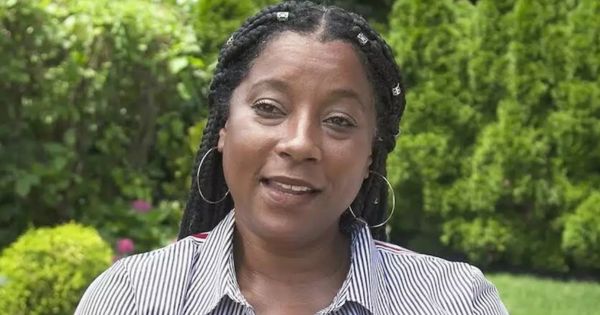
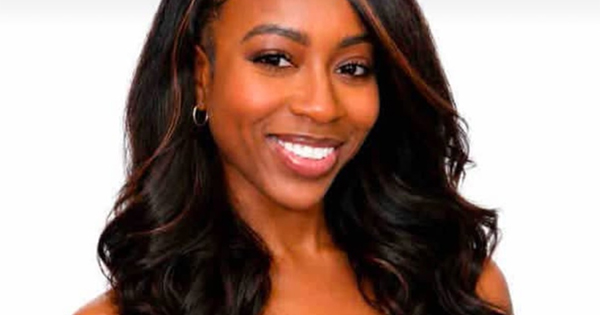
In July, when Talarico held a town hall in Houston, he had pledged $25 million to increase Black voter outreach across the state. Since then, he has hired three Black political operatives, Aisha J. McClendon, Delilah Agho-Otoghile, and Cliff Walker to his team.
His campaign team also partnered with Black-owned communications firms, including Bryson Gillette, Foston International Communications, and Advantage Communications Group.
But, Talarico clarified, he would not break down the dollar amounts by allocation, and his new hires will use the funds to “turn out every single Black voter” across Texas.
“We’re not going to advertise every budget line item to our opponents, but we will report it publicly as we are legally required to do so,” he told the Defender in an interview after the rally. “We just rolled out a bunch of new hires on our campaign, some of the most decorated veteran political operatives who are leading this Black engagement effort, as well as some well-known and well-respected Black-owned political firms.”
Why the push?
Talarico’s appeal to Black voters comes as the Texas Senate race heats up. He has been trying to consolidate his support base among Black voters, a crucial demographic for Democrats in this race.
But prior election cycles have fatigued Black voters in Houston.
Vowing to break the cycle of candidates campaigning and then disengaging after election results are announced, Talarico said he would devise a political infrastructure that extends well beyond election day.
“Well, when I was in the State House [Texas House of Representatives], I had an advisory committee of my constituents to help inform my policies and my decisions,” he added. “We’ll do the same thing statewide when we’re in the U.S. Senate so that my constituents have a way of providing that feedback and shaping the policymaking that we’re doing in Washington.”
To a diverse crowd of attendees at Wheeler Avenue Baptist Church, Talarico touted his eagerness to represent the state’s 4.2 million Black residents.
“As the next U.S. Senator from this state, I will represent the largest number of African Americans of any senator in the country,” Talarico told attendees. “And that work of representing Black Texans doesn’t start the day after Election Day, it starts now.”
Talarico’s campaign promises to Black Texans
Speaking to the Houston crowd, Talarico said he would address maternal mortality, health care disparities, and education in the Black community.
“Texas is facing a crisis where Black mothers are dying at a disproportional rate,” he said. “Harris County, where we’re at right now, is the deadliest place for a Black woman to give birth in the whole country.”
To address the crisis, he said his team has rolled out a plan to implement paid family leave, close maternal care deserts, and improve training and data collection.
If elected, he also pledged to increase funding for HBCUs like Texas Southern University and close the “funding gap” between HBCUs and institutions with similar numbers of low-income students.
Voting rights are among his top priorities.
“We’ve seen the most aggressive attack on Black political power since Jim Crow,” Talarico told the Defender. “We need to pass the John Lewis Voting Rights Act [John R. Lewis Voting Rights Advancement Act of 2025]. We’ve got to ban gerrymandering.”
Is that all?
Standing in the Third Ward, which grapples with gentrification and a consequent rise in living costs, Talarico said he would bring his four-term stint in the state legislature to the U.S. Senate and advocate for better pay for Texans.
This includes his economic mobility plan, which aims to raise pay for Texans, strengthen labor unions, and lower the costs of housing, child care, and prescription drugs.
“It’s not like Texans are spending their money on nice clothes or cars or vacations,” he said. “We are struggling to afford the basics: groceries, gas, utilities, health insurance, the things that we need to survive.”
If Democrats do not control Congress after the midterms and he is elected, Talarico said he would work alongside his Republican colleagues to pass bills that impact low-income residents in the state.
“I brought Democrats and Republicans together to pass 60 bipartisan bills,” he said of his term in the state legislature. “That’s exactly what I’ll do in the U.S. Senate to make progress for Black communities and for all communities across the state of Texas.”
The topic of affordability was relatable to a few of the attendees. But some made it clear that just showing up for rallies will not be enough.

Ursula Wanza, 57, a long-term resident of the Third Ward, said the community responds to rallies like Talarico’s, but it is not enough to gauge if he would visit as often, if elected.
“It’s very important for candidates like Tallarico to visit communities like Third Ward because a lot of times these particular communities are neglected and people don’t take the time to come out to communities like this,” Wanza said. “…just talk to people about their concerns and their needs and to show that he is concerned because a lot of them do not take the time to come out to small communities like this to show that.”
Adding that no candidate is above being held accountable, Wanza said she would expect Talarico to deliver on his promises regarding voting access, affordable maternal health care, groceries, housing, and education.

Referring to the underinvestment in Black communities, Bryan Miller, a septuagenarian East Houston resident, asked Talarico to address inequities in federal investments in the Third Ward.
“We want to make sure that we reinvest in these historical communities and keep them alive,” Miller said. “We want to make sure that they can invest in this property around these areas and build them up so they can continue to thrive.”
Attendees want sustained engagement

As voter turnout concerns loom large, voters like 77-year-old Deborah Adams, a precinct chair from the Pleasantville area, are persuading young voters to participate in the upcoming midterms.
“We need them to register, we need them to get out and vote,” Adams said.
She urged candidates to venture beyond central neighborhoods and visit communities farther east, adding that she wanted to “get my young people involved.”
Donita Conner Bessard, who owns a Third Ward hair salon, said residents are feeling pressure from rising living costs.
“A portion of the Third Ward is primarily like a poverty-stricken district,” Bessard said. “People are already hurting. Now this is another added layer.”
She also pointed to Talarico’s repeated appearances in the Third Ward as a sign of a sustained effort in the community.

“This is my third or fourth time seeing him, so he seems to be engaged,” Bessard said.
She recalled seeing him attend an entire church service at Wheeler Avenue rather than making a brief appearance.
“He stayed the whole service. He knew the words to the church songs. It was just a little difference.”