EFF withdraws from presidential race, questions IEC’s ability to guarantee credible elections
The leader of the Economic Freedom Fighters (EFF) and independent presidential aspirant, Prince Ebrima Sanyang, has questioned the Independent Electoral Commission’s ability to guarantee credible elections after deciding not to submit his nomination papers for the December 2026 presidential election. Speaking at a press briefing held at the Kairaba Beach Hotel on Wednesday, November 11, Sanyang said his decision followed the Commission’s failure to trace his voter registration details in its database, despite his claim that he registered and received a voter card. He explained that he registered in 2016 and again in 2021, when he was issued a voter card at Brufut Primary School. He said a witness who was present during the 2021 registration had sworn an affidavit confirming the registration and issuance of the card. According to Sanyang, he visited the IEC regional office in Brikama on November 7 to apply for a replacement voter card, but officials could not trace his particulars. He was subsequently referred to the Commission’s headquarters in Kanifing, where further searches reportedly produced the same result. He said his lawyers wrote to the IEC Chairman on November 10, requesting an urgent investigation and verification of his registration record, including its restoration if evidence confirmed that he was duly registered. However, with the matter unresolved ahead of his scheduled nomination appointment, Sanyang said he decided against submitting his papers, arguing that proceeding without clarity over his voter status could expose his candidacy to legal challenges. During the question-and-answer session, he expressed doubts about the Commission’s ability to organize credible elections, questioning how it could safeguard the electoral process when it could not trace the registration details of a presidential aspirant. He also questioned whether the incident was an isolated administrative or technical failure or reflected wider weaknesses in the voter registration system. He claimed to have encountered other people with similar experiences, although he did not provide details to establish the scale of the problem. Sanyang called on the IEC to explain what happened to his record, investigate the matter and undertake an independent, comprehensive audit of the voter register. He also urged Gambians to verify their registration details. Citing Section 39 of the Constitution, he maintained that eligible citizens aged 18 and above have the right to register and vote. Despite not submitting his nomination papers, Sanyang clarified that he had not withdrawn from the wider 2026 electoral process. He disclosed that discussions with opposition stakeholders towards forming a broad-based National Unity Coalition were at an advanced stage and could be formalised in the coming days. On his relationship with the Change Front, led by Sulayman Waan, he said the partnership was based on shared ideological beliefs and policy objectives rather than individual popularity or electoral calculations. Sanyang said his lawyers would pursue available legal avenues to establish what happened to his voter registration record and seek accountability.
 Black News
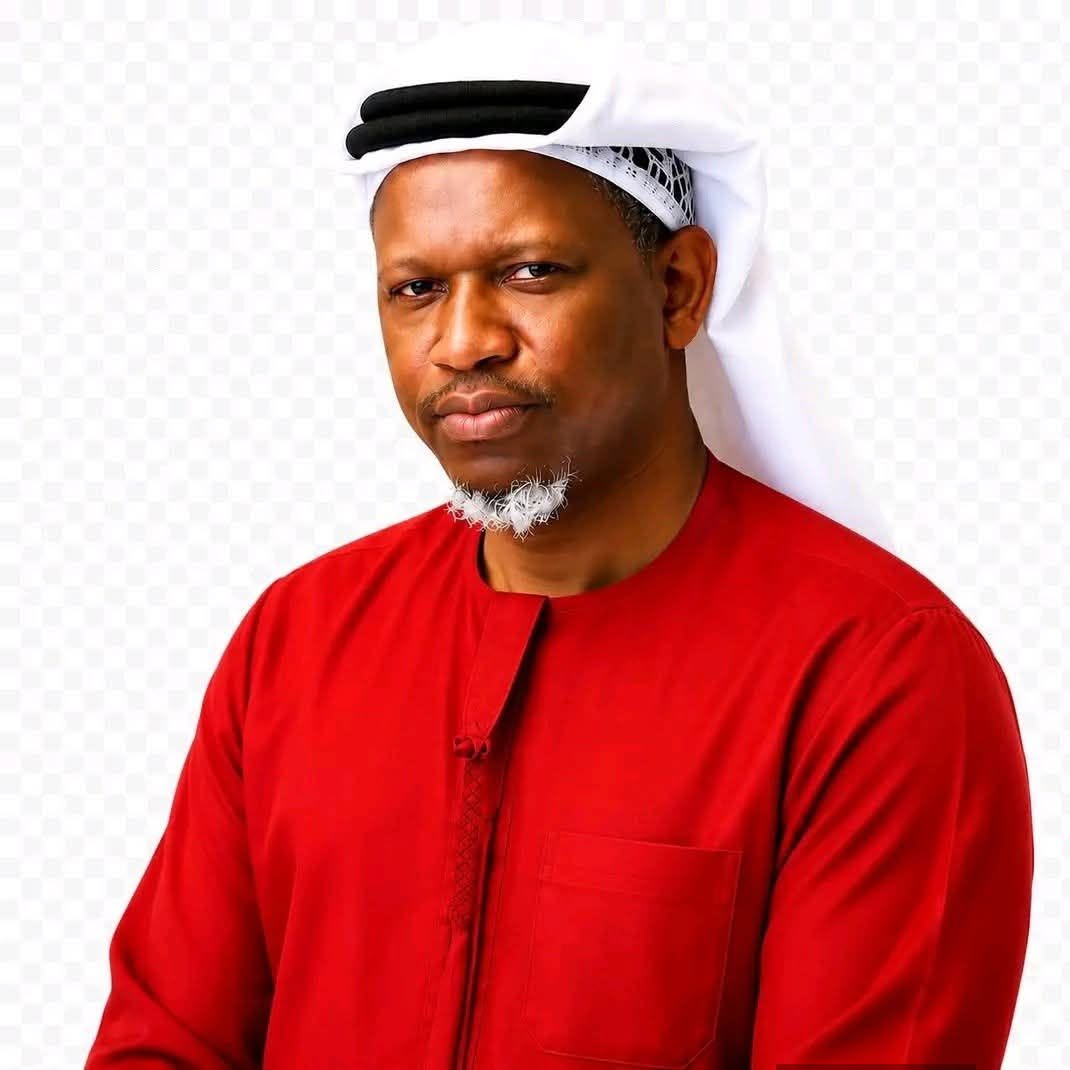
The leader of the Economic Freedom Fighters (EFF) and independent presidential aspirant, Prince Ebrima Sanyang, has questioned the Independent Electoral Commission’s ability to guarantee credible elections after deciding not to submit his nomination papers for the December 2026 presidential election.
Speaking at a press briefing held at the Kairaba Beach Hotel on Wednesday, November 11, Sanyang said his decision followed the Commission’s failure to trace his voter registration details in its database, despite his claim that he registered and received a voter card.
He explained that he registered in 2016 and again in 2021, when he was issued a voter card at Brufut Primary School. He said a witness who was present during the 2021 registration had sworn an affidavit confirming the registration and issuance of the card.
According to Sanyang, he visited the IEC regional office in Brikama on November 7 to apply for a replacement voter card, but officials could not trace his particulars. He was subsequently referred to the Commission’s headquarters in Kanifing, where further searches reportedly produced the same result.
He said his lawyers wrote to the IEC Chairman on November 10, requesting an urgent investigation and verification of his registration record, including its restoration if evidence confirmed that he was duly registered.
However, with the matter unresolved ahead of his scheduled nomination appointment, Sanyang said he decided against submitting his papers, arguing that proceeding without clarity over his voter status could expose his candidacy to legal challenges.
During the question-and-answer session, he expressed doubts about the Commission’s ability to organize credible elections, questioning how it could safeguard the electoral process when it could not trace the registration details of a presidential aspirant.
He also questioned whether the incident was an isolated administrative or technical failure or reflected wider weaknesses in the voter registration system. He claimed to have encountered other people with similar experiences, although he did not provide details to establish the scale of the problem.
Sanyang called on the IEC to explain what happened to his record, investigate the matter and undertake an independent, comprehensive audit of the voter register. He also urged Gambians to verify their registration details.
Citing Section 39 of the Constitution, he maintained that eligible citizens aged 18 and above have the right to register and vote.
Despite not submitting his nomination papers, Sanyang clarified that he had not withdrawn from the wider 2026 electoral process. He disclosed that discussions with opposition stakeholders towards forming a broad-based National Unity Coalition were at an advanced stage and could be formalised in the coming days.
On his relationship with the Change Front, led by Sulayman Waan, he said the partnership was based on shared ideological beliefs and policy objectives rather than individual popularity or electoral calculations.
Sanyang said his lawyers would pursue available legal avenues to establish what happened to his voter registration record and seek accountability.