France targets one million Ugandans with clean water access
France, through the French Development Agency (AFD), is targeting one million additional people in southwestern Uganda with access to clean and safe water, including 200,000 refugees living in Nakivale Refugee Settlement. The programme, supported by the European Union and Germany’s development bank KfW, is part of a wider development partnership aimed at expanding water supply, […] The post France targets one million Ugandans with clean water access appeared first on Daily Star.
 Black News
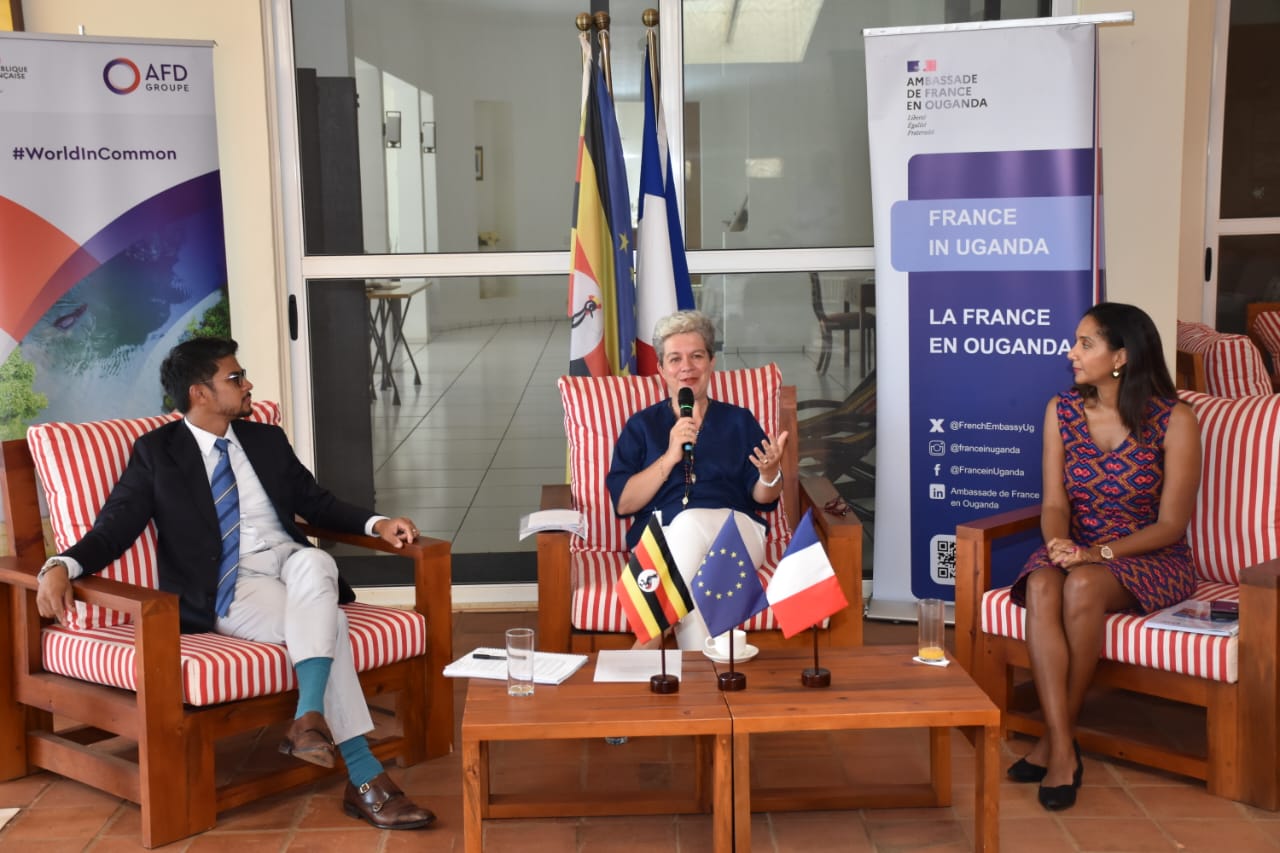
France, through the French Development Agency (AFD), is targeting one million additional people in southwestern Uganda with access to clean and safe water, including 200,000 refugees living in Nakivale Refugee Settlement.
The programme, supported by the European Union and Germany’s development bank KfW, is part of a wider development partnership aimed at expanding water supply, improving electricity access and supporting Uganda’s economic transformation.
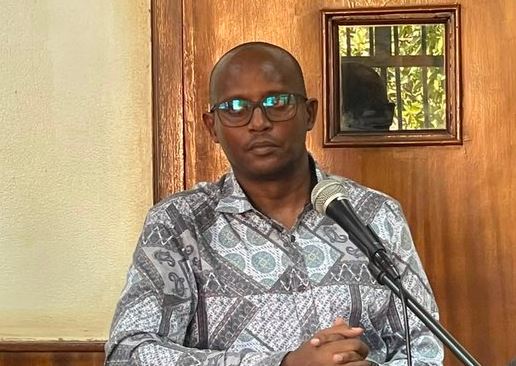
Ari Arivao, AFD Group country director in Uganda, said the agency was working with the National Water and Sewerage Corporation (NWSC) to expand access to reliable water services, building on investments that have already benefited more than five million Ugandans.
Arivao made the remarks at the French Ambassador’s Residence in Kampala during a meeting with Sandra Kassab, head of AFD’s Africa Department, who was visiting Uganda.
“Overall, wherever water is life, it is an enabler of the economy, tourism and the quality of life of the Ugandan population,” Arivao said.
AFD has committed approximately €1.2 billion to development projects in Uganda over nearly three decades, with investments covering water and sanitation, electricity, urban development and access to finance. Water and sanitation account for about half of the agency’s portfolio in the country.
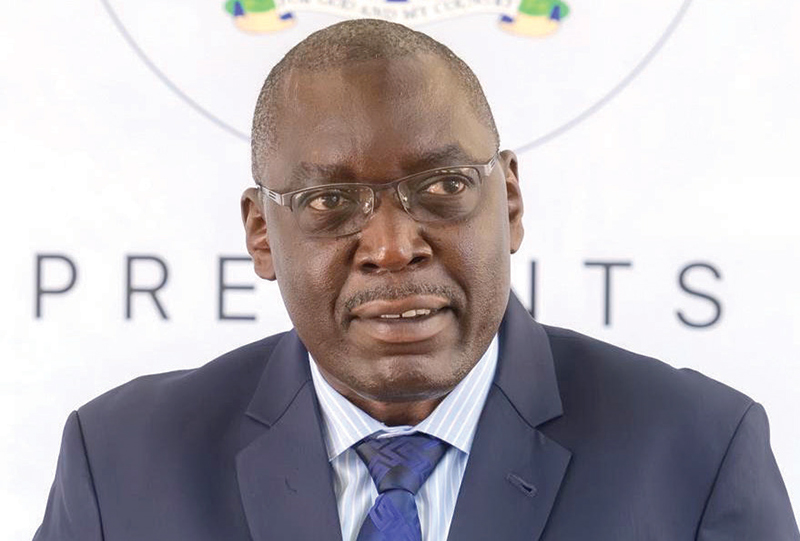
French Ambassador to Uganda Virginie Leroy said the country had undergone significant economic and infrastructure transformation since her first tour of duty between 2014 and 2019.
She said investments in transport infrastructure and regional trade corridors had changed Uganda’s economic outlook, increasingly positioning it as a land-linked country rather than a landlocked one.
“When I left Uganda in 2019, a lot of people were still talking about Uganda as a landlocked country, lacking infrastructure and access to markets. When I came back in 2025, I was really surprised that when you asked about the economy, I was told that Uganda is now a land-linked country,” Leroy said.
She cited the oil pipeline connecting Uganda to Tanzania as one of the major infrastructure investments opening up alternative routes and improving the country’s access to regional and international markets.
Leroy also pointed to investments in infrastructure, agro-industrialisation and agro-processing as important drivers of economic resilience, particularly amid global economic shocks.
She cited the Russia-Ukraine conflict, which disrupted global supplies of fertilisers and wheat, as well as tensions in the Middle East that have pushed up oil, transport and maritime insurance costs.
Despite these pressures, she said Uganda had demonstrated relative resilience, particularly in food security and economic activity, partly supported by growing trade with neighbouring countries.
She pointed to exports to the Democratic Republic of Congo, South Sudan and Rwanda as evidence of the importance of regional economic integration.
Leroy described Uganda’s youthful population as another major economic asset, saying educated young people, entrepreneurs and skilled professionals would be central to the country’s future.
“The young people are the promise of this country. You are the ones who are going to build the solutions for tomorrow,” she said.
She said France wanted to deepen its relationship with Uganda beyond conventional business arrangements through co-investment, knowledge-sharing and cooperation in addressing common development challenges.
Leroy emphasised that the partnership should be based on mutual benefits, with both countries learning from each other rather than treating investment as one-sided assistance.
“Never believe somebody who will tell you that he wants to invest just for you. This does not exist in reality. When we are spending time together, we wish each of us to learn from each other,” she said.
She identified youth employment, skills development, artificial intelligence, climate change and the green economy as priority areas for cooperation.
France is pursuing the partnership through what Leroy described as “Team France”, working alongside the European Union and other development partners to support Uganda’s development priorities.
On her part, Kassab said AFD was proud of its partnership with NWSC, which has helped improve access to reliable water services for more than five million people.
During her visit, Kassab toured the Katosi Water Treatment Plant, where she commended NWSC for investing in water infrastructure while taking environmental sustainability into consideration.
The delegation also visited the Kiira and Nalubaale hydropower installations along the Nile to assess investments supporting Uganda’s electricity generation capacity.
Kassab said cooperation in the energy sector was important in improving the reliability and sustainability of electricity supply through diversified energy sources and technologies.
AFD is also working with Ugandan and European partners to improve electricity network management and deploy technology to support stable power distribution.
The agency is supporting last-mile electricity infrastructure in 34 districts and plans to extend the programme to 16 additional urban districts, bringing the total to 50.
Arivao said AFD was working with the European Union to mobilise grant funding for last-mile electricity connections, which remain among the most expensive components of extending power infrastructure to underserved communities.
Beyond electricity, the agency is supporting clean cooking initiatives and agricultural value chains, including coffee and agro-industrialisation.
In the financial sector, Kassab said AFD was working with financial institutions, including Pearl Bank, to improve access to financing for entrepreneurs, farmers and agro-industrial businesses.
The delegation visited a Pearl Bank branch in Mukono and a grain-processing business to assess the financing needs of small and medium-sized enterprises and the role of local processing in value addition and food security.
AFD’s affordable financing programmes have benefited more than 30,000 farmers by improving access to capital for agricultural production and related businesses.
The delegation also visited a sugar factory that uses biomass cogeneration to generate electricity for its operations. The factory provides up to 11,000 jobs.
Kassab said the investment demonstrated how industrial development could create employment while incorporating environmentally sustainable energy solutions.
She said AFD’s work in Uganda was part of broader efforts to strengthen Africa-Europe relations through investments that create jobs, expand economic opportunities and address shared development challenges.
She argued that Africa’s prosperity and industrialisation could also benefit Europe, given the growing economic interdependence between the two continents.
Kassab cited regional cooperation in geothermal energy involving partners in Uganda and Kenya as an example of how countries could share expertise and develop common solutions.
Her visit to Uganda followed the Africa Forward Summit held in Nairobi, Kenya, from May 10 to 12, 2026. The summit brought together governments, private companies, entrepreneurs and cultural actors to discuss stronger Africa-Europe cooperation and investment.
The post France targets one million Ugandans with clean water access appeared first on Daily Star.