Clean cities need more than two-week campaigns
DAR ES SALAAM: THE government’s decision to launch a two-week campaign to restore cleanliness in major cities is welcome but should also make us uncomfortable. We must honestly admit that we have not been doing our duty. It is particularly shameful that President Samia Suluhu Hassan has had to call publicly for cities to be … The post Clean cities need more than two-week campaigns appeared first on Daily News.
 Black News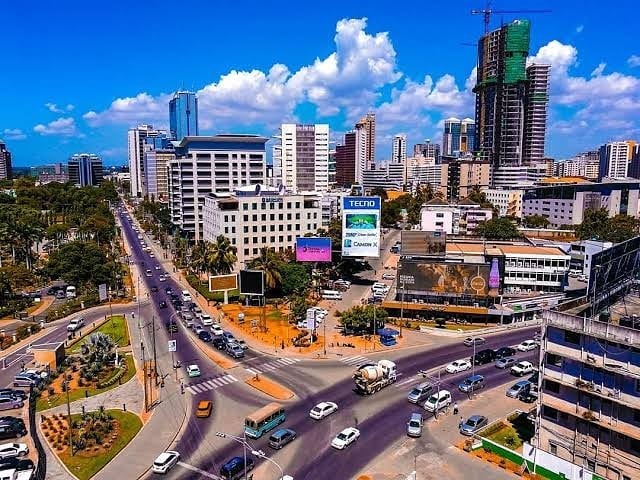
DAR ES SALAAM: THE government’s decision to launch a two-week campaign to restore cleanliness in major cities is welcome but should also make us uncomfortable.
We must honestly admit that we have not been doing our duty. It is particularly shameful that President Samia Suluhu Hassan has had to call publicly for cities to be kept clean.
Urban cleanliness is not a new responsibility created by a presidential directive. It is a basic obligation of local government authorities that should be discharged every day.
We have health inspectors and other responsible officials at regional, municipal, council, division and ward levels
. What, then, are they doing while heaps of garbage accumulate in markets and residential areas? Why do we see sewage flowing from broken systems onto public roads?
Why are markets allowed to become filthy environments and later expose residents to diseases such as cholera? More troubling is that officials can fail in these basic duties without anyone apparently being held to account.
Local government leaders, ward executives and regional authorities must answer for what happens under their watch.
A system in which officials can ignore overflowing garbage, sewage and obvious sanitation hazards without consequence is itself part of the problem. Kariakoo is a glaring example of the problem.
As Dar es Salaam’s busiest commercial hub, it handles enormous volumes of people, traffic and waste every day.
ALSO READ: Cities, towns widen anti-litter crackdown
Yet traders and the public continue to contend with overflowing sewage, clogged drainage and piles of uncollected garbage, including along busy streets such as Uhuru and Msimbazi. Traders also pay local levies intended to support services such as cleaning.
Keeping Kariakoo clean does not require rocket science. Regular garbage collection, functioning drainage and sewage systems, effective enforcement and proper supervision are within our means.
When such basic responsibilities are repeatedly neglected, it is dereliction of duty.
The directive by Minister of State in the Prime Minister’s Office–Regional Administration and Local Government Prof Riziki Shemdoe should therefore not become another short-lived cleaning exercise.
His requirement for councils to submit plans for collecting and processing solid and sludge waste is important because lasting cleanliness requires functioning systems, not occasional clean-ups.
We particularly welcome the decision to make cleanliness a permanent agenda item in local government meetings and introduce key performance indicators to measure council performance.
This can shift the focus from directives to measurable accountability.
The real change, however, must begin with mindset. Cleanliness is not a campaign. It is the job of those entrusted with managing our cities. Residents and businesses also have a responsibility.
The post Clean cities need more than two-week campaigns appeared first on Daily News.