
Burundians, Tanzanians affected by Kenya’s sweeping immigration crackdown get 90-day grace period
Kenya has given foreign traders 90 days to regularise their immigration status and business operations, offering a temporary reprieve to nationals from Burundi, Tanzania, Uganda, Rwanda and other countries caught up in the government’s crackdown on foreign participation in small-scale trade.
 Black News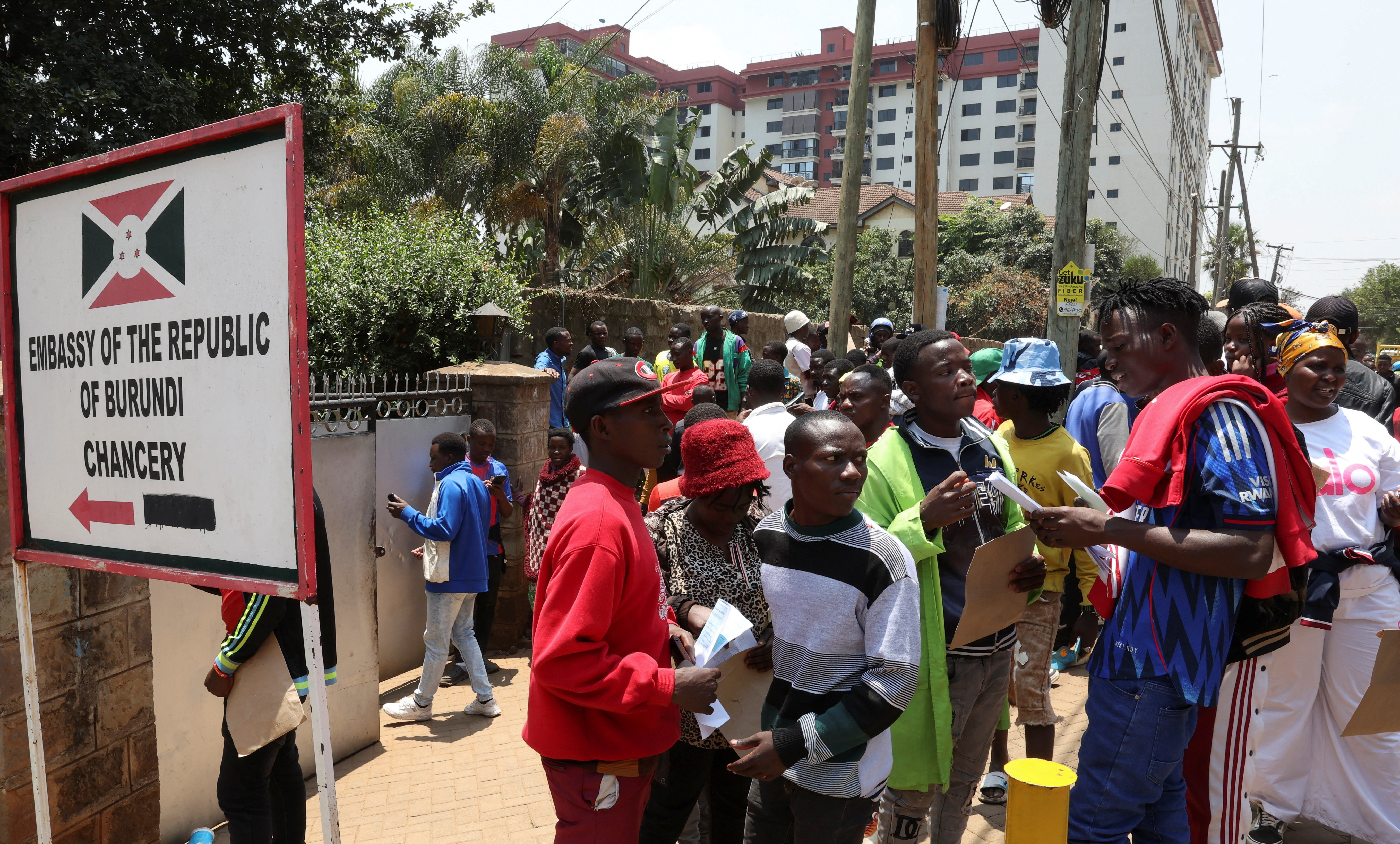

Kenya has given foreign traders 90 days to regularise their immigration status and business operations, offering a temporary reprieve to nationals from Burundi, Tanzania, Uganda, Rwanda and other countries caught up in the government’s crackdown on foreign participation in small-scale trade.
- Kenya has granted foreign traders a 90-day period to regularise their immigration and business status.
- The grace period comes after uncertainty among foreign nationals, especially Burundians, who feared immediate expulsion or closure of their businesses.
- During this period, government agencies will assist traders fairly and non-discriminatorily.
- Kenya emphasizes that the policy aims to protect local economic opportunities while upholding lawful foreign investment.
The announcement comes after days of uncertainty among foreign traders, with Burundians bearing some of the most immediate impact.
During the 90-day period, relevant government agencies will provide guidance and administer the requirements “fairly, consistently and without discrimination,” according to a September 8 statement from State House spokesperson Hussein Mohamed.
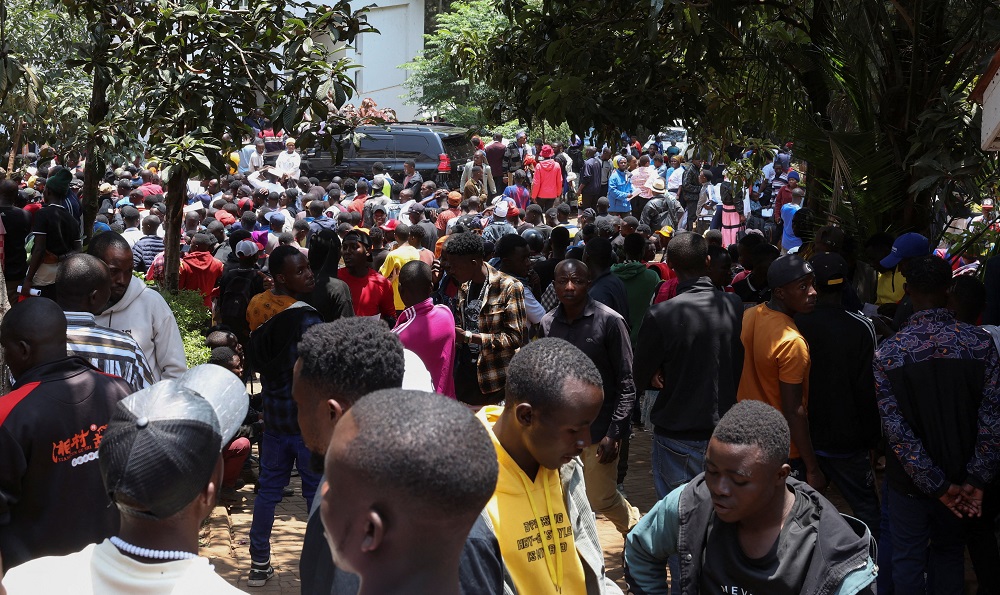
Hundreds are currently gathered at the Burundian Embassy in Nairobi seeking travel documents, while others began considering returning home or closing their businesses amid fears they would be forced out of Kenya.
Tanzanian authorities, meanwhile, are assessing whether Kenya’s restrictions are consistent with the East African Community Common Market Protocol, while Ugandan, Rwandan and other foreign traders have reportedly kept away from businesses or considered returning home as they await clarity on their status.
DON'T MISS THIS: Kenya escalates war against foreign hawkers with tougher immigration measures despite visa-free entry
The Kenyan government has now shifted from an immediate enforcement threat to a 90-day regularisation window, giving affected foreigners time to obtain the required immigration documents, work permits, business registrations and licences.
At the end of the period, however, Kenya says immigration, work-permit, registration and licensing requirements will be enforced “firmly and strictly” in accordance with the law and due process.
This makes the 90 days both a grace period for affected traders and a deadline for compliance.
Kenya draws a line between enforcement and harassment
The government has also sought to make clear that the immigration exercise is not a licence for targeting or harassing foreigners.
State House said only duly authorised government agencies have the responsibility to interpret, implement and enforce the law. It warned that individuals or groups who “harass, intimidate, threaten or interfere with foreign nationals or their businesses” will face action under Kenyan law.
President Ruto also reaffirmed Kenya’s commitment to protecting the rights and legitimate interests of foreign nationals who are lawfully resident, employed, investing or conducting business in the country.
At the same time, the President has directed Parliament to expand the Local Content Bill, 2025, to create a clearer framework for determining which categories of small-scale economic activity could be reserved for Kenyan citizens.
DON'T MISS THIS: Top 10 African countries with the most foreign nationals legally permitted to live in South Africa
The government said the policy is intended to protect economic opportunities for Kenyans, particularly within the micro and small-enterprise sector, while maintaining Kenya’s openness to lawful foreign investment, enterprise and employment.
The move also comes with a regional balancing act. Kenya reaffirmed its commitment to the East African Community, regional integration and the African Continental Free Trade Area, saying the movement of people, labour, services and capital would continue within applicable legal and regulatory frameworks.
For foreign traders, the 90-day period therefore represents both a grace period and a deadline: those operating legally will retain protection, while those unable to regularise their status or meet business requirements could face enforcement once the window closes.