5 Common Pitfalls to Avoid in Midterm Election Reporting
Avoid these five critical election reporting errors before, during and after the next cycle.
 Black News
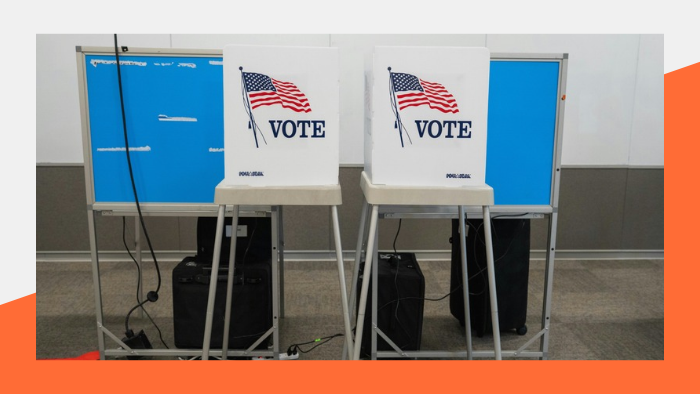

Photo by Jesse Paul on Unsplash
When it comes to election reporting, be careful. The rush to be first can lead to being the first to get it wrong. Effective election coverage requires a laser focus on accuracy for journalists to protect their professional integrity while still providing the public with the updates they need. In this post, we’ll break down several common mistakes in election reporting.
Avoid these critical errors when framing early results, poll data and vote tabulations.
1. Misinterpreting Partial Returns
Early returns are rarely representative samples. Because different jurisdictions process mail-in, early and day-of ballots at different intervals, the initial data often reflects the order of counting rather than the intent of the electorate. Avoid premature conclusions when initial counts favor one party prior to full tabulation.
To maintain accuracy, you should audit the source of the lead and differentiate between a candidate leading because of geographic strongholds versus a lead generated by a specific ballot type (e.g., mail-in vs. in-person).
2. Over-Relying on “Horse Race” Polling
Focusing solely on who’s leading distracts from policy impact and voter access issues. When polling data indicates a shift in voter behavior, it can be tied to policy access or administrative changes, not just sentiment.
Don’t conflate the data with certainty; polls are a snapshot of the moment. Systemic variables—voter access issues, long lines or machine malfunctions, for example—will also have an impact on the outcome. Acknowledge that the process of voting is as significant as the result itself.
3. Falling for “Amplification Traps”
Half of journalists told Cision that accuracy, fact-checking and combating misinformation is their biggest challenge. Avoid becoming part of the problem and resist the temptation to amplify sensationalism for the sake of engagement. Debunk false narrative claims without giving fringe conspiracies wider distribution.
A handy trick is the “Truth Sandwich” method: state the fact, mention the lie briefly only to debunk it, and then reiterate the fact. It’s about knowing when to remain silent to avoid giving a platform to the “amplification trap.”
4. Ignoring Local Election Administration
Don’t overlook the clerks, volunteers and local processes that actually make elections function. Humanize the process for your readers by providing details about local election officials and the specific laws governing their tabulation process.
If you need to connect with an election expert for your next story, submit a query via ProfNet, PR Newswire’s database of industry and subject matter experts.
5. Conflating Polling Margins with Certainty
Remember margin-of-error parameters when analyzing tight local or regional races. In tight midterm elections, a two-point lead is often statistically insignificant. Treat these margins as a “too close to call” scenario rather than a definitive trajectory.
The AP, a trusted source of election news, asks a simple question when looking at tabulations: “Can the trailing candidates catch the leader? Only when the answer is an unquestionable “no” is the race ready to be called.”
Head Into Election Day with Patience
When it comes to election reporting, patience is crucial. As the AP recently explained, “It takes time to get things right. The best things always do. And it’s time well spent when it comes to something as important as making sure the voice of every voter is heard via their ballot.”
Avoid these five critical election reporting errors before, during and after the next cycle.