World’s third-largest crude importer risks US sanctions as Russia deepens oil ties with India and Africa
India, the world’s third-largest oil importer and consumer, is facing renewed sanctions risk over its growing purchases of Russian crude, even as Moscow expands its energy trade with India and African markets.
 Black News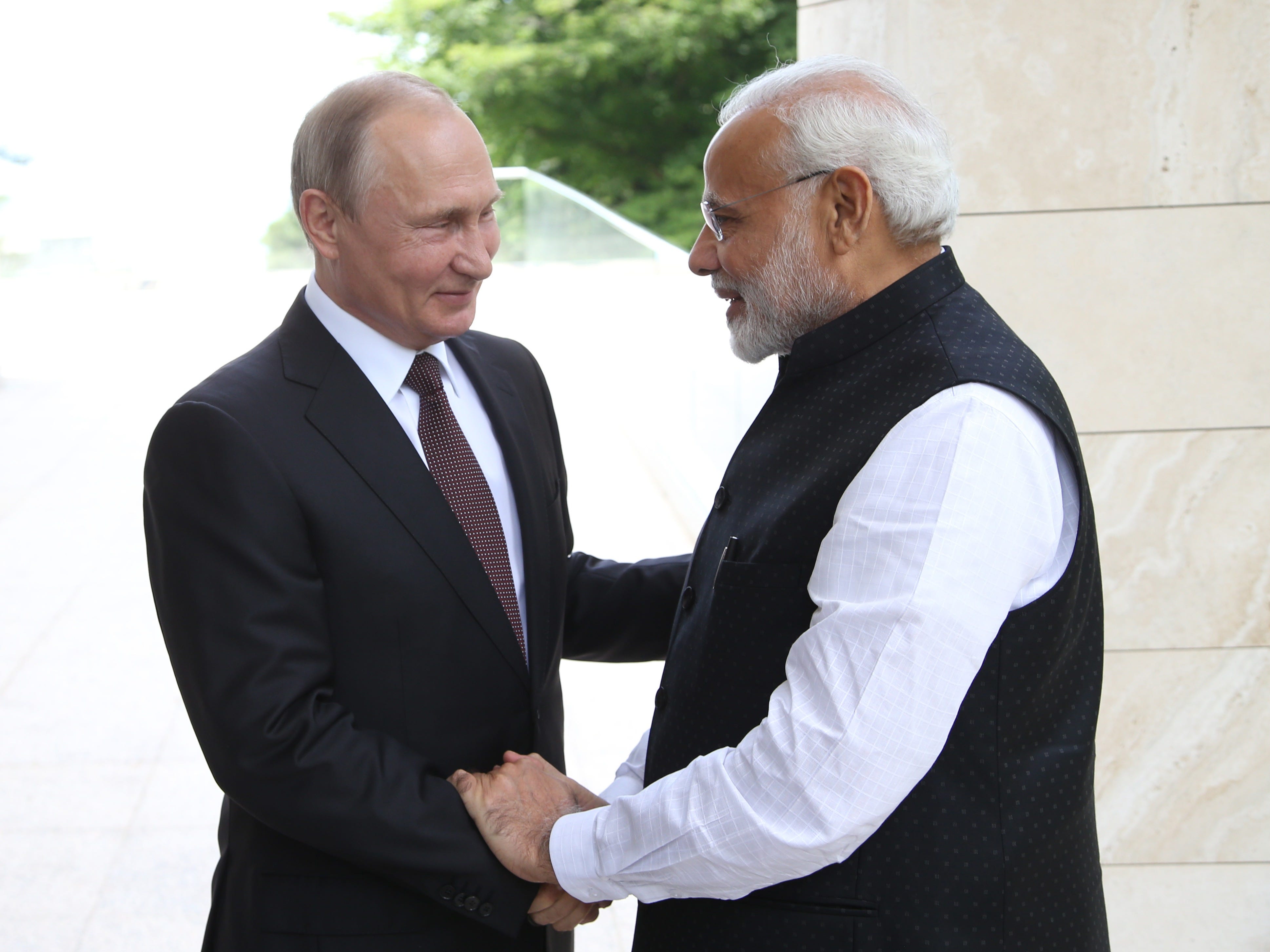
India, the world’s third-largest oil importer and consumer, is facing renewed sanctions risk over its growing purchases of Russian crude, even as Moscow expands its energy trade with India and African markets.
- India is facing increased sanctions risk from the US over its rising imports of Russian crude oil, even as Moscow strengthens energy ties with India and Africa.
- Russian Ambassador to India emphasized Moscow's willingness to supply as much oil as India needs, arguing sanctions have limited alternatives.
- In July, Russian crude accounted for more than half of India's oil imports, solidifying Russia as India’s largest crude supplier.
- New US legislation proposes severe tariffs on countries buying Russian energy, but resistance in Congress has delayed its passage, offering India some temporary relief.
Despite proposed US tariffs targeting countries that buy Russian oil, Russia says it will remain a key crude supplier to India.
Oilprice.com reports that Russian Ambassador to India Denis Alipov told Asian News International (ANI) that Moscow is prepared to meet India’s demand, arguing that sanctions and tariffs have prevented other suppliers from offering better deals.
“We would be ready to supply as much oil as India needs,” Alipov said.
DON'T MISS THIS: Russia and Saudi oil shipments take rare, longer route around Africa as Red Sea risks escalate
He added that excluding Russian crude would put pressure on global energy markets, saying, “The world will not cope if Russian oil is excluded."
The exposure has increased after Russian crude accounted for more than half of India’s oil imports in July, according to trade-flow data.
India imported about 2.78 million barrels per day (bpd) of Russian crude during the month, compared with total crude imports of roughly 4.96 million bpd, according to Kpler data reported by Indian media.
Separate Reuters data put Russia’s share at 50.83%, or 2.47 million bpd, highlighting differences between cargo-tracking methodologies. Both datasets, however, point to the same trend: Russia remained by far India’s largest crude supplier in July.
India’s reliance on Russian crude comes as Washington continues to consider tougher measures against countries buying Russian energy.
DON'T MISS THIS: African oil giants Nigeria, Algeria and Angola watch as Russia turns to India for fuel after Ukrainian strikes hit refineries
US sanctions threat puts India in a difficult position
The US Senate passed the Lindsey O. Graham Sanctioning Russia and Iran Act on August 7. The legislation would allow the US to impose secondary tariffs of up to 100% on imports from countries that continue to purchase Russian crude or natural gas, with major Russian energy buyers such as India among those potentially exposed.
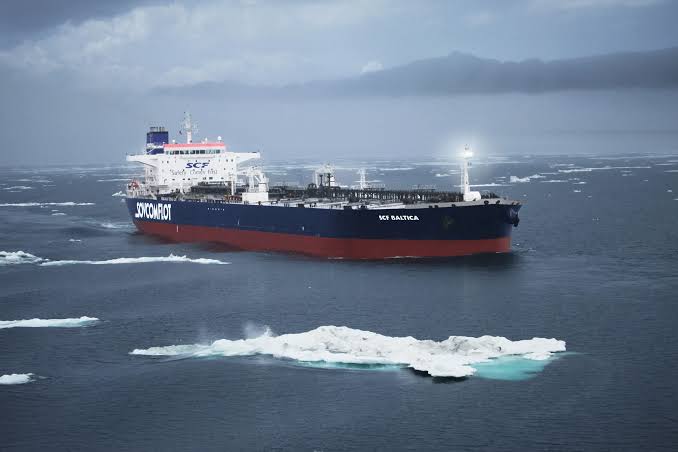
The measure, however, has not become law. The legislation is facing resistance in the House of Representatives, with concerns over the potential impact on oil prices and the broader US economy. Recent reports indicate that the bill could remain stalled until after the November US midterm elections.
That gives New Delhi some breathing room, but does not eliminate the risk.
India has already said it is closely monitoring the legislation while maintaining that its energy-import decisions are guided by national priorities and energy-security requirements.
DON'T MISS THIS: U.S. unlocks access to stranded Russian oil cargoes as African fuel importers eye gains
The country's dependence on imported crude makes the issue particularly sensitive. India meets more than 90% of its oil requirements through imports and is the world's third-largest oil importer and consumer.
Russia is building a wider energy network across emerging markets
For Moscow, India's importance goes beyond crude sales. Russia and India have developed a payments system using the rouble and rupee, with the currencies now facilitating 96% of bilateral trade, according to Russian banking officials cited by Reuters. Bilateral trade reached a record $70 billion in 2024, driven partly by India's increased purchases of discounted Russian oil.
Russia's energy relationship with Africa is developing along a parallel track, particularly in refined petroleum products.
Russian oil-product exports to Africa reached about 330,000 bpd in June, according to S&P Global Commodities at Sea data. North and West African markets have become significant destinations for Russian gasoil, leaving several countries exposed when Moscow introduced restrictions on diesel and gasoil exports in July.
The African connection gives Russia another important outlet for its energy exports while allowing Moscow to deepen commercial relationships with countries outside the Western sanctions coalition.
For India, the relationship is also increasingly important because its large refining industry can convert imported crude into fuels for domestic consumption and international markets. India is the world's fourth-largest refining centre, with 23 refineries capable of processing about 5.6 million bpd.
The result is a growing energy chain in which Russian crude feeds India's refining system while Russian petroleum products also flow directly into African markets.
DON'T MISS THIS: Russia finally imports gasoline from an African country as Ukrainian drone strikes squeeze fuel production
That network could become increasingly important if Western sanctions tighten further. But it also means India sits at the centre of a geopolitical energy trade increasingly vulnerable to US policy, shipping disruptions and competition from China for Russian barrels.
Indeed, India's Russian crude imports fell sharply in August as Russian supply tightened and Chinese refiners increased their purchases, demonstrating how quickly competition among major Asian buyers can reshape Moscow's oil flows.
For now, the US sanctions threat has not severed India's relationship with Moscow. Instead, it has turned Russian oil into a strategic balancing act for New Delhi—one that increasingly links the world's major emerging-market energy buyers, from India to Africa, with Russia's effort to maintain its global oil trade.