World's largest cobalt producer investigates secret China exports "exposed" by U.S. and French investigators in a war-torn region in Africa
The Democratic Republic of Congo (DRC), the world’s largest cobalt producer, has launched an official investigation into reports that its cobalt exports, a major share of which goes to China, contain uranium levels above internationally accepted limits.
 Black News

The Democratic Republic of Congo (DRC), the world’s largest cobalt producer, has launched an official investigation into reports that its cobalt exports, a major share of which goes to China, contain uranium levels above internationally accepted limits.
- The DRC has launched an official investigation into reports of uranium contamination in cobalt exports, primarily sent to China.
- The investigation follows reports that Chinese firms exported cobalt hydroxide containing significant uranium from the DRC.
- Estimates suggest 2000–5000 tonnes of uranium may have been exported with cobalt since 2000.
- A special working group will partner with local and international labs and the IAEA to verify data.
Cobalt is a key metal used to make batteries for electric cars and electronics, but new reports suggest that a significant level of uranium is being exported along with it.
The Reason for the Investigation
The decision by the DRC government comes after an investigation published by the Financial Times and Lighthouse Reports, as well as the Nature Communications journal.
According to the reports, Chinese companies had extracted and exported shipments of cobalt hydroxide containing significant quantities of uranium from the war-torn country.
DON'T MISS THIS: America wants Africa’s rare earths. Can the continent turn Trump’s $3 billion push into jobs, factories and billions in investment?
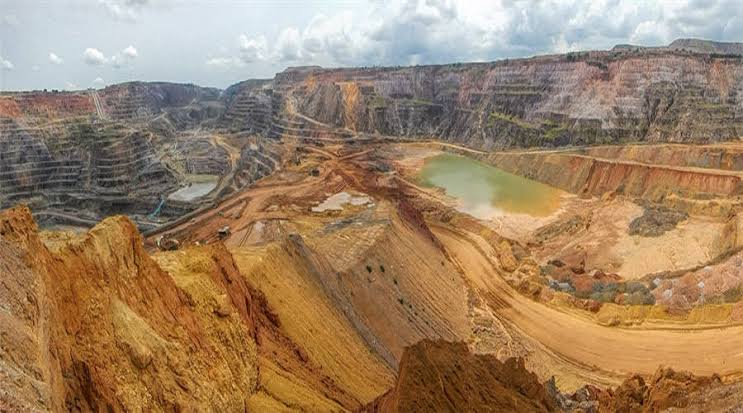
Uranium is a radioactive material that occurs naturally in the same region where copper and cobalt are mined.
While mining uranium is currently banned in the DRC, it often gets mixed in with cobalt during the mining process.
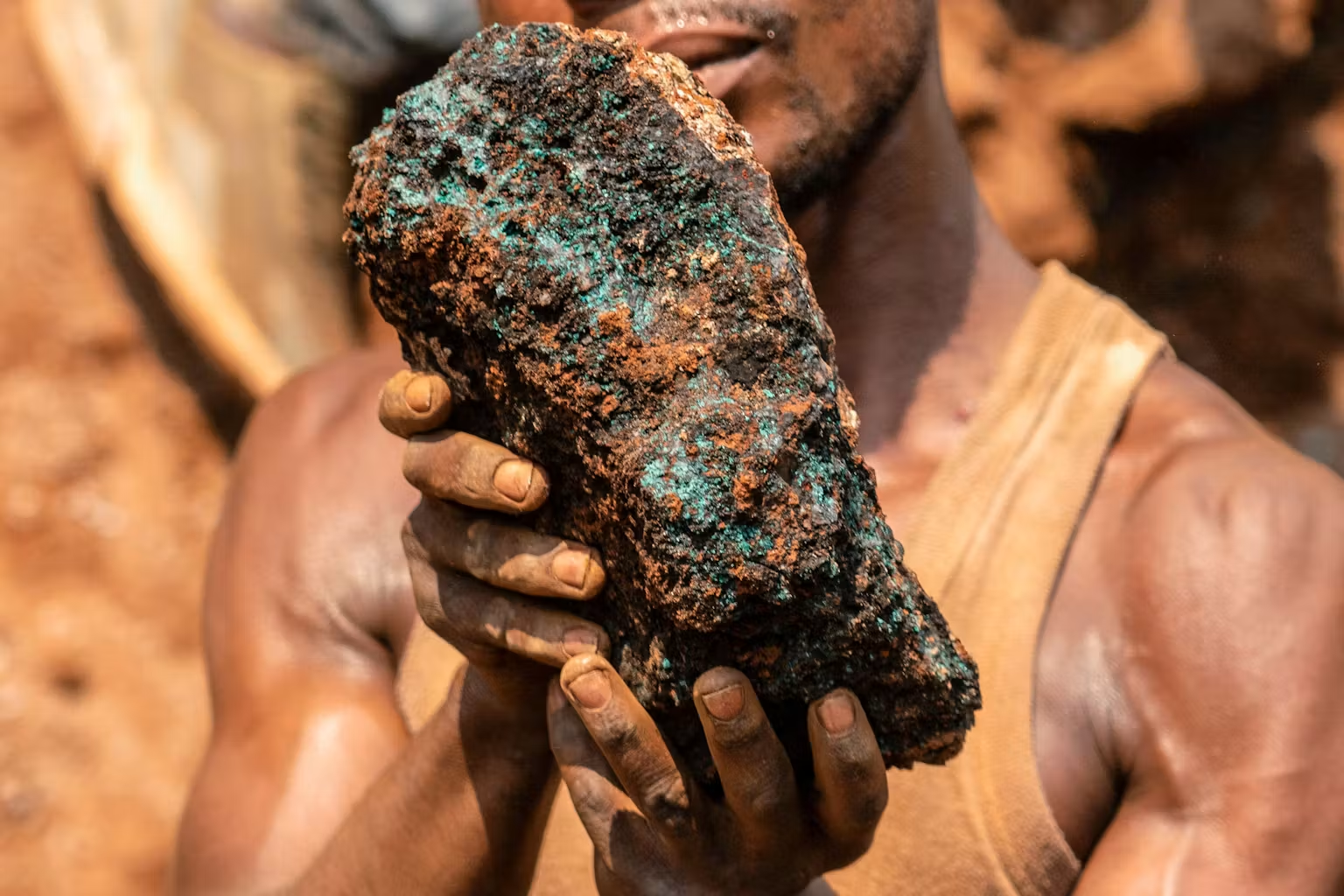
This has led to serious concerns, including health risks for mining workers and the rejection of cobalt shipments by international buyers.
There are also worries from nuclear experts about the build-up of unmonitored radioactive material.
For a deeper understanding of the allegations, Business Insider Africa has published an article on the co-published investigative report.
DON'T MISS THIS: The world's top cobalt producer in Africa is rewriting its mining rules, risking investor confidence
As a follow-up, a report on China’s denial of the allegations was also published.
Thereafter, Business Insider Africa published an article on the Democratic Republic of Congo’s response, including its decision to ban the export of cobalt concentrates to prevent the indirect export of uranium and support local processing of raw materials.
The scale of the problem
According to the Nature Communications report, “approximately 2000–5000 tonnes of uranium were likely shipped out of the DRC alongside cobalt hydroxide” between the years 2000 and 2024, despite a 2002 mining-code amendment designating uranium as a restricted material.
However, the DRC government has raised some questions about these numbers. Officials pointed out that the study was based on mathematical modeling rather than direct measurements of the actual shipments.
According to the Financial Times, DRC government is starting its own "counter-verification process" to get more accurate data.
Next steps and safety measures
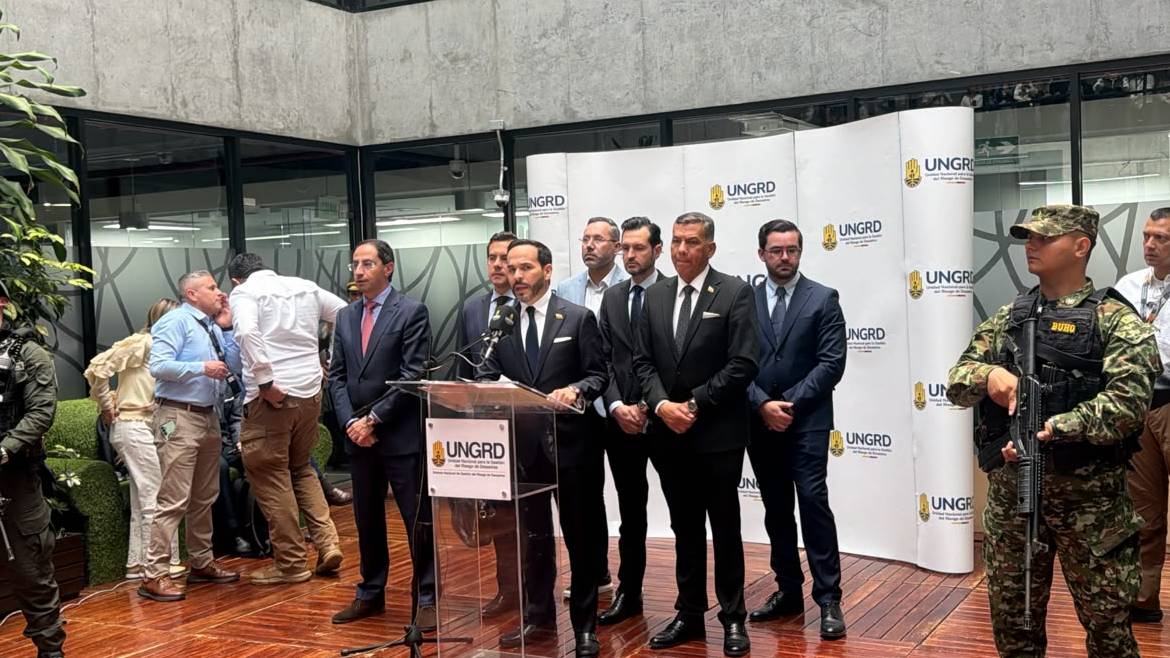
The DRC government has formed a special working group to look into the findings. This group will include the country’s nuclear safety and energy agencies, along with help from both national and international laboratories.
They also plan to consult with the International Atomic Energy Agency (IAEA), the world's nuclear watchdog, for technical support.
DON'T MISS THIS: The country behind over 70% of the world’s cobalt says Middle East conflict won’t derail critical mineral supplies
To prevent further issues, the government is planning to install radiation detectors for trucks leaving the country.
This will help monitor the cobalt hydroxide—the specific form of cobalt exported to places like China to ensure it is safe.
The government has stated that it will take about 60 days to assess the health and environmental risks. After that, they plan to share their findings and explain how they will respond to the problem.
Despite these new concerns, officials noted that the country has managed the coexistence of uranium and cobalt for over a century and remains committed to following international safety rules.