UOC updates on Team Uganda ahead of historic Dakar 2026 Youth Olympic Games
The Uganda Olympic Committee (UOC) this weekend provided an update on Team Uganda’s preparations for the 2026 Youth Olympic Games in Dakar, Senegal, with the country set to send one of its largest delegations to the Youth Olympic Games. The Games, scheduled for 31 October to 13 November 2026, will be particularly significant as Dakar becomes […] The post UOC updates on Team Uganda ahead of historic Dakar 2026 Youth Olympic Games appeared first on Kawowo Sports.
 Black News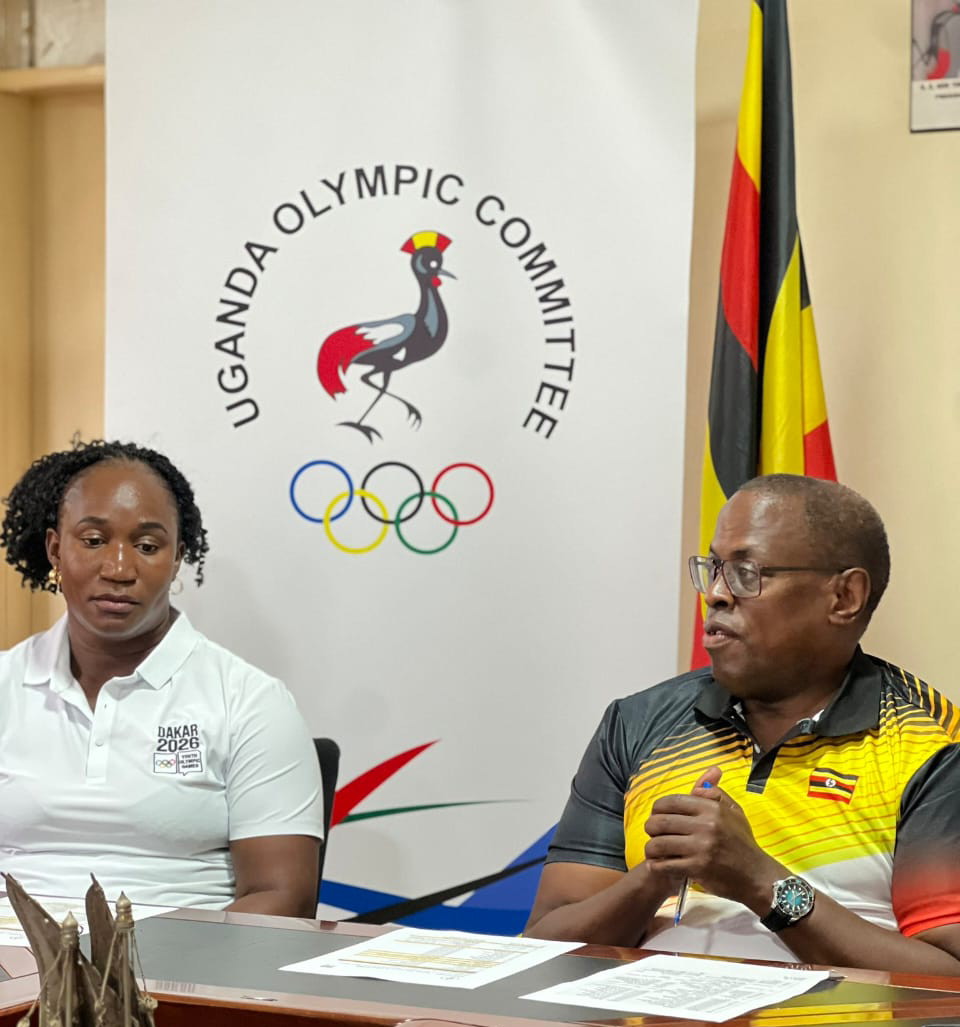

The Uganda Olympic Committee (UOC) this weekend provided an update on Team Uganda’s preparations for the 2026 Youth Olympic Games in Dakar, Senegal, with the country set to send one of its largest delegations to the Youth Olympic Games.
The Games, scheduled for 31 October to 13 November 2026, will be particularly significant as Dakar becomes the first African city to host the Youth Olympic Games.
Speaking during the presser on Team Uganda’s preparations, UOC President and Commonwealth Games Uganda President Dr Donald Rukare said the committee was encouraged by the progress made by Uganda’s young athletes and the opportunities the Dakar Games present for the country’s sporting future.
Uganda will have athletes competing across seven sporting disciplines, with a confirmed delegation of 25 athletes: seven women and 18 men. The disciplines include athletics, badminton, road cycling, coastal rowing/beach sprints, rugby sevens, swimming and table tennis.
The size of the delegation has been boosted by the qualification of Uganda’s men’s rugby sevens team, marking an important addition to the country’s participation at the Games.
“Team Uganda is ready for Dakar 2026. Preparations have been ongoing,” said Lydia Damuzungu, the Chef de Mission for Team Uganda.
Damuzungu noted that several of the athletes have already gained valuable international experience in competitions leading up to the Youth Olympic Games. She highlighted Uganda’s athletics contingent, with at least two athletes having won medals in Algeria, as one of the reasons for optimism ahead of Dakar.
She added that Uganda’s participation carries significance beyond competition, as the country prepares to showcase its young talent on the first African edition of the Youth Olympic Games.
“This is a great opportunity for us to showcase talent, excellence and determination as Team Uganda,” Damuzungu said.
For UOC Secretary General Beatrice Ayikoru, the Dakar Games are an important part of Uganda’s long-term athlete development pathway.
She explained that the Youth Olympic Games provide a platform through which young athletes can gain experience before progressing to senior-level competitions, including the Los Angeles 2028 Olympic Games.
“As we prepare for LA28, this is the pathway, because normally we start with the smaller Games and then we take on the bigger ones,” Ayikoru said.
She expressed confidence in the young athletes travelling to Dakar, saying their development and recent performances provide reason for optimism about Uganda’s future Olympic prospects.
Rukare similarly stressed that Dakar should not be viewed as an isolated competition, but as part of a broader pathway towards future African Games, World Championships and senior Olympic Games.
He explained that qualification for Los Angeles 2028 will depend on the qualification systems of the respective international federations, with several qualification processes expected to become increasingly active over the coming period.
For swimming, for example, he pointed to the upcoming World Championships in Beijing as one of the important competitions along the Olympic qualification pathway.
One of the major developments in Uganda’s Dakar preparations is the late addition of men’s rugby sevens to the delegation.
Rukare described the qualification as a welcome development, particularly because rugby provides Uganda with an opportunity to compete as a team sport at the Youth Olympic Games.
The addition has also influenced the gender composition of the delegation, with the 25 confirmed athletes comprising 18 men and seven women.
While the numbers are not evenly split, UOC explained that the imbalance is largely a result of the inclusion of the men’s rugby sevens team.
Uganda’s allocation to the Games, Rukare explained, is determined through criteria established by the International Olympic Committee (IOC) and the respective International Federations, taking into account international rankings and performances.
He stressed that individual federations do not simply choose the number of athletes they wish to send. For athletics, for example, the IOC allocated Uganda specific events, and it was then the responsibility of the federation to identify athletes capable of meeting the required standards.
With more than 35 sports represented at the Youth Olympic Games, Uganda qualifying athletes in seven disciplines was described by Rukare as a significant achievement.
Beyond competition, Team Uganda’s Dakar delegation will also include mentors and role models intended to inspire the young athletes.
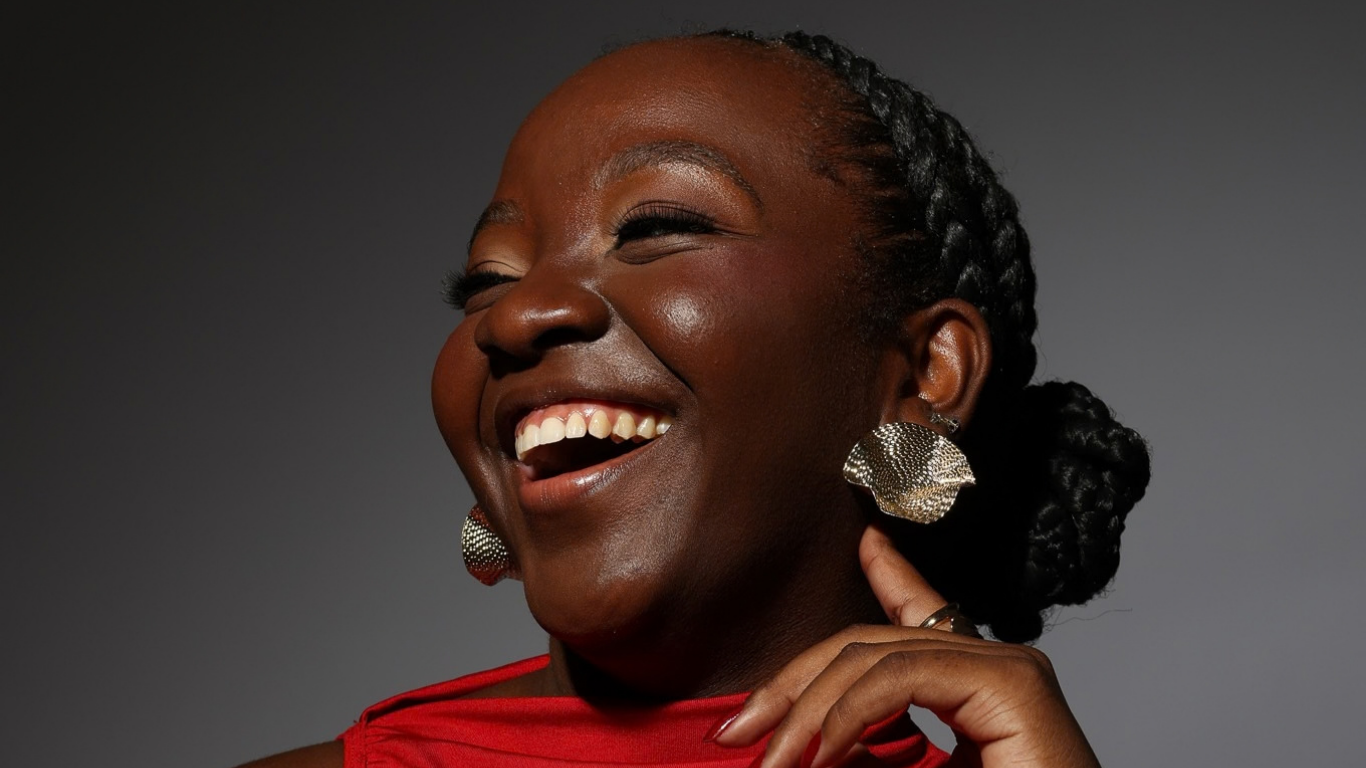
Uganda will be represented among the African role models by Halimah Nakayi and Jamila Lunkuse, who will serve as ambassadors and mentors during the Games.
Ayikoru explained that the role models will provide more than sporting inspiration. Their presence is intended to encourage young athletes to remain engaged in their respective sports while enjoying the wider experience of being part of the Youth Olympic movement.
The athletes will also have the opportunity to interact with established sporting legends from Africa and beyond, including Kenyan marathon great Eliud Kipchoge, who is expected to be in Dakar.
“This is something the Youth Olympic Games in Africa is all about, solidarity,” Ayikoru said, emphasising that while competition remains important, the Games are also about friendship, inspiration and keeping young people connected to sport.
Uganda will also contribute to the Olympic movement’s refugee participation programme, with one boy and one girl joining the overall refugee team in Dakar.
Rukare said the inclusion of the two young athletes was another positive development and demonstrated the broader role of sport in bringing young people together.
Uganda will also have Ugandan officials participating in technical capacities at the Games. Among them are Max Kanyerezi and Brian Kasirye, who will serve in aquatics, and Ayikoru, who will participate in her capacity within World Athletics.
Their presence adds another layer to Uganda’s representation beyond the athletes themselves.
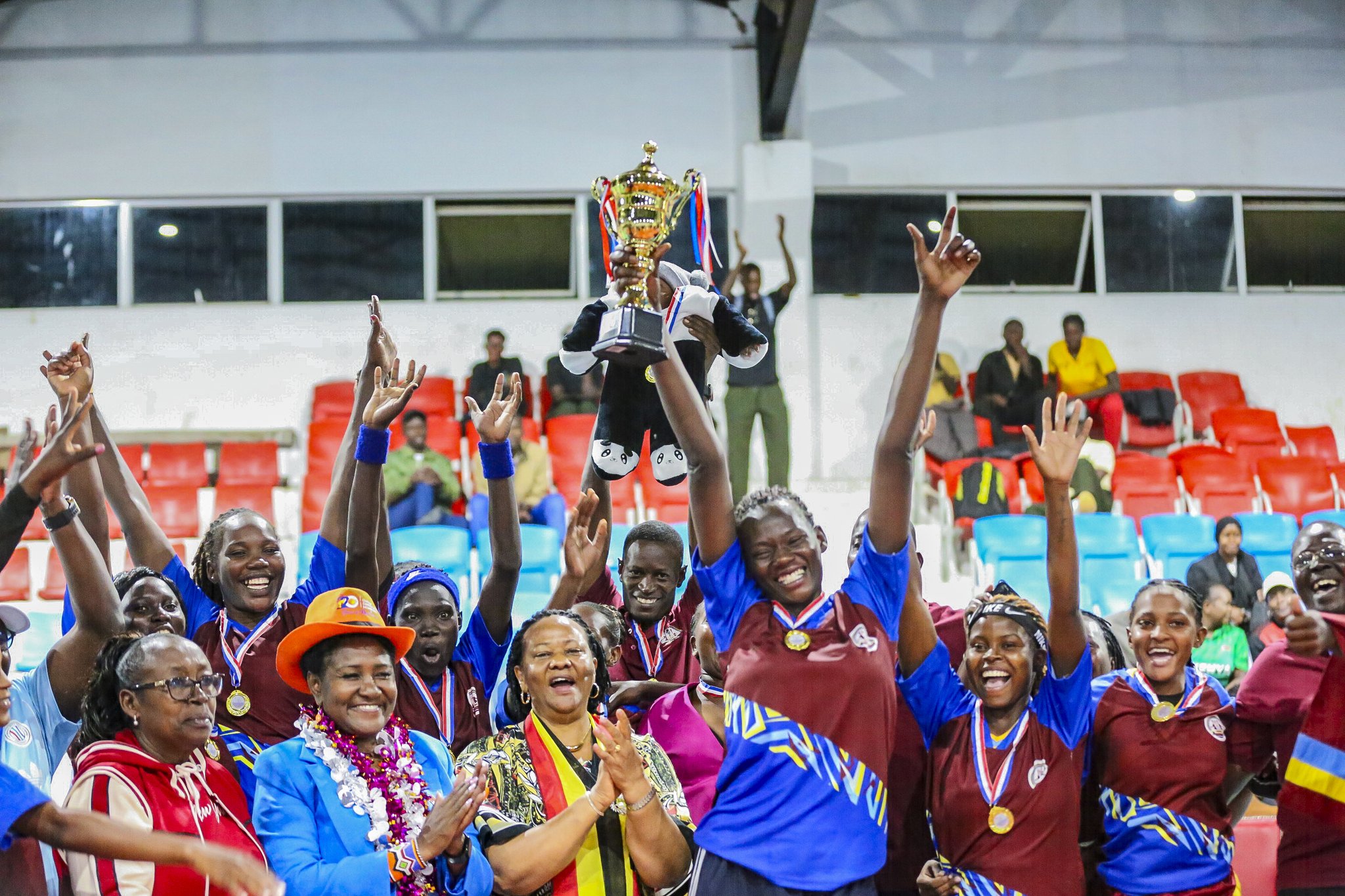
The UOC’s update comes after Uganda returned from the Zone V Games in Kenya with an impressive second-place finish. Team Uganda collected 26 medals: six gold, 10 silver and 10 bronze across several sports, a performance Rukare described as excellent.
Some of the athletes and teams involved in that campaign are now part of Uganda’s broader preparations for Dakar, giving the Olympic Committee confidence that the country’s young athletes are gaining valuable competitive experience.
With the Youth Olympic Games coming to African soil for the first time, the UOC believes the young athletes heading to Senegal have an opportunity not only to compete for medals but also to gain international exposure, learn from experienced athletes and officials, and potentially position themselves for future senior-level Olympic success.
The post UOC updates on Team Uganda ahead of historic Dakar 2026 Youth Olympic Games appeared first on Kawowo Sports.