
This Caribbean Beach Town Has Turquoise Coves, Waterfront Eateries, and One of the Most Beautiful Villages in the Region
A wooden pier points toward a white church with a red-trimmed steeple. Fishing boats float in turquoise water just beyond the swimming area. Along the sand, small restaurants serve grilled fish, accras, and ti’ punch from tables only a few feet from the Caribbean Sea. This is Les Anses-d’Arlet, a collection of fishing villages and […] The post This Caribbean Beach Town Has Turquoise Coves, Waterfront Eateries, and One of the Most Beautiful Villages in the Region appeared first on Caribbean Journal.
 Black News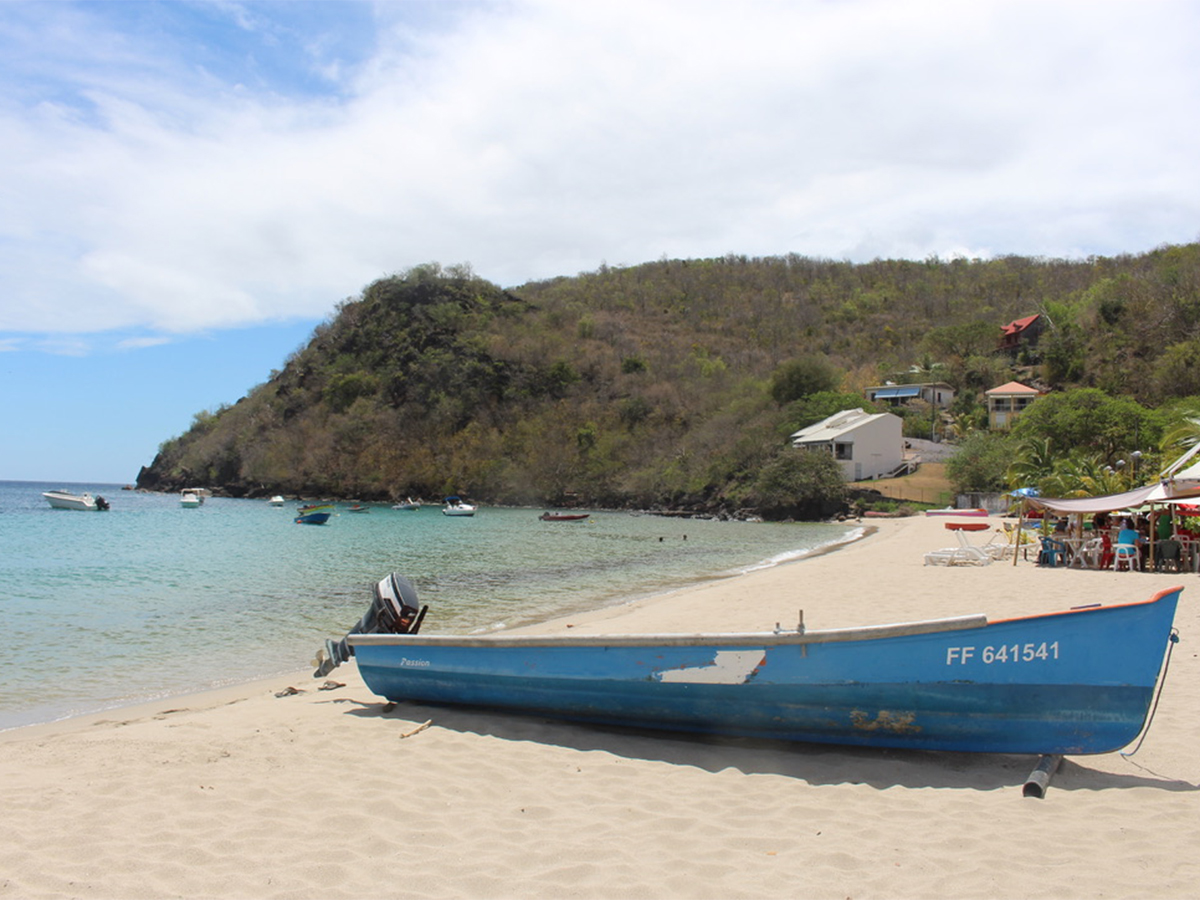
A wooden pier points toward a white church with a red-trimmed steeple. Fishing boats float in turquoise water just beyond the swimming area. Along the sand, small restaurants serve grilled fish, accras, and ti’ punch from tables only a few feet from the Caribbean Sea.
This is Les Anses-d’Arlet, a collection of fishing villages and coves on the southwestern side of Martinique, and one of the best Caribbean beach destinations you have probably never considered.
Martinique is better known for the restaurants and historic buildings of Fort-de-France, the dramatic presence of Mount Pelée, its rhum agricole distilleries, and the resort communities around Trois-Îlets. Les Anses-d’Arlet offers a different kind of vacation, built around small beaches, independent hotels, Creole restaurants, snorkeling coves, and villages where local life remains closely connected to the sea.
The commune extends across several distinct communities, including Le Bourg, Grande Anse, Petite Anse, Anse Dufour, and Anse Noire. Each beach has its own appearance and atmosphere, yet they are close enough to explore during a single stay.
You can swim beside one of the Caribbean’s most photographed churches, look for sea turtles in the waters off Grande Anse, eat grilled lobster beside the sand, and descend a long staircase to a secluded volcanic cove.
The surprise is how much variety fits into one small corner of Martinique.
The Village With the Church and the Pier
The central village, generally known as Le Bourg, has become the defining image of Les Anses-d’Arlet.
The long pier extends from the beach toward the Church of Saint Henry, a waterfront church whose white façade and red details rise above the village. Behind it, green hills climb above tightly gathered homes in white, yellow, blue, and terracotta.
The beach curves along both sides of the pier. The water is usually calm, restaurants are only a few steps from the sand, and the compact village invites you to spend several hours with no real itinerary.
You can swim beside the pier, walk through town, have lunch overlooking the bay, and return to the water afterward. Small boats come and go during the day, while fishing activity remains visible along the beach.
Les Anses-d’Arlet is a real fishing commune rather than a resort district created primarily for tourism. Traditional boats share the bay with catamarans and sailboats. Residents use the same beaches visited by travelers. Homes, churches, restaurants, and everyday commerce are woven into the experience.
The result feels unmistakably Martinican. French is the main language. Creole flavors shape the menus. A bakery, a beach bar, a church, and a fishing boat may all occupy the same compact view.
Grande Anse Is the Beach Where You Stay All Day
A short drive north of Le Bourg, Grande Anse d’Arlet has a wider beach, a long protected bay, and a lively collection of restaurants near the water.
Sailboats gather offshore. Swimmers remain in the bay for hours. The surrounding hills give the beach a sheltered feeling, while the western exposure produces some of the best sunset views in southern Martinique.
Grande Anse becomes especially lively on weekends, when local families fill the beach and restaurant terraces. During the week, the atmosphere is generally more relaxed, particularly outside major French holiday periods.
Several restaurants place tables directly beside the sand. Menus often feature grilled fish, conch, lobster when available, Colombo-spiced dishes, cod fritters, plantains, rice, and fresh juices. Lunch can easily extend through much of the afternoon, interrupted by another swim or a walk along the bay.
The water is another reason to spend the day here. Grande Anse is one of Martinique’s best-known places for seeing green sea turtles, which feed in the grassy areas beneath the surface. You may encounter them while snorkeling from the beach, although swimmers should always keep a respectful distance and avoid touching or following them.
You do not need a full-day boat excursion to experience the underwater side of the island. Bring a mask and fins, enter from the sand, and begin exploring close to shore.
Anse Dufour Has the Feeling of a Fishing Cove
A little farther north, Anse Dufour feels smaller and more intimate.
Golden-white sand meets transparent water in a compact bay lined with fishing boats, colorful houses, and a handful of places to eat. The hills rise close behind the beach, giving the cove a sheltered, enclosed character.
Anse Dufour has long been known for snorkeling. Fish can often be seen close to shore, particularly around the rocky sides of the bay. Sea turtles also visit the surrounding waters, and the cove’s modest size makes it easy to explore without traveling far from the sand.
The beach can become busy, especially during weekends and holiday periods, so arriving earlier in the day gives you a better chance of finding parking and a comfortable place on the sand.
Lunch is part of the experience. Small restaurants near the beach serve Creole seafood and traditional Martinican dishes in a setting with few barriers between the dining area, the fishing boats, and the water.
Anse Dufour still feels like a fishing cove where visitors happen to have discovered the swimming.
Anse Noire Is Only Steps Away and Entirely Different
About 100 meters from Anse Dufour, Anse Noire presents a completely different landscape.
A staircase of approximately 130 steps descends through dense greenery to a narrow beach covered in dark volcanic sand. The cove is framed by steep slopes, trees, and rocky walls, creating a more secluded atmosphere than the neighboring beaches.
Anse Noire is the only black-sand beach in southern Martinique. Its volcanic sand would be more expected in the island’s north, closer to Mount Pelée, making its location beside the golden sand of Anse Dufour particularly unusual.
The contrast is immediate. One cove is bright and open, with golden-white sand and fishing boats pulled close to shore. The other is shaded, volcanic, and enclosed beneath the hills.
The water at Anse Noire is well suited to snorkeling, particularly along the rocky edges of the bay. A wooden jetty extends into the cove, and the limited development gives the beach a quiet, almost hidden quality when visitor numbers are low.
The staircase discourages casual stops, especially for anyone carrying a large amount of beach equipment. What waits at the bottom, however, is one of the most distinctive beaches in Martinique.
Petite Anse Offers a Quieter Side of the Commune
South of Le Bourg, Petite Anse has a more residential feeling and receives less international attention than Grande Anse or Anse Dufour.
The village curves around a small bay beneath green hills, with fishing boats, homes, and restaurants facing the water. The beach is narrower and the tourism infrastructure more modest, but the area can be appealing if you want to stay away from the busiest swimming spots.
Petite Anse is also a good base for exploring the southern side of the commune. Villas and apartments climb the surrounding hills, many with wide views across the Caribbean Sea.
From here, you can drive north to Le Bourg and Grande Anse or continue south toward Le Diamant, where the massive volcanic form of Diamond Rock rises from the sea.
A Beach Vacation Built Around Small Hotels and Villas
Les Anses-d’Arlet is not dominated by large resorts.
Accommodations are generally boutique hotels, villas, apartments, guesthouses, and hillside residences scattered among the different communities. Some are within walking distance of the beach, while others trade immediate proximity to the sand for sweeping views from the hills.
I particularly like VillaVEO as an option.
The independent format shapes the vacation. You are likely to rent a car, eat at a different restaurant each day, visit several beaches, and buy pastries or fruit locally rather than remaining inside one resort.
Properties around Grande Anse place you close to the longest beach and the largest concentration of waterfront restaurants. Staying near Le Bourg gives you the church, pier, village beach, and a more compact community. Petite Anse works well for a quieter stay, particularly if you find a villa overlooking the bay.
Domaine de Robinson at Anse Noire offers one of the area’s most unusual experiences, with simple bungalows tucked into the vegetation above the black-sand cove. It includes a treehouse-style bungalow built around a local apricot tree, placing you directly inside one of the commune’s most distinctive natural settings.
The broader choice of apartments and villas also makes Les Anses-d’Arlet appealing for longer stays. A kitchen or kitchenette gives you the option to prepare breakfast, store local fruit and drinks, and settle into the community for more than a few nights.
Why Americans Rarely Think About It
Les Anses-d’Arlet is not a secret in Martinique. Local residents have been coming to its beaches for generations, and French travelers have long included the commune in island vacations.
Its lower profile is largely international, particularly among travelers from the United States.
Martinique has never been marketed to Americans with the same intensity as many English-speaking Caribbean islands. French remains the main language, many hotels are independently operated, and the experience is less centered on familiar resort brands.
Les Anses-d’Arlet also lacks the kind of enormous beachfront resort normally associated with a well-known Caribbean beach destination. There is no single property defining the area and no large commercial strip connecting all the coves.
The beaches, restaurants, villas, fishing villages, and small hotels are spread among several bays. You need to explore them individually.
A little preparation helps. Learn a few basic French phrases. Check restaurant hours before setting out. Reserve a rental car in advance. Bring snorkeling equipment or arrange a rental locally. Visit the most compact coves outside the busiest weekend periods.
The reward is a vacation with a stronger connection to Martinique itself.
Getting to Les Anses-d’Arlet
Most international visitors arrive at Martinique Aimé Césaire International Airport, near Fort-de-France.
The drive to Les Anses-d’Arlet usually takes between 45 minutes and a little more than an hour, depending on traffic and your final destination. Roads through the southern hills are scenic and curving, with repeated views of the sea.
A rental car is the most practical choice. The principal communities are relatively close to one another, but the hills make walking between them difficult. A car also allows you to reach Le Diamant, Trois-Îlets, the rum distilleries of southern Martinique, and restaurants beyond the immediate beach villages.
Parking can be limited at Anse Dufour and Anse Noire. An earlier arrival is especially useful during weekends, school holidays, and peak travel periods.
What It Costs to Fly Here
It’s about $719 roundtrip right now on American Airlines out of Miami, according to what I saw on Google Flights.
The post This Caribbean Beach Town Has Turquoise Coves, Waterfront Eateries, and One of the Most Beautiful Villages in the Region appeared first on Caribbean Journal.