The Boy I Once Worried About Is Now Standing Beside Me
How Dr. Myava Clark and Chris Clark Jr. turned some of their family’shardest experiences into a mission to prepare the next generation beforebullying happens and There was a time when Dr. Myava Clark worried about her son. Today, she works beside him. For a mother who spent years wondering how the world would receive a…
 Black News
How Dr. Myava Clark and Chris Clark Jr. turned some of their family’s
hardest experiences into a mission to prepare the next generation before
bullying happens and There was a time when Dr. Myava Clark worried about her son. Today, she works beside him.
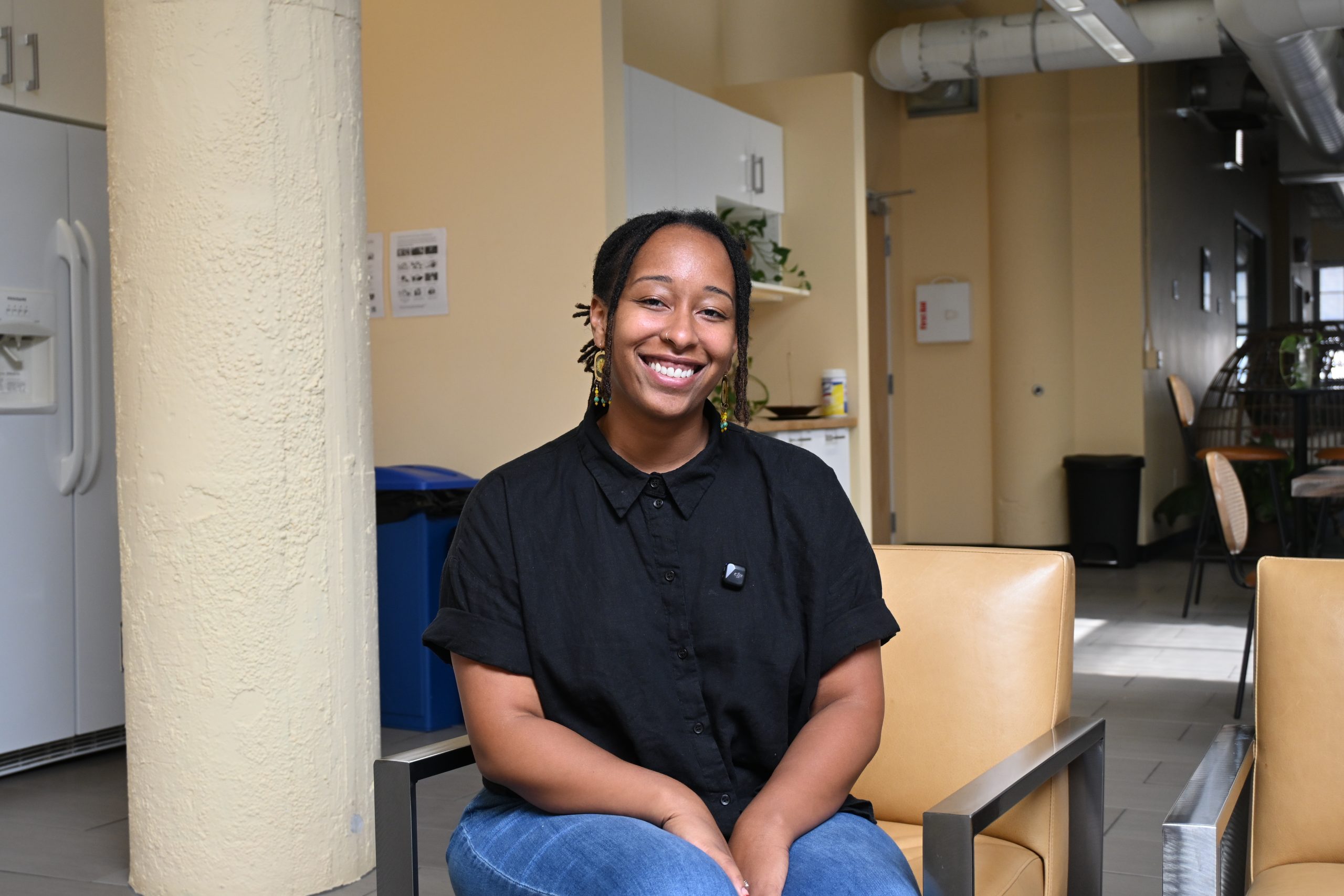
For a mother who spent years wondering how the world would receive a child who learned, communicated, and navigated relationships differently, that distinction means everything. Chris Clark Jr. is now 28 years old. He is an entrepreneur, author, advocate, co-founder and Vice President of CASEN—Collaborative Advancement for Social-Emotional Needs and his
mother’s business partner.
But long before the titles, there was simply Chris or CJ. A young boy trying to find his place and parents trying to help him. As families across the country recognize National Bullying Prevention Month this October, the story of Dr. Myava Clark and Chris Jr. offers a perspective that is often missing from conversations about bullying:
What happens to the child after the bullying?
What happens when that child grows up? And what becomes possible when the experiences that once made a child feel different become the very experiences that allow him to reach another child?
Before There Was CASEN, There Was Chris
Dr. Clark brought an educator’s knowledge to parenting, but motherhood taught her lessons no degree could. Chris grew up with learning differences and faced social and emotional challenges that sometimes made relationships with his peers difficult to navigate. He experienced bullying, struggled with communication, and had moments when fitting into environments designed for everyone else wasn’t easy.
For his mother, watching those experiences unfold changed the way she understood children. She wasn’t only looking at Chris through the eyes of an educator. She was looking at him through the eyes of a mother. The experience raised questions that would eventually shape her life’s work.
What happens when a child doesn’t recognize that a friendship is unhealthy?
What if a child wants so badly to belong that he tolerates behavior that hurts him? What if he doesn’t have the words to explain what is happening? And what if adults wait until something goes wrong before teaching children how to navigate these situations? Those questions became even more important as childhood moved increasingly online.
The Question That Changed Everything
Years later, when Chris Jr. was a freshman in college, his father, Chris Sr., asked him a simple but powerful question:
“What do you wish you had growing up that could help kids today?”
Chris’ answer would help change the direction of the Clark family. He wanted something that could help children develop the social and emotional skills he had needed growing up. That conversation planted a seed. Eventually, mother and son became co-founders of CASEN. But their partnership means more than starting an organization. Chris had moved from the child adults were trying to help to an adult helping shape the solution.
Don’t Just Protect Children. Prepare Them.
Dr. Clark believes that distinction matters. Much of the conversation surrounding bullying focuses understandably on what adults should do when bullying occurs: document it, report it, contact the school, block the account, save the messages, and protect the child. Those actions matter. But the Clarks are asking families to begin earlier.
What are we teaching children before the crisis?
Children practice fire drills before there is a fire. They learn traffic rules before they drive. They practice swimming before being expected to navigate deep water. Yet children can enter group chats, online games, and eventually social media without ever practicing what to do when someone pressures, excludes, embarrasses, manipulates, or bullies them. Dr. Clark wants to change that. “We cannot prepare our children for every person they will encounter,” she says.
“But we can prepare them with skills they can carry into those encounters.”
Chris Brings Something His Mother Can’t
Dr. Clark may be the professor. Chris has something no classroom could give her: his lived experience. That has become one of the strengths of their partnership. A parent may look at a situation and immediately see danger. A child may see the possibility of losing friends. An educator may see inappropriate behavior. A young person may see the cost of reporting it. A
parent may wonder, “Why didn’t you tell me?” A child may be thinking, “Because I thought telling you would make everything worse.”
Chris helps bridge those worlds. His experiences give CASEN something Dr. Clark’s professional training alone cannot provide the perspective of someone who remembers what it feels like to be the child adults are discussing. Today, mother and son can look at the same problem from different sides of the table. And children need both perspectives.
Giving Children a Compass Before They Need It
That philosophy eventually led to the development of the CASEN Compass, which teaches four foundational areas: Connection — Build healthy relationships.
�� Safety — Protect yourself and others.
�� Advocacy — Use your voice to help yourself and others.
�� Navigation — Make wise choices.
The goal is not to raise children who never encounter conflict, rejection, bullying, or difficult people. That isn’t realistic. The goal is to raise children who increasingly know what to do when they encounter them. It is the difference between simply telling a child to “be careful” and actually teaching that child what careful looks like.
The New Playground Has a Login
For today’s families, bullying prevention also has to extend beyond the school hallway. The playground now follows children home. It can be inside a gaming headset. A group chat. A direct message. A disappearing message. A comment section. Or a photograph taken at school that becomes content online before a child even knows it was posted. Technology did not create bullying, but it has changed the environments in which children experience it. That is one reason
the Clarks believe children need social media readiness before social media independence.
Their work includes CASEN Connect , an invitation-only, moderated environment designed to allow children to practice healthy online communication. Dr. Clark often describes it simply:
“Social media with training wheels.”
The concept reflects the same principle that runs throughout their work: practice before independence.
When Your Child’s Difference Becomes His Assignment
For Dr. Clark, perhaps the most meaningful part of CASEN isn’t the platform, a workshop, or even a curriculum. It’s the man standing beside her. The boy she once worried about has grown into a man whose voice matters precisely because of what he experienced. That changes the narrative surrounding children who struggle socially, learn differently, or don’t seem to fit neatly
into the environments around them. Their current struggle is not necessarily the end of their story.
The child who needs advocacy today may become an advocate tomorrow. The child struggling to find his voice may one day use it for someone else. The child sitting outside the circle may eventually build a new circle and invite others in. Parents cannot always see that future when they are standing in the difficult middle. Dr. Clark couldn’t see all of it either. She can now.
A Different Conversation This October
During National Bullying Prevention Month, Dr. Clark and Chris Jr. want families to talk about bullying. But they also want families to talk about belonging. Friendship. Boundaries. Self-advocacy. Digital citizenship. Peer pressure. Reporting. Online safety. And what children should do when something simply doesn’t feel right. Most importantly, they want parents to talk with children rather than only to them. Because the goal isn’t to frighten children about everything that could happen. It is to make sure they know they don’t have to navigate it alone.
For one mother and son, that lesson has taken years to unfold. Today, Dr. Myava Clark doesn’t have to wonder what became of the little boy she worried about. He’s beside her. And together, they’re trying to make the road a little easier for the children coming behind him.
Is Your Child Ready?
Before your child enters the world of social media, do you know if they’re truly ready?
Discover your child’s strengths—and where they may need more support—across the four directions of the CASEN Compass:
Connection – Can they build and recognize healthy relationships?
�� Safety – Do they know what is safe to share and what should remain private?
�� Advocacy – Do they know how to speak up for themselves and others?
�� Navigation – Can they make wise decisions about what they post, share, and do online?
Don’t guess about your child’s readiness. Find out.
Take the CASEN Social Media Readiness Assessment at Mothers of Exceptional Kids and discover the next skills your child needs before social media.
Prepare Before They Participate