Teyana Taylor And Other Black Women’s Appearance Aren’t Intimidating
Black women face unfair bias based on appearance and personality. They're perceived as intimidating for existing authentically, then expected to prove their softness to receive basic kindness and grace.
 Black News


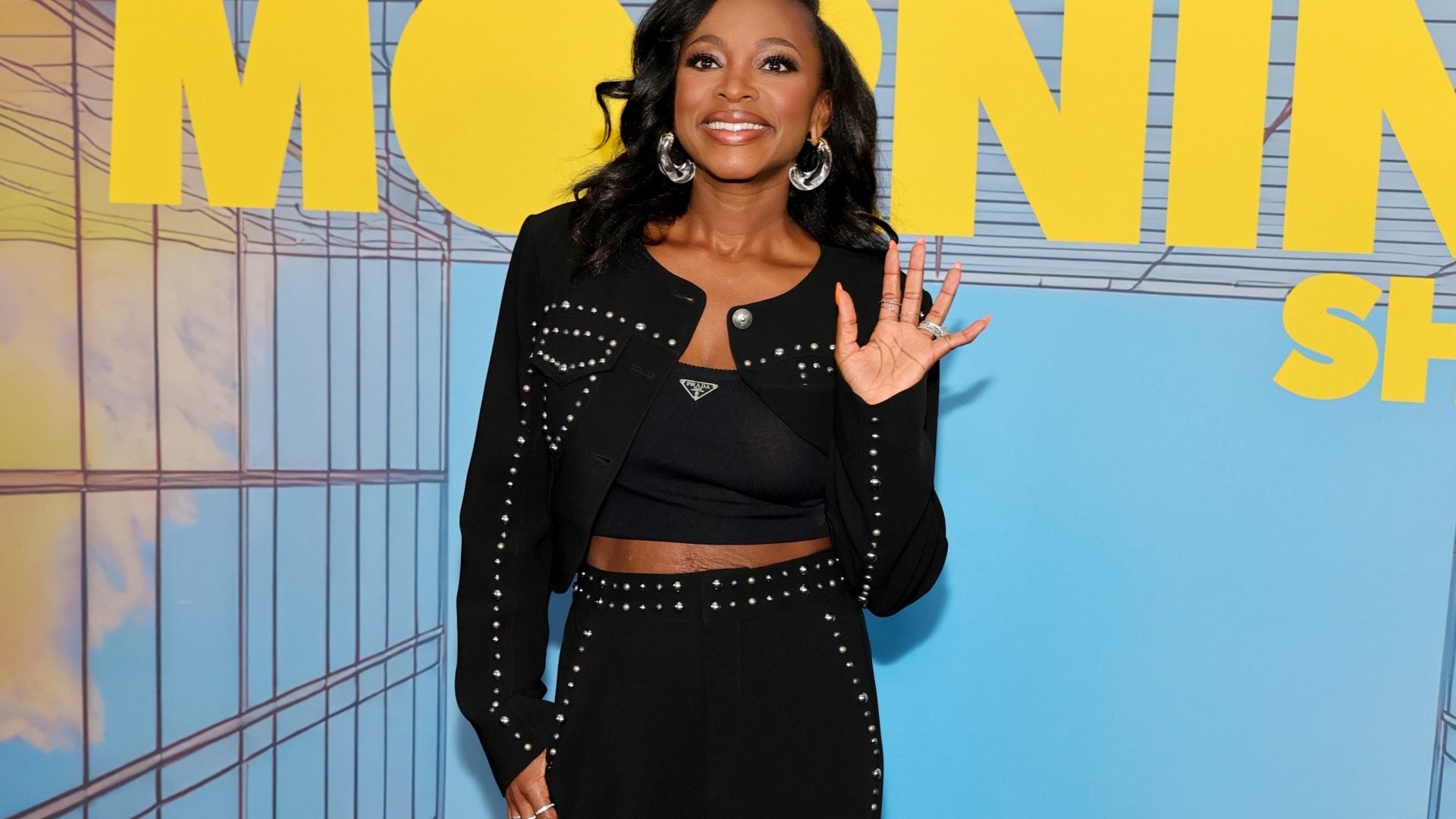
Apparently, Teyana Taylor’s face has been speaking on her behalf, and it’s been telling people the wrong story. In her recent Allure cover story interview, the actress and singer opened up about how people perceive her, particularly because of her strong facial features and androgynous appearance.
“I think people get intimidated just by looking at me,” she said. “I don’t get a lot of grace. They treat me like I’m tough when I’m really a princess. I am just a girl.”
Girl. Say that again. Because what do you mean you’re treating me a certain way because of my high cheekbones? How exhausting!
Taylor is an undeniable powerhouse. She has spent her career showing us just how many things she can do. Singer, dancer, actress, director, and now Golden Globe winner. Yet somehow, people still think they can look at her and decide who she is.
Being accomplished, Black, and apparently looking like you can handle yourself means people assume you don’t even need a little tenderness. Black women are characterized as intimidating simply for existing outside somebody else’s expectations and in Taylor’s case…because of how she looks?!
Just recently during his Funky Friday interview with everyone’s favorite sharp-tongued “Yuntie,” Tia Kemp, Cam Newton made a point of telling her he wasn’t intimidated by her. He said, “This don’t scare me.”
Kemp responded, “I don’t try to scare nobody.”
Kemp is not known for holding her tongue. She’s candid, quick-witted, unapologetic, and has built a following speaking her mind, often about subjects other people might prefer she leave alone. You don’t have to agree with everything she says to recognize that being outspoken isn’t the same as being intimidating.
I’m stuck on his choice of the word “scare.” Why is that even on his mind to say about her? His framing probably barely raised any eyebrows. In fact, many of his listeners likely feel the same way. Kemp wasn’t threatening Newton in that exchange. He was responding to the persona he’d seen online. He was just a little bit too comfortable describing her as scary to me.
It made me think about Scary Spice aka Mel B. That 90’s pop girl group was filled with cuties with names to match: Baby, Posh, Sporty, Ginger, and the one Black girl of the group…Scary? The nickname was assigned by a British magazine in the 90’s, and Mel B has said she embraced it. She’s described herself as feisty, protective, and larger than life. Fair enough. But it’s still interesting that of all the things she could have been called, scary was what stuck. A big personality shouldn’t be perceived as a threat.
Research suggests that Black women don’t always get the benefit of that distinction. A 2021 study published in the Journal of Applied Psychology examined how people respond to expressions of anger at work. Across two studies involving 555 participants, researchers found that observers were more likely to attribute Black women’s anger to their personalities rather than their circumstances, contributing to worse evaluations of their performance and leadership abilities. In other words, someone else might be having a bad day. The Black woman is just angry.
And sometimes these assumptions begin before we’re old enough to understand them. Georgetown Law’s 2017 Girlhood Interrupted report found that adults perceived Black girls as less innocent and needing less nurturing, protection, and comfort than white girls of the same age. The bias was especially pronounced among girls ages 5-14. Five-years-old and already expecting to need less tenderness.
Now, consider the grown woman who has spent her life navigating those expectations. “My muscle memory is love,” Taylor said to Allure. “It does hurt when I see certain things on the internet [about herself] because I’m like, ‘Damn, I thought people would be happy.’”
Maybe she learns to be guarded. Maybe she becomes fiercely independent. Maybe she’s naturally outspoken, or maybe she’s just tired of explaining herself. Whatever the case, none of those characteristics should determine whether she deserves consideration.
That’s what makes Taylor’s admission especially frustrating. During her Golden Globes acceptance speech, she reminded Black women and girls that “our softness is not a liability.” That sentiment is exactly what we need. But us declaring our softness should not become a requirement Black women have to meet before we’re treated with kindness.
Because some of us aren’t soft. Some of us have sharp edges, strong opinions, and personalities that aren’t particularly easy to manage. We deserve grace, regardless. Taylor having to convince and campaign for delicate treatment is crazy. The fact that she’s a woman should be enough to warrant princess treatment.
No one has to agree with Tia Kemp, find Teyana Taylor and her cheekbones approachable, or think Mel B was poorly named. That’s not the point.
The point is how quickly a Black woman’s face, voice, or refusal to be agreeable can become somebody else’s reason to feel threatened. And somehow, she’s the one expected to correct the impression. Make it make sense.
Imagine having to do public relations for your own character just to be treated with a little grace.