D-Day: Senegal, Morocco to Learn AFCON 2025 Final Verdict
The Court of Arbitration for Sport (CAS) will deliver its final verdict on Tuesday, November 24, 2026, determining who will officially be crowned champions of Africa following a prolonged dispute stemming from the 2025 Africa Cup of Nations final. Rather than on the pitch, either Senegal or Morocco will be declared continental champions in the […] The post D-Day: Senegal, Morocco to Learn AFCON 2025 Final Verdict appeared first on Kawowo Sports.
 Black News


The Court of Arbitration for Sport (CAS) will deliver its final verdict on Tuesday, November 24, 2026, determining who will officially be crowned champions of Africa following a prolonged dispute stemming from the 2025 Africa Cup of Nations final.
Rather than on the pitch, either Senegal or Morocco will be declared continental champions in the boardroom when sport’s supreme arbiter issues its ruling.
A Chaotic Final
The controversy dates back to January 24, when Senegal defeated Morocco 1–0 in extra time through a Pape Gueye winner. The match was marred by chaos in the closing stages of regular time, resulting in a stoppage of more than 15 minutes.
Moments after Ismaïla Sarr thought he had scored a winner for Senegal—only for the referee to blow his whistle for a foul—DR Congo referee Jacques Ndala awarded the Atlas Lions a penalty following a VAR review of an apparent foul by El Hadji Malick Diouf inside the area.
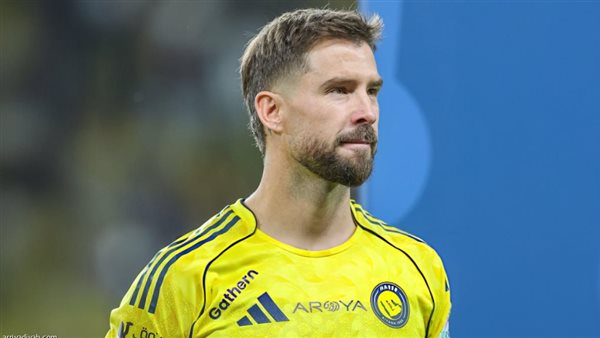
When play resumed, Real Madrid star Brahim Díaz missed from the spot after his attempted Panenka was easily saved by Senegal goalkeeper Édouard Mendy. Gueye then struck in the 124th minute to seemingly hand the Lions of Teranga their second African title.
From the Pitch to the Boardroom
Following the final whistle, the Royal Moroccan Football Federation lodged a formal complaint with the Confederation of African Football (CAF), arguing that Senegal breached competition rules by leaving the pitch.
The protest cited Article 82 of the tournament regulations, which states: “If, for any reason whatsoever, a team… refuses to play or leaves the ground before the regular end of the match without the authorisation of the referee,” they shall be “considered [the loser] and shall be eliminated from the current competition.”
CAF upheld the complaint, overturning the on-field result and awarding Morocco the trophy—their first since 1976. Senegal subsequently appealed to the CAF appeals body, which upheld the initial decision and handed Morocco a 3–0 forfeit victory, prompting the West African nation to escalate the matter to CAS.
Inside the CAS Process
Based in Lausanne, Switzerland, CAS serves as the supreme arbiter in world sport. Its rulings are final and binding unless, in rare circumstances, Switzerland’s highest court sets a decision aside on limited technical grounds.
Senegal’s appeal was heard in private on October 8 by a three-member panel of sports law experts appointed by CAS:
- Gérald Simon (President): Founder of the Sports Law Laboratory at the University of Burgundy and a CAS member for 23 years.
- Luigi Fumagalli: Italian professor of international law.
- Ulrich Haas: Hamburg-based attorney and professor of law at the University of Zurich.
If the trio failed to reach a consensus during deliberations, panel president Simon will have cast the decisive final vote.
The post D-Day: Senegal, Morocco to Learn AFCON 2025 Final Verdict appeared first on Kawowo Sports.