
Stanbic, Standard Chartered lose bid to recover $23.5m from Basajjabalaba
The Court of Appeal has dismissed a bid by Stanbic Bank Uganda and Standard Chartered Bank Uganda to recover $23.5 million and Shs433.3 million from businessman Hassan Basajjabalaba and other guarantors, ruling that the two banks lost the legal right to pursue the debt after assigning it to the Bank of Uganda. The appellate court […] The post Stanbic, Standard Chartered lose bid to recover $23.5m from Basajjabalaba appeared first on Daily Star.
 Black News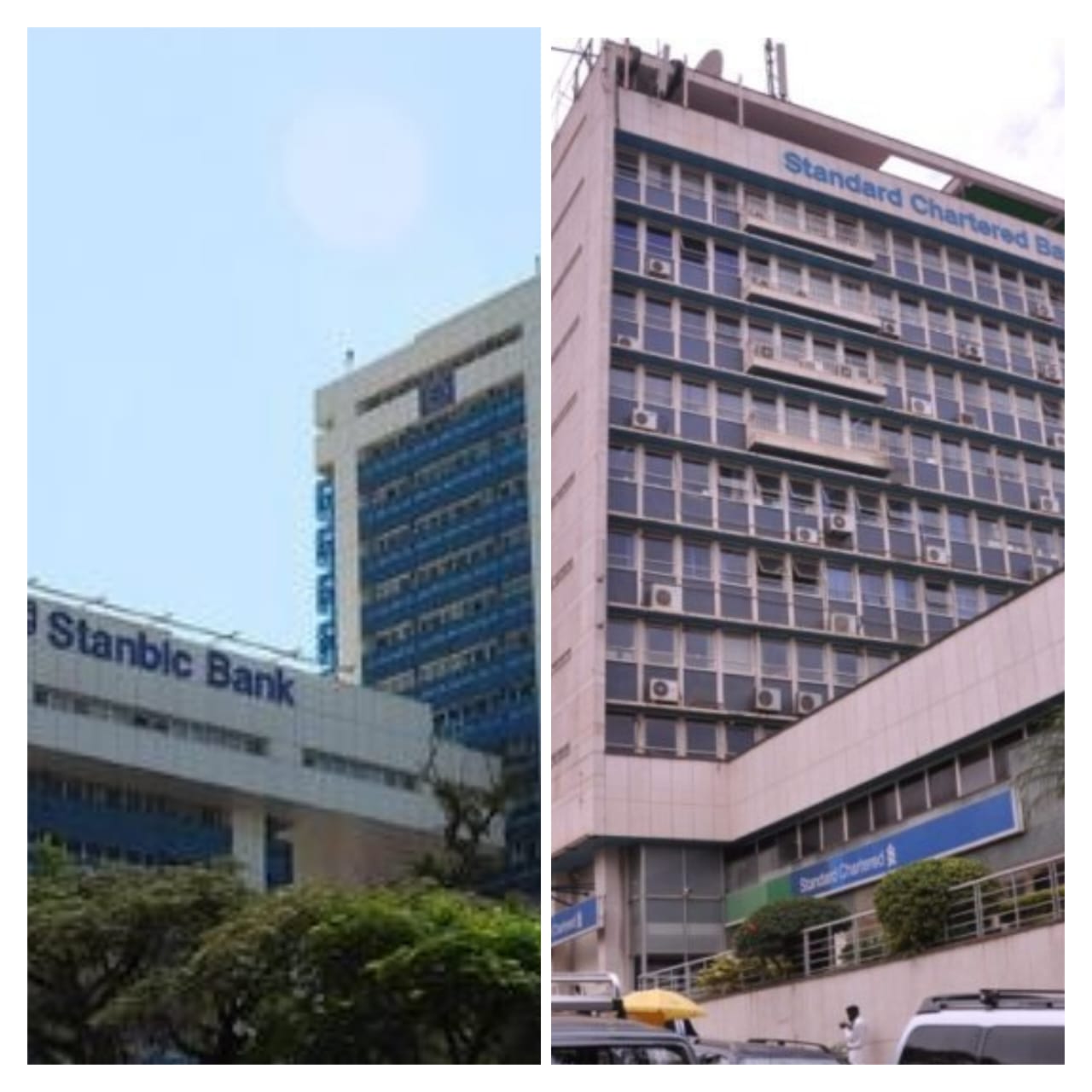
The Court of Appeal has dismissed a bid by Stanbic Bank Uganda and Standard Chartered Bank Uganda to recover $23.5 million and Shs433.3 million from businessman Hassan Basajjabalaba and other guarantors, ruling that the two banks lost the legal right to pursue the debt after assigning it to the Bank of Uganda.
The appellate court found that once the banks transferred their rights over the loans to the central bank, they ceased to have any legal interest in the outstanding debt or the securities pledged against it.
The dispute stems from loans advanced to Basajjabalaba Hides and Skins Limited in 2002. Stanbic Bank extended a $5 million facility, while Standard Chartered Bank provided $18.5 million and Shs433.3 million. For the Stanbic loan, the guarantors were Hassan Basajjabalaba, Mary Basajja and Azida Basajja.
The Standard Chartered facilities were guaranteed by Hassan Basajja, Musa Basajja, Iddi Basajja, Mary Basajja, Shamim Basajja, Aisha Basajja and Azida Basajja, together with Yudaya International Limited and Haba Group (U) Limited.
Basajjabalaba Hides and Skins Limited subsequently defaulted on the loans. By April 1, 2003, the outstanding amount on the Stanbic facility stood at $3.454 million, while the Standard Chartered loan had risen to $18.3 million by January 23, 2004.
Following the default, the two commercial banks assigned their rights in the loans to the Bank of Uganda.
Standard Chartered executed a deed of assignment in March 2006, under which it transferred its interest in the $18.3 million debt to the Bank of Uganda after receiving $9.15 million as consideration.
Stanbic subsequently assigned its rights through a deed dated June 13, 2008, transferring to the Bank of Uganda the debt owed by Basajjabalaba Hides and Skins, which stood at about $3.46 million at the time.
The Stanbic assignment expressly provided that after execution of the deed, the bank would have no right or liability in respect of the assigned debt and securities.
The dispute later resulted in a consent judgment under which Basajjabalaba Hides and Skins was required to pay the Bank of Uganda, for the benefit of the Government of Uganda, a compromised sum covering amounts owed under the two facilities.
The agreement provided that in the event of default, the Bank of Uganda would be entitled to enforce recovery against the mortgaged securities that had been assigned to it.
The High Court subsequently held that the deeds of assignment executed by Stanbic and Standard Chartered in favour of the Bank of Uganda were absolute.
The court found that ownership of the debts had consequently shifted from the two commercial banks to the Government of Uganda.
The High Court further ruled that Stanbic and Standard Chartered had no capacity to sue on behalf of the government to recover the assigned debts.
The banks challenged the decision in the Court of Appeal in 2014, arguing that the trial judge had erred in law.
However, the appellate court has now upheld the central finding that the banks surrendered their rights when they assigned the loans to the Bank of Uganda.
“I find as correct the decision of the learned Judge that upon assignment, Stanbic Bank and Standard Chartered Bank ceased to have any rights in relation to the assigned monies and securities attendant thereto,” the Court of Appeal held.
The court said the terms of the deeds of assignment and the subsequent consent judgment did not reserve any right for the two banks to pursue recovery of the original loan amounts.
“I therefore find that, on the reading of the terms of the deeds of assignment and the terms of the subsequently executed consent judgment, the appellant banks had no legal right whatsoever to enforce recovery of the originally claimed outstanding sums under the loan facilities through filing a suit against the principal borrower or the guarantors,” the court held.
The appellate court said the banks had expressly surrendered their rights in the assigned debts and securities and could therefore not revive those claims against Basajjabalaba or the other guarantors.
“They had ceased to have any legal claim or interest in the assigned loan sums and the titles to the properties that had been pledged as security,” the court held.
The ruling effectively leaves the Bank of Uganda, acting on behalf of the Government, as the entity with the legal interest in the assigned debts and securities arising from the 2002 loan facilities.
The post Stanbic, Standard Chartered lose bid to recover $23.5m from Basajjabalaba appeared first on Daily Star.