

South African firms lead Africa's quiet expansion into the UK as foreign ownership of British companies hits record high
Foreign ownership of British businesses has surged to its highest level on record, reflecting a post-pandemic wave of international acquisitions that has reshaped the UK's corporate landscape.
 Black News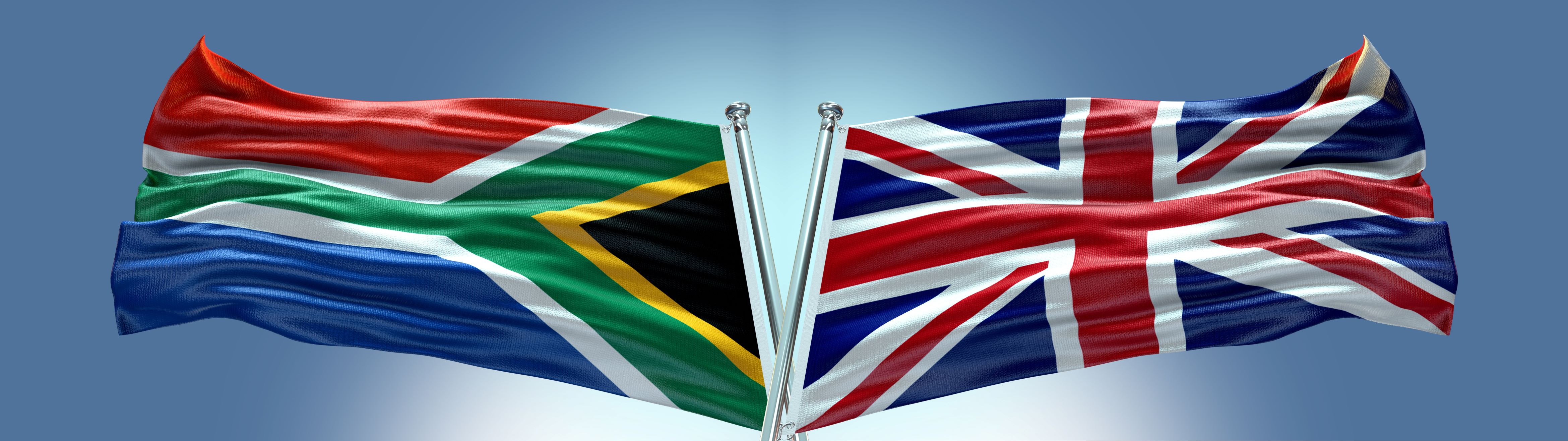

Foreign ownership of British businesses has surged to its highest level on record, reflecting a post-pandemic wave of international acquisitions that has reshaped the UK's corporate landscape.
- Foreign ownership of British businesses reached a record high in 2024, up 35% since 2020, largely due to international acquisitions following the pandemic.
- North American, European, and Asian investors dominate this trend, but South African firms have become Africa's leading corporate presence in the UK.
- Companies like Bidvest, Investec, and Old Mutual showcase South African multinationals' long-term expansion and strategic acquisitions in Britain.
- Britain remains attractive to foreign investors because of lower company valuations, a weaker pound, and access to global capital.
Foreign ownership of British companies has surged to a record high since the COVID-19 pandemic, driven largely by overseas dealmaking.
While North American, European and Asian investors dominate the trend, South African firms have quietly emerged as Africa's biggest corporate investors in the UK.
Bloomberg reports that data from the UK's Office for National Statistics (ONS) says just over 200,000 UK businesses were under foreign control in 2024, up from 148,742 in 2020—a 35% increase—even though the total number of businesses in the country has remained broadly flat over the same period.
DON'T MISS THIS: Africa's richest city races to pay $146 million in debts, and unlock $200 million for infrastructure revival
While investors from North America, Europe and Asia account for the bulk of that growth, African companies—particularly those from South Africa—have quietly built substantial businesses in Britain through acquisitions and long-term expansion.
SA firms lead Africa's corporate push into Britain
Unlike many African companies that have focused primarily on regional expansion, several South African multinationals have spent decades establishing themselves in one of the world's most competitive business markets.
Industrial conglomerate Bidvest Group offers one of the clearest examples.
Rather than pursuing a single blockbuster acquisition, Bidvest has steadily assembled a sizeable UK business through a series of acquisitions across foodservice, commercial products, facilities management and industrial services.
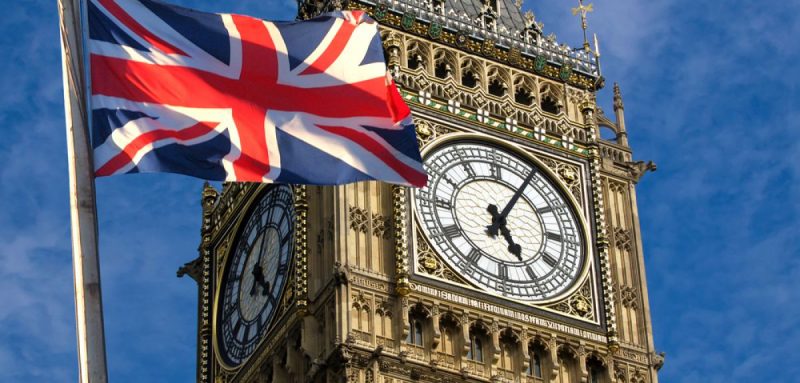
The UK has since become one of the group's largest international markets outside South Africa, demonstrating how African firms have used acquisitions to build scale in developed economies.
Financial services group Investec has followed a similar strategy.
Founded in Johannesburg, the bank significantly expanded its UK investment banking presence through its acquisition of Evolution Group in 2011, transforming London into one of its two principal operating markets alongside South Africa.
Today, the UK accounts for a substantial share of Investec's banking, wealth management and advisory business.
DON'T MISS THIS: UK-backed rare earths miner expands Africa bet as race for critical minerals intensifies
Another South African financial heavyweight, Old Mutual, also established a significant UK presence over several decades, using London as a base for international operations before later restructuring parts of its business.
The move reflected a broader strategy among South African financial institutions to diversify beyond domestic markets and gain access to global capital.
Together, these companies illustrate how African multinationals have pursued long-term international growth through carefully targeted investments rather than large-scale takeover waves.
Britain remains an attractive destination
The UK's appeal to international investors has strengthened in the years following the COVID-19 pandemic.

Lower company valuations, a weaker pound during parts of the post-Brexit period and renewed merger-and-acquisition activity have made British businesses increasingly attractive to overseas buyers across sectors including manufacturing, financial services, technology and logistics.
Those factors have contributed to the sharp increase in foreign-controlled businesses recorded by the ONS.
For African companies, Britain offers additional advantages beyond acquisitions.
London remains one of the world's leading financial centres, providing access to international capital markets, institutional investors and multinational clients.
For companies such as Investec and Bidvest, a strong UK presence also diversifies earnings and reduces dependence on domestic economic conditions.
Africa still accounts for a small share
Despite these successes, African companies remain relatively modest participants in Britain's broader foreign ownership boom.
DON'T MISS THIS:lSouth Africa stock loses $3.7b as foreign investors withdraw from its market
The overwhelming majority of foreign-controlled UK businesses are owned by companies headquartered in the United States, Canada, Europe and increasingly Asia, whose larger capital markets and multinational corporations continue to dominate cross-border acquisitions.
Nevertheless, South African firms have demonstrated that African businesses can successfully compete in advanced economies through disciplined expansion strategies, strategic acquisitions and long-term investment.
As Britain continues to attract overseas buyers, Africa's corporate footprint may be smaller than those of other regions, but it is steadily growing.