South Africa refuses to back down amid criticism, insists Africa's migration debate should shift from blame to root causes
South Africa has urged the African Union (AU) to avoid turning upcoming continental discussions on migration into a platform for blaming individual countries, arguing instead that leaders should focus on the economic, political and security challenges driving people to leave their home countries.
 Black News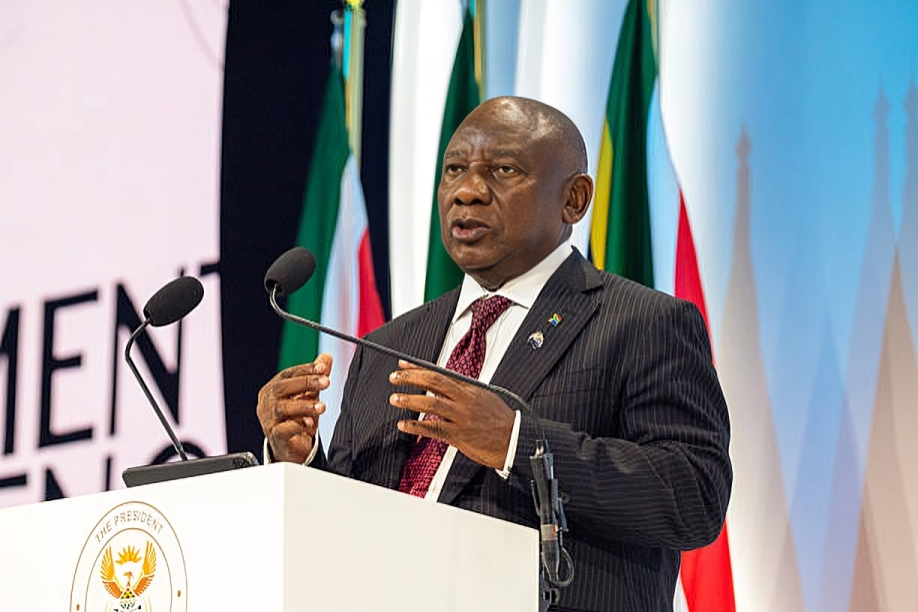
![Cyril Ramaphosa, South Africa's president, speaks at the South Africa Investment Conference in Johannesburg, South Africa, on Tuesday, March 31, 2026. The summit gathers investors to promote South Africa as trade partner and investment destination. [Photo by Leon Sadiki/Bloomberg via Getty Images]](https://ocdn.eu/pulscms/MDA_/4ba3edb629aa487d86d1f502090f3a81.png)
South Africa has urged the African Union (AU) to avoid turning upcoming continental discussions on migration into a platform for blaming individual countries, arguing instead that leaders should focus on the economic, political and security challenges driving people to leave their home countries.
- South Africa called on the African Union to avoid blaming individual countries in upcoming migration discussions.
- The statement follows scrutiny of South Africa's immigration policies after anti-immigration protests and diplomatic concerns.
- Minister Ronald Lamola emphasized managing migration through established African frameworks that enable legal and regulated movement.
- South Africa remains Africa's largest recipient of both regular and irregular migrants.
The appeal comes amid heightened scrutiny of South Africa's immigration policies following recent anti-immigration protests and diplomatic concerns raised by several African countries over the treatment of their nationals.
Speaking during a government media briefing on Sunday, South Africa's Minister of International Relations and Cooperation, Ronald Lamola, said migration should be managed through existing African frameworks that promote legal, orderly and regulated movement rather than through political accusations.
DON'T MISS THIS: South Africa turns to quiet diplomacy to repair strained Ghana relations after Ramaphosa visit delay
"So, this debate that is being called by Ghana should not be a debate of finger pointing, cheap political scoring against South Africa," Lamola said.
Lamola's comments come ahead of the African Union Executive Council meeting, scheduled for 28–29 July in Addis Ababa, where migration is expected to feature prominently following calls by Ghana for a broader continental discussion on the issue.
South Africa says it bears Africa's biggest migration burden
Lamola said South Africa remains the continent's largest destination for migrants, receiving both documented and undocumented arrivals from across Africa.
"South Africa is one of the highest receiving countries of migrants, both regular and irregular. On irregular migration, I believe we are the number one country on the continent," he said.
DON'T MISS THIS: Ghana says xenophobia made it reject South Africa's president's visit; Pretoria disagrees
He argued that migration pressures cannot be addressed solely through stricter border controls, saying African leaders must confront the underlying factors pushing people to migrate, including unemployment, poor economic opportunities, governance challenges, armed conflict and climate change.
According to Lamola, both the African Union's Protocol on the Free Movement of Persons and the Southern African Development Community's migration framework recognise every country's sovereign right to enforce its immigration laws while encouraging safe and legal movement across borders.
He added that concerns expressed by African governments have centred largely on incidents involving vigilante groups targeting migrants rather than South Africa's legal enforcement of immigration rules.
"The only issue that all of them do raise... is that where there is a challenge of irregular and illegal migration, it must be dealt with in a human way. It must be dealt with by law enforcement, not private individuals," Lamola said.
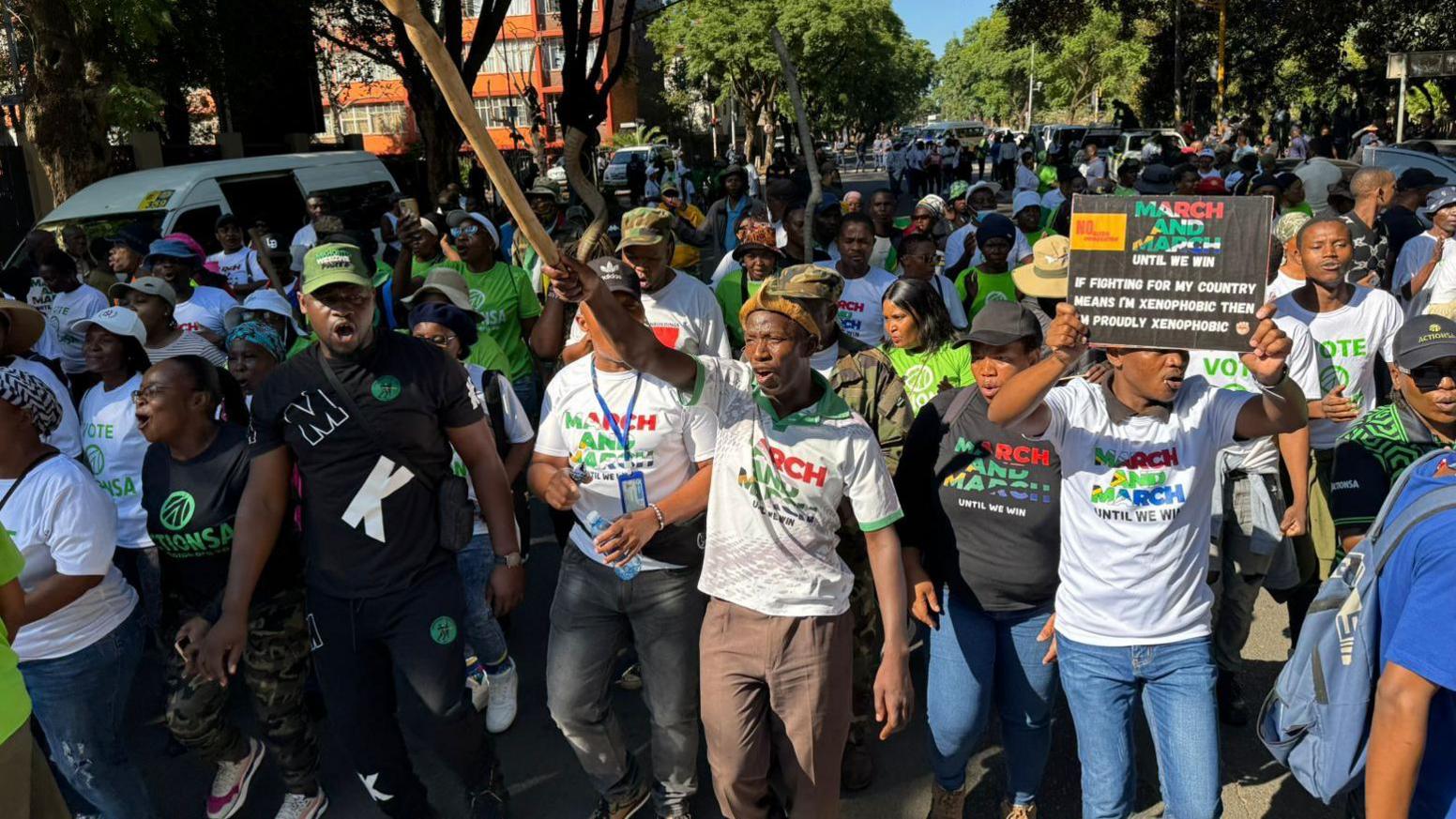
DON'T MISS THIS: Ahead of June 30 march, Ramaphosa defines his government's stance on illegal immigration
Lamola also dismissed suggestions that his recent diplomatic mission to Ghana had been rebuffed, saying President John Mahama reaffirmed the strong historical ties between the two countries while acknowledging South Africa's sovereign right to enforce its immigration laws.
The minister said Pretoria would welcome a comprehensive AU discussion—and even a fact-finding mission—provided the debate addresses migration as a continental challenge rather than singling out one country.
This framing gives the story a stronger continental business and policy angle, emphasizing the implications for labour mobility, regional integration, and the African Continental Free Trade Area, rather than simply reporting government remarks.