Slow Fashion :Its Impact on the Industry and the World’s Response
The slow fashion or conscious fashion movement has risen in opposition to fast fashion, taking issue with responsibility for pollution (both in the production of clothes and in the decay of synthetic fabrics), poor workmanship, and emphasis on very brief trends over classic style. In the rise of slow fashion, emphasis has been given to quality clothing that is more enduring. British Vogue explained that the process of designing and creating clothing in slow fashion involves consciousness of materials, consumer demand, and climate impact. Impact The slow fashion movement is one component of the larger sustainable fashion culture. In2018, a third of fashion consumers bought clothing once a month, a decrease from 37% in2016, whereas those buying clothes every two or three months (or less) rose from 64% to 67%, according to the market research firm Mintel.[34] While the slow fashion movement in and of itself cannot be definitively proven as the cause of those findings, consumers are overall buying fewer clothing items and falling off of the fast fashion trend cycle for reasons of their own. After the release of the documentaries The True Cost and RiverBlue, companies that utilizefast fashion strategies found themselves accruing negative press. In the fiscal year of 2016, H&M had a total revenue around $25 billion. In 2018, however, H&M’s stock…
 Black News

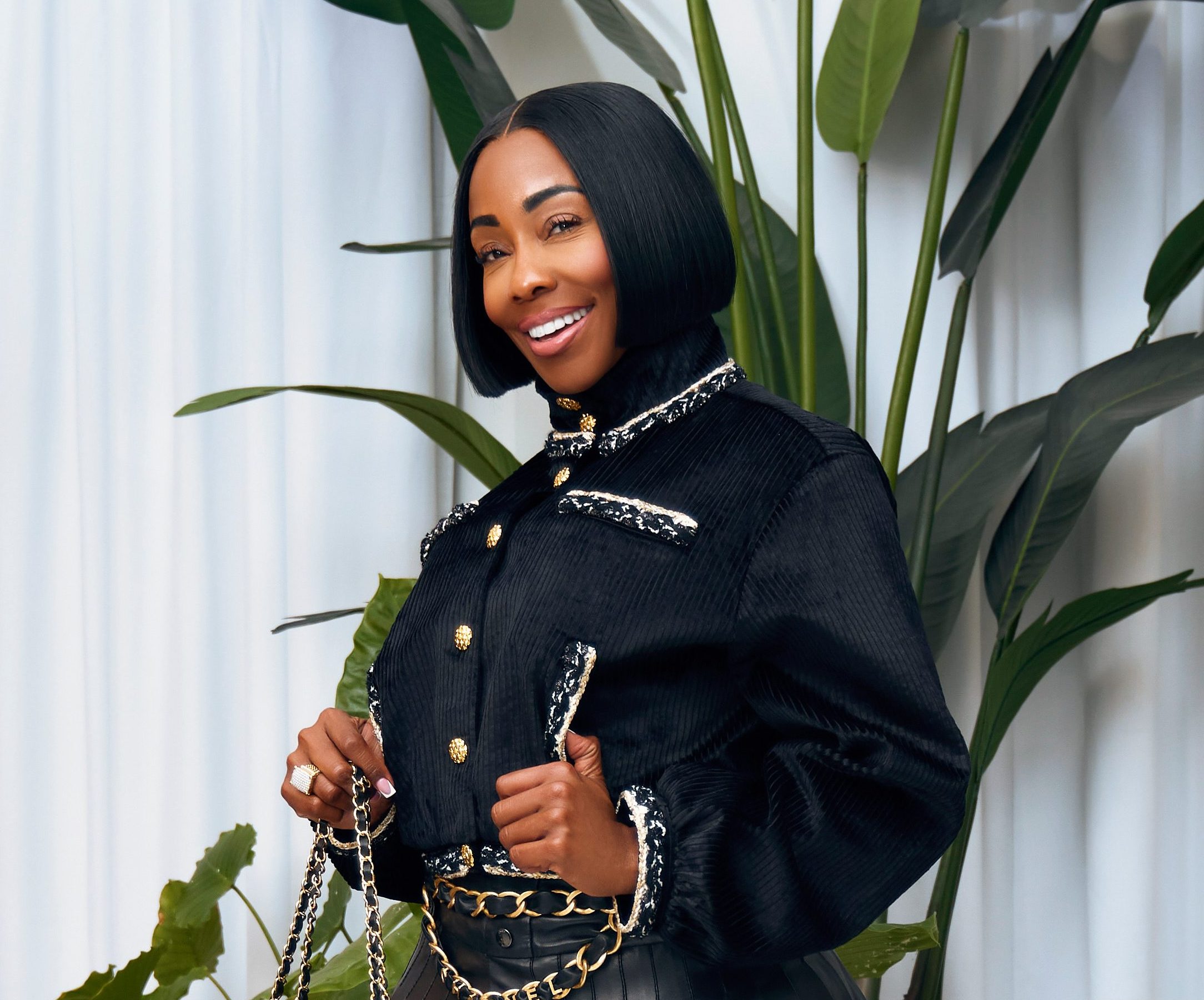
The slow fashion or conscious fashion movement has risen in opposition to fast fashion, taking issue with responsibility for pollution (both in the production of clothes and in the decay of synthetic fabrics), poor workmanship, and emphasis on very brief trends over classic style. In the rise of slow fashion, emphasis has been given to quality clothing that is more enduring. British Vogue explained that the process of designing and creating clothing in slow fashion involves consciousness of materials, consumer demand, and climate impact.
Impact
The slow fashion movement is one component of the larger sustainable fashion culture. In2018, a third of fashion consumers bought clothing once a month, a decrease from 37% in2016, whereas those buying clothes every two or three months (or less) rose from 64% to 67%, according to the market research firm Mintel.[34] While the slow fashion movement in and of itself cannot be definitively proven as the cause of those findings, consumers are overall buying fewer clothing items and falling off of the fast fashion trend cycle for reasons of their own.
After the release of the documentaries The True Cost and RiverBlue, companies that utilizefast fashion strategies found themselves accruing negative press. In the fiscal year of 2016, H&M had a total revenue around $25 billion. In 2018, however, H&M’s stock and brand image has declined as consumer awareness of their environmentally unethical practices led to a drop in sales.
Zara and H&M have attempted to appeal to the public in statements where they praise ethical fashion . By launching collections aimed at sustainable fashions, the two companies have shifted their optics towards ethical practices. Professional and regulatory organizations, suchas the United States Fashion Industry Association, have devoted attention to increasing”social compliance and sustainability” in their production standards.
Reactions
In her 2016 article titled “Doing Good and Looking Good: Women in ‘Fast Fashion’ Activism”, Rimi Khan criticized the slow fashion movement, particularly the work of high-profile designers and slow fashion advocates McCartney and Vivienne Westwood, as well as other well known industry professionals such as Livia Firth, for creating fashion products which cater to a mostly western, wealthy, and female demographic.
Khan also pointed out that because most slow fashion products are significantly more expensive than fast fashion items, consumers are required to have a certain amountof disposable income in order to participate in the movement. Khan argues that by proposing a solution to fast-fashion that is largely inaccessible to many consumers, they are positioning wealthier women as “agents of change” in the movement against fast fashion, whereas the shopping habits of lower income women are often considered “problematic”. Andrea Chang provided a similar critique of the slow fashion movement in her article “The Impact of FastFashion on Women”.
She wrote that the slow and ethical fashion movements place too much responsibility on the consumers of fast fashion clothing, most of whom are women, to influence the industrythrough their consumption. Chang suggests that because most consumers are limited in their ability to choose where and how they purchase clothing, largely due to financial factors, anti-fast fashion activists should target lawmakers, manufacturers, and investors with a stake in the fast fashion industry rather than create an alternative industry that is only accessible to some.
Critics have called out certain brands who have claimed to respect slow fashion principles. Swedish brand H&M was accused of not being sustainable after reports that company policydictates that unsold clothes be incinerated and destroyed. While H&M claims that they are striving to create sustainability to the best of their abilities, branding some items with green “Conscious” tags to signal that they contain “more sustainable materials,” it is largely knownthat the company has not curbed the mass production of other garments. When a company supports the values sustainability while operating in a way that does not align with that philosophy , this is called greenwashing.