Scientists say unlocking South Africa’s massive 209 trillion cubic feet shale gas reserve may trigger new earthquake risks
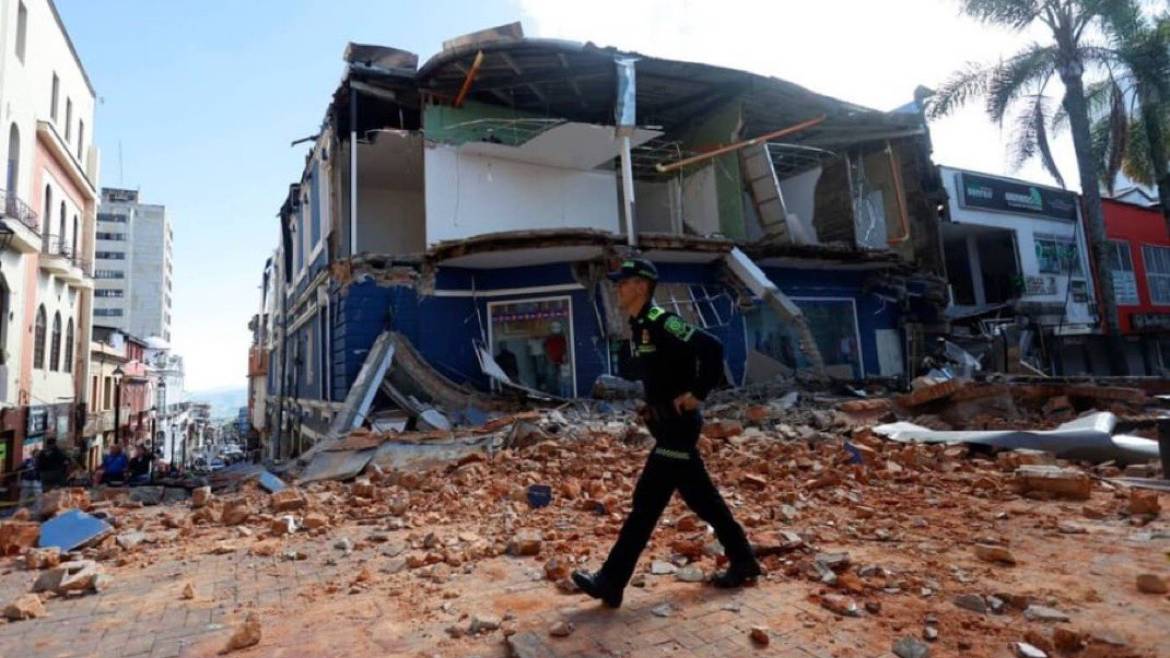
South Africa’s plan to unlock one of the world’s largest shale gas resources has encountered a new challenge after scientists identified previously unknown fault lines beneath the Karoo Basin, raising concerns about potential seismic risks linked to future exploration.
 Black News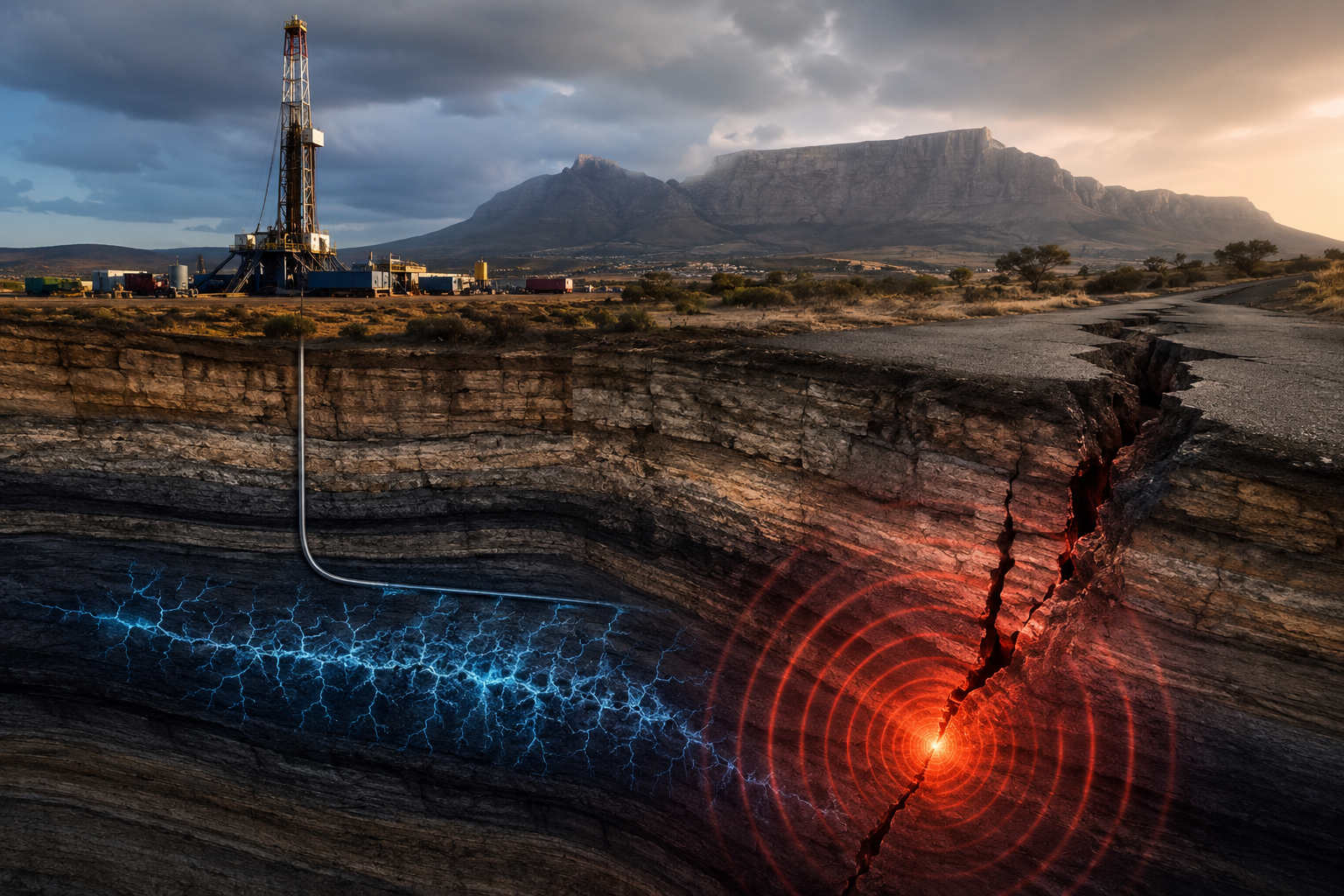

South Africa’s plan to unlock one of the world’s largest shale gas resources has encountered a new challenge after scientists identified previously unknown fault lines beneath the Karoo Basin, raising concerns about potential seismic risks linked to future exploration.
- Scientists have discovered previously unknown fault lines beneath South Africa's Karoo Basin.
- The Karoo Basin is estimated to hold between 13 and 390 trillion cubic feet of technically recoverable shale gas.
- The region has experienced at least 66 earthquakes since 2007, but researchers emphasize these were natural.
- Shale gas is seen as a potential transition fuel for South Africa as the country seeks to address energy shortages and reduce reliance on coal.
Researchers from the University of Cape Town’s (UCT) Department of Geological Sciences have called for increased monitoring of the region after discovering evidence of a fault system capable of generating earthquakes in an area earmarked for shale gas development.
According to Reuters, the study examined an earthquake swarm near Leeu Gamka in the Western Cape that began in 2007, an area previously considered to have limited seismic activity.
Since then, the region has recorded at least 66 earthquakes, including one measuring magnitude 4.8 on the Richter scale.
DON'T MISS THIS: Oil tops $100 as South Africa withdraws fuel relief, exposing motorists to a new energy shock
Lead author Benjamin Whitehead told Reuters that the findings show that critically stressed faults already exist beneath parts of the Karoo Basin.
However, he noted that the earthquakes recorded in the area were natural and were not caused by hydraulic fracturing, the technique used in shale gas extraction.
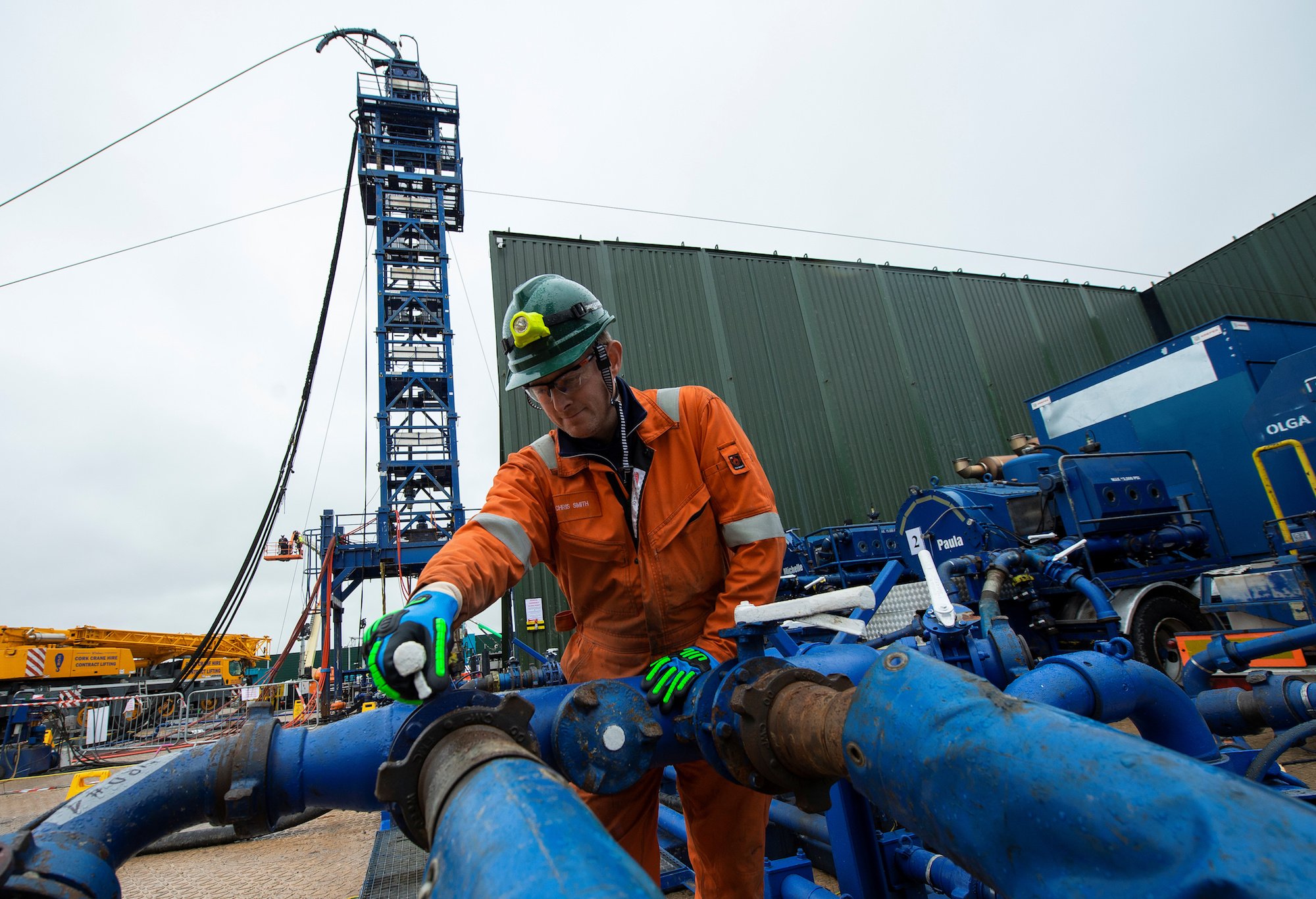
The concern is based on experiences from other shale gas-producing regions, where activities such as wastewater injection have been linked to the reactivation of existing faults under certain conditions.
South Africa’s search for energy security
The discovery comes as South Africa continues to assess the potential of the Karoo Basin, which has been identified as one of the country’s largest untapped energy resources.
DON'T MISS THIS: “Why does a 33km waterway control global oil?” South Africa heads to Strait of Hormuz for answers
The Petroleum Agency South Africa estimates that the basin contains around 209 trillion cubic feet (tcf) of technically recoverable shale gas resources, potentially making it a significant source of domestic energy supply.
However, the size of the resource remains contested. A 2017 study by geologists at the University of Johannesburg estimated that recoverable reserves could be closer to 13 tcf, at the lower end of estimates ranging between 13 tcf and 390 tcf.
For a country facing persistent electricity shortages and heavy reliance on coal-fired power generation, shale gas has been viewed as a potential transition fuel that could diversify South Africa’s energy mix, support industrial growth and reduce dependence on imported fuels.
A long-running battle over fracking
The latest geological findings add to decades of debate over shale gas development in the Karoo, a semi-arid region known for its unique ecosystems and agricultural communities.
South Africa imposed a moratorium in 2011 on new oil and gas reconnaissance permits and exploration rights after environmental groups challenged plans to introduce hydraulic fracturing in the region.
DON'T MISS THIS: 4 years of court battles fail to stop South Africa’s push for offshore oil and gas expansion
Opponents of fracking have raised concerns over groundwater contamination, high water usage and the potential impact on the fragile Karoo environment.
Scientists involved in the latest research said the discovery of hidden fault lines should not necessarily halt shale gas development. Instead, they said the findings should help guide future decisions by identifying areas where additional monitoring and safety measures may be required.
As South Africa weighs its energy options, the Karoo shale gas opportunity remains a balancing act between unlocking potentially vast domestic resources and managing environmental and geological risks.