Sadio Mane Makes $20M Bet on Mango Factory In His Hometown
Sadio Mane is spending 11.7 billion CFA francs, about $20 million, to build a mango processing plant in Bambali, the Senegalese village where he was born. He broke ground on the project, called SM10 Agro, on September 19, 2026. The Sadio Mane mango factory is designed to solve a problem that has nothing to do [...]
 Black News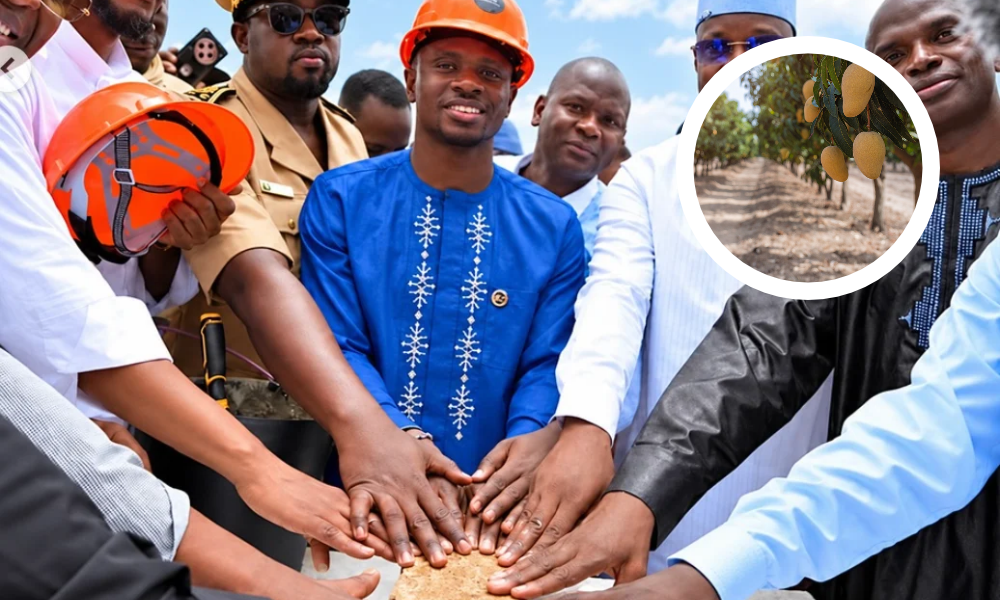
Sadio Mane is spending 11.7 billion CFA francs, about $20 million, to build a mango processing plant in Bambali, the Senegalese village where he was born. He broke ground on the project, called SM10 Agro, on September 19, 2026.
The Sadio Mane mango factory is designed to solve a problem that has nothing to do with football. In the Sedhiou region of southern Senegal, 30 to 40 percent of the annual mango harvest currently rots or spoils because there isn’t enough storage or processing capacity to handle it before it goes bad.
ALSO READ: Ballon d’Or 2026: Hakimi and Mane Are Africa’s Nominees
What SM10 Agro Is Actually Building
The project covers 500 hectares and will eventually include roughly 78,000 Kent variety mango trees, according to Gulf News. Four processing units are planned, turning raw mangoes into pulp, dried mango, and mango butter, alongside a training center for young farmers and a research operation focused on improving yields. A separate unit will prepare fresh mangoes for export.
The groundbreaking ceremony took place in Kountoubou, within the Bambali commune, with Senegal’s state investment promotion agency, APIX, listed among the project’s supporting partners alongside Groupe Confluence and the consulting firm Cabinet Oyo. APIX’s involvement signals the project has cleared at least some formal government investment-promotion screening, not just Mane’s personal financial backing.
Construction is expected to take about 18 months, with the plant able to process up to 8,500 tonnes of mangoes a year once it is running. The first harvest from the newly planted trees is not expected for roughly three years, so the processing side of the business will likely run on mangoes bought from other local farmers in the meantime.
Mane said the goal is to stop the region’s harvest from leaving in raw form and never coming back as income. “I want the wealth of our land to stay here, with us,” he said at the groundbreaking, a sentiment echoed across multiple outlets covering the launch.
More Than 1,000 Jobs, and a Pattern Going Back Years
SM10 Agro is projected to create more than 1,000 direct jobs once it is fully operational, with organizers putting the long-term target at up to 2,500 positions as the processing and export operations scale up.
This is not Mane’s first investment in Bambali. He has previously funded a mosque, a school, a hospital, and a petrol station in the village, and opened a bakery there in November 2025. SM10 Agro is by far the largest of these projects, both in capital committed and in the number of people it is designed to employ long-term.
Mane retired from international football after the 2025 Africa Cup of Nations, finishing his Senegal career with 52 goals. He remains one of two African players, alongside Morocco’s Achraf Hakimi, on the 30-man shortlist for the 2026 Ballon d’Or.
Why the Processing Gap Matters
Senegal grows far more mangoes than it can currently process locally, a pattern common across West African fruit-growing regions where farmers are paid for raw produce but see little of the value added by turning it into shelf-stable products. Post-harvest loss at the scale described in Sedhiou, close to half the crop in a bad year, represents income that simply disappears between the farm and the market.
A processing plant of SM10 Agro’s scale would not just capture mangoes that are currently wasted. It would let Bambali’s farmers sell into a steadier, higher-value market instead of a seasonal glut that collapses prices for weeks every year.