Rukare: Dakar 2026 has shown Africa can host the world as Uganda plots next step
Uganda Olympic Committee (UOC) president Dr Donald Rukare believes the successful staging of the Dakar 2026 Youth Olympic Games has sent a powerful message about Africa’s ability to host major international sporting events, while giving Uganda valuable lessons as it prepares for an ambitious future on the continental sporting calendar. Dakar became the first African city to […] The post Rukare: Dakar 2026 has shown Africa can host the world as Uganda plots next step appeared first on Kawowo Sports.
 Black News
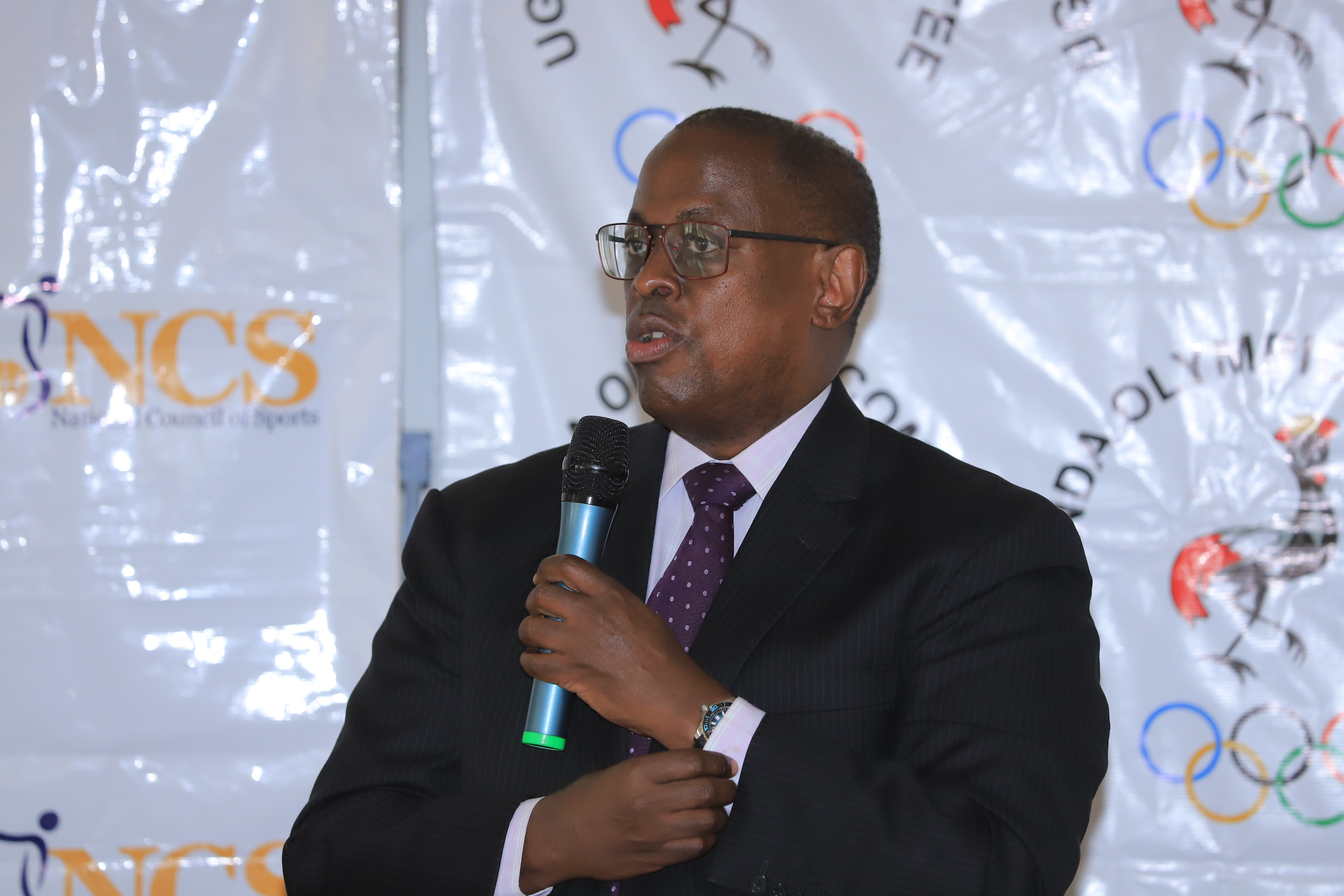

Uganda Olympic Committee (UOC) president Dr Donald Rukare believes the successful staging of the Dakar 2026 Youth Olympic Games has sent a powerful message about Africa’s ability to host major international sporting events, while giving Uganda valuable lessons as it prepares for an ambitious future on the continental sporting calendar.
Dakar became the first African city to host an Olympic event, and for Rukare, the experience was more than a celebration of sport. It was a demonstration of what the continent can achieve with proper planning, investment and organisational capacity.
He described the Games as a “proof of concept” that Africa is ready to welcome the world, pointing to Senegal’s organisation, transport arrangements, accommodation, facilities, technical officials and volunteer management as key highlights.
“Africa can actually host these major international events, and we are very happy that this can be a proof of concept,” Ruka reflected.
Uganda was among the nations that made the journey to Senegal, sending 25 athletes across seven sports disciplines: athletics, rugby, rowing, swimming, cycling, badminton and table tennis. The contingent returned with three bronze medals, all secured in athletics, finishing among Africa’s top ten nations on the medal table.
Timothy claimed bronze in the 800 metres, Karen added another in the 2,000 metres steeplechase, while Michael completed Uganda’s medal collection with bronze in the 3,000 metres.
For Rukare, however, the value of Uganda’s campaign extended beyond the medals. The performances, personal improvements and exposure gained by the young athletes offered an important glimpse into the country’s future sporting prospects.
“We leave Dakar happy. First Olympic Games in Africa, very successful, three medals for Uganda. We couldn’t ask for more,” he said, while also highlighting Uganda’s qualification of a team sport for the first time.
The medals provided a fitting reward for Uganda’s efforts, but Rukare believes the real work begins back home.
He called for a deliberate approach to nurturing young talent, with national federations, sports associations, the National Council of Sports and international federations working together to establish sustainable athlete development programmes.
One of the biggest lessons from Dakar, he noted, was the importance of investing in school sport. Rukare observed that several of the countries that performed strongly at the Games, including Australia, the United States and Egypt, have built strong connections between their school sporting systems and elite athlete development.
Uganda, he believes, must strengthen that foundation by creating a clearer progression from schools to high schools and colleges, then into clubs, national teams and ultimately international competition.
“We need to go back and really work very closely with the school system so that we have a very strong sport programme in schools, which will then help us have a pathway to go forward,” he explained.
He also emphasised early preparation, improved coaching capacity and consistent support for federations as essential ingredients in ensuring that the young talent showcased in Dakar does not fade after the Games.
The next targets are already taking shape, with the Youth Commonwealth Games in Malta in November 2027, the Los Angeles 2028 Olympic Games and the 2030 Commonwealth Games in India providing important milestones for Uganda’s emerging athletes.
Team Uganda Chef de Mission Lydia Gloria Ssanyu Dhamuzungu shared Rukare’s optimism, describing the Youth Olympic Games as a critical foundation for the country’s future international sporting ambitions.
She believes simply getting 25 young athletes to Dakar, across seven sporting disciplines, was an achievement in itself, but returning with three medals made the experience even more rewarding.
For Dhamuzungu, the bronze medals were not the only measure of success. Personal bests, improved rankings, valuable international exposure and the experience of competing against some of the world’s best young athletes were equally significant.
“These games are very, very important. If we ever want to see a bright future in Team Uganda, the youth participating in these games is a bedrock,” she said.
She described the competition as a baseline from which the young athletes can progress towards the Summer Olympic Games, Commonwealth Games and world championships.
Dhamuzungu was also pleased with how the team handled Dakar’s challenging weather conditions. With the support of coaches, administrators ensured athletes received sufficient fluids and guidance on managing their training schedules to cope with the heat.
Despite the demanding conditions, Uganda registered no major injury setbacks, something she attributed to the efforts of the coaching and support teams.
Looking ahead, she expects the participating federations to develop structured training and competition plans that will allow the athletes to build on the experience gained in Senegal.
With the Youth Olympic Games catering for athletes aged 13 to 18, some members of the current contingent will have moved beyond the age category by the next edition. Their progression into senior competition will therefore be an important part of Uganda’s long-term planning.
She particularly pointed to the leadership growth of team captains Joseph Sebatindira and Zara Marie Mbanga, who carried responsibilities beyond their individual sporting assignments.
Dhamuzungu believes the pair, alongside their teammates, will return as better athletes and ambassadors for Uganda.
“They are going out with a bag full of experience. They have networks and friends. But most importantly, they are going to be very great athletes of the future,” she said.
Away from the competition, Dakar also offered Uganda a practical lesson in hosting major sporting events.
With the country preparing to take on more significant responsibilities, including the Africa Cup of Nations next year and the 2031 African Games, Rukare believes Uganda must begin strengthening the systems that support successful event delivery.
The country has already made progress through government investment in sporting infrastructure, including new facilities in Lira and Hoima, alongside ongoing improvements at Mandela National Stadium, Namboole, and other venues.
Uganda has also demonstrated its hosting potential through continental competitions, including the Africa Aquatics Zone III Championships, which brought together seven countries and more than 500 swimmers, as well as international rugby and badminton events.
However, Rukare insists that having facilities is only one part of the equation. A coordinated national hosting strategy is needed to bring together the different institutions, federations and service providers responsible for delivering successful competitions.
“We need to tighten our organisational capacity and use AFCON as a launching pad for Uganda’s hosting capabilities,” he said.
He remains convinced that Uganda has the people, facilities and favourable conditions to attract and successfully stage major international competitions. What is needed now is to harness the existing capacity and develop it into a collective national strength.
As the curtains fall on Dakar 2026, Uganda returns with medals in its luggage, experience in its ranks and a clearer picture of the work required to turn its sporting ambitions into lasting success.
The post Rukare: Dakar 2026 has shown Africa can host the world as Uganda plots next step appeared first on Kawowo Sports.