Political analyst warns proposed Constitutional Amendments install president “through the backdoor”, undermine Zimbabwe’s democracy
A political commentator has raised alarm over proposed constitutional amendments approved by the Cabinet this week, describing them as an attempt to install a “President through the backdoor.” On Tuesday, Cabinet, chaired by President Emmerson Mnangagwa, approved a raft of proposed changes to the 2013 Constitution. Among the proposals under Constitutional Amendment No. 3 is […] The post Political analyst warns proposed Constitutional Amendments install president “through the backdoor”, undermine Zimbabwe’s democracy appeared first on NewZimbabwe.com.
 Black News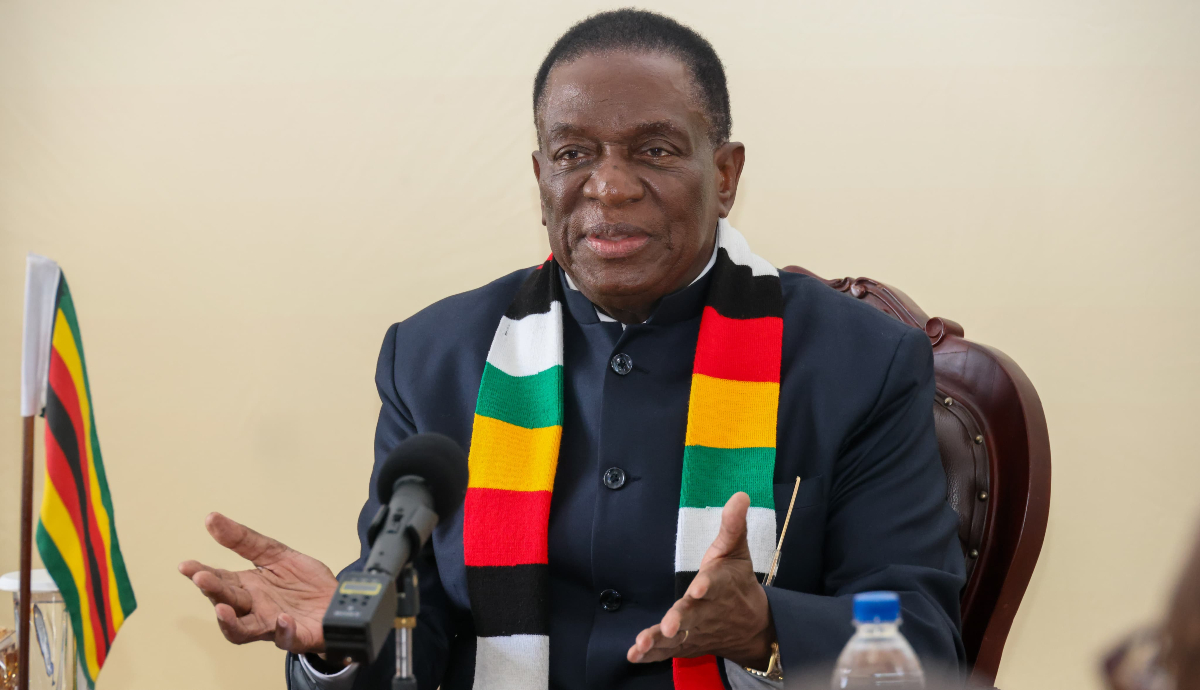
A political commentator has raised alarm over proposed constitutional amendments approved by the Cabinet this week, describing them as an attempt to install a “President through the backdoor.”
On Tuesday, Cabinet, chaired by President Emmerson Mnangagwa, approved a raft of proposed changes to the 2013 Constitution. Among the proposals under Constitutional Amendment No. 3 is the removal of direct presidential elections, with Parliament assuming the power to elect the President on behalf of citizens.
In a critique of the proposed changes, political analyst Tendai Reuben Mbofana said Zimbabwe risks entering a dangerous period in which the ruling elite seeks to amend the Constitution without broad public consent.
“It is dangerous when power rewrites the people’s Constitution, which is the covenant between the people and those who govern, designed to restrain ambition, safeguard citizens, and ensure that leadership is earned, not seized or extended at will,” said Mbofana.

He further argued that Justice Minister Ziyambi Ziyambi, who authored the proposed amendments, had placed Zimbabwe on the brink of a constitutional crisis.
“Ziyambi’s memorandum proposing constitutional amendments is being sold as reform, stability, and efficiency. In reality, it is a roadmap to allow President Mnangagwa to remain in office beyond the legal limit imposed by the 2013 Constitution, despite his second and final term being set to expire in 2028,” Mbofana said.
“At the heart of the memorandum are two measures that strike at the foundation of democracy: extending presidential and parliamentary terms from five to seven years, and replacing the people’s direct vote with a parliamentary selection.”
He said the changes are framed as reducing “disruptions” and ensuring “policy continuity,” but argued they are far from neutral.
Mbofana cited Section 328(7) of the Constitution, which explicitly bars incumbents from benefiting from term extensions.
“Any manoeuvre to allow Mnangagwa to exploit a longer term would directly contravene the law. Courts, if independent, would have clear legal grounds to strike down such amendments. This is law, not theory,” he said.
He further criticised the proposal to have Parliament elect the President.
“Zimbabweans have long exercised the direct vote as the ultimate expression of sovereignty. Handing this power to a small group of legislators is a tacit admission that Mnangagwa cannot command genuine popular support. Why else would the government bypass the people entirely?
“The reality is stark: the majority of Zimbabweans, enduring widespread poverty affecting nearly 80% of the population, high unemployment, collapsing industries, and unreliable electricity supply, may no longer want him in office.
“Parliament cannot substitute for the consent of the governed. Any attempt to do so is not constitutional evolution; it is constitutional subversion.
“The memorandum argues that longer terms and parliamentary selection are necessary to ensure national development and policy continuity. This is a dangerous fiction.”
Mbofana added that removing the direct vote for President would undermine democratic principles.
“Legally, such a change would require a national referendum because it fundamentally alters the structure of government and the relationship between citizens and their leadership,” he argued.
Meanwhile, Chinhoyi Member of Parliament, Leslie Mhangwa, urged citizens to mobilise against any constitutional changes perceived as serving individual interests.
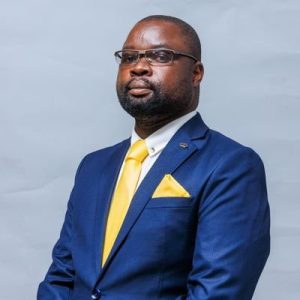
“We are at a crossroads as a people, with a potentially far-reaching amendment to the Constitution on the cards. It calls upon all of us to jump into action. Parliament is only one of the theatres of the struggle against laws we may view as unfair,” said Mhangwa.
“Let’s all participate in one way or another in blocking the shredding of the Constitution. When in 2013 we came up with the Constitution, it was a product of collective effort, and the clauses inserted spoke of the desire to protect the country from abuse by individuals or groups.
“Let’s not subcontract the preservation of the Constitution to a few of us in Parliament. Political parties, churches and civic organisations need to revive the vigour of yesteryear when the 2000 Constitution was defeated by the people. No one group can succeed on its own. We are all Zimbabweans.”
Social media platforms were awash with dissent following news of the proposed amendments, with many expressing concern over the anticipated changes.
The post Political analyst warns proposed Constitutional Amendments install president “through the backdoor”, undermine Zimbabwe’s democracy appeared first on NewZimbabwe.com.