Niger launches AES biometric passport as Sahel alliance replaces ECOWAS-era travel documents
Niger has taken another step toward implementing the Alliance of Sahel States' (AES) common travel framework after President Abdourahamane Tiani enrolled for the country's new AES biometric passport.
 Black News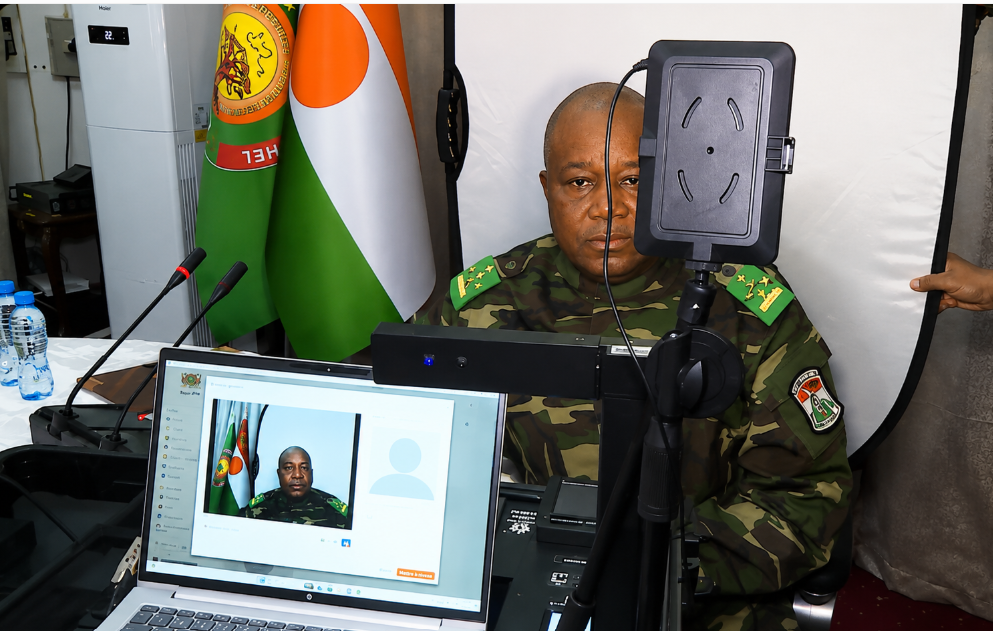

Niger has taken another step toward implementing the Alliance of Sahel States' (AES) common travel framework after President Abdourahamane Tiani enrolled for the country's new AES biometric passport.
- Niger has launched the AES biometric passport, with President Tiani being officially enrolled.
- The passport follows harmonized specifications agreed with Burkina Faso and Mali to support regional integration within the Alliance of Sahel States.
- This initiative comes after Niger, Burkina Faso, and Mali left ECOWAS and formed their own regional bloc.
- The AES biometric passport is part of broader efforts to modernize travel documents, improve security, and facilitate movement among member states.
The enrollment took place at the Presidency during the presentation of the official brochure for Niger's new biometric passports.
The new passports were designed in line with the harmonized technical specifications adopted by experts from Burkina Faso, Mali and Niger during a meeting in Bamako in October 2024 and later endorsed by the three countries' ministers responsible for security.
DON'T MISS THIS: Niger adopts mandatory AES biometric ID as breakaway states deepen integration
The rollout marks the latest milestone in the three-member Sahel bloc's efforts to strengthen regional integration following its departure from the Economic Community of West African States (ECOWAS).
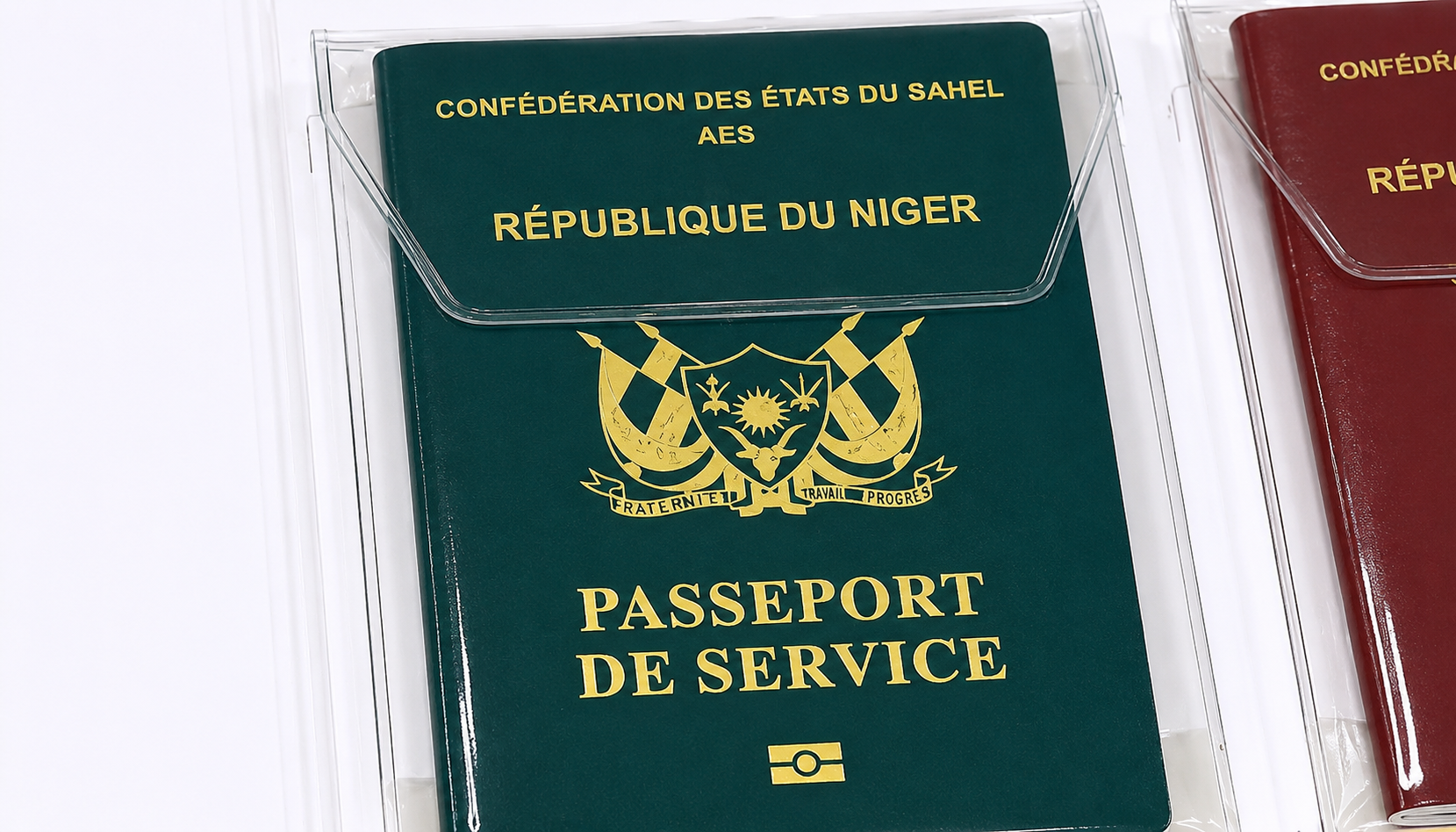
According to Niger's government, the biometric passport forms part of a broader modernization of travel documents aimed at improving security, facilitating movement among AES member states and aligning identification systems across the alliance.
Regional integration gathers pace
President Tiani's enrollment follows similar moves by Burkina Faso, whose President Ibrahim Traoré was among the first leaders to be enrolled for the AES biometric passport as the regional initiative gathered momentum.

The passport project complements a wider agenda by the Alliance of Sahel States to develop common institutions after the three military-led governments formally established the confederation in 2025.
DON'T MISS THIS: Niger joins Burkina Faso as second AES state to launch biometric ID
Since then, the bloc has announced plans covering defence cooperation, trade, customs, and the free movement of people and goods.
Niger has also been rolling out other harmonized identity documents. In March, President Tiani received the country's first AES biometric national identity card, launching a broader program to modernize citizen identification. The prime minister, Ali Mahamane Lamine Zeine, was enrolled shortly afterward.
The new biometric passport is expected to enhance document security while supporting the alliance's ambition of creating a more integrated regional mobility framework, reducing reliance on external travel systems and reinforcing cooperation among the three Sahel nations.