Nearly 2,000 Ethiopians escape Saudi prisons through royal amnesty as executions continue
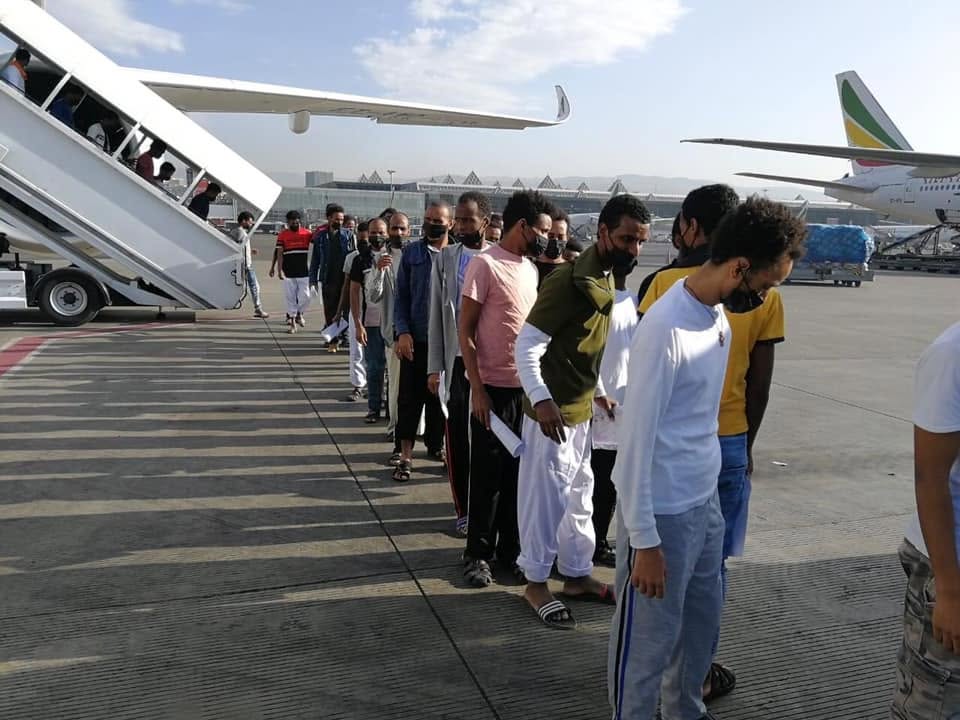
Nearly 2,000 Ethiopian nationals have been granted a royal amnesty by Saudi Arabia following sustained diplomatic engagement between Addis Ababa and Riyadh.
 Black News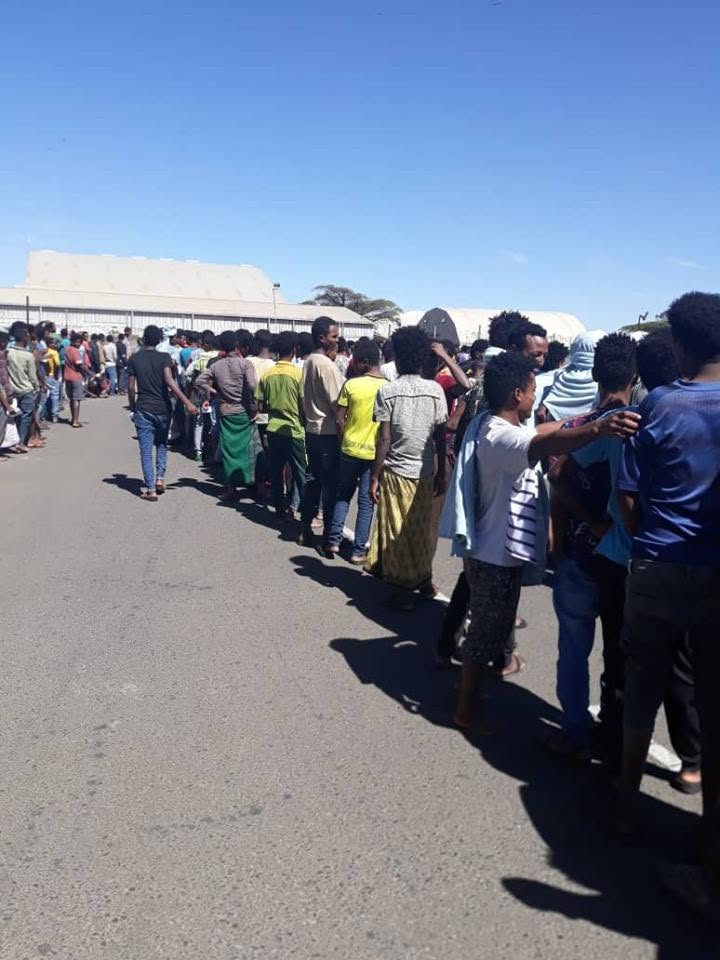

Nearly 2,000 Ethiopian nationals have been granted a royal amnesty by Saudi Arabia following sustained diplomatic engagement between Addis Ababa and Riyadh.
- Nearly 2,000 Ethiopian nationals have been granted royal amnesty by Saudi Arabia after diplomatic efforts by Ethiopia.
- The amnesty comes amid international concerns over the treatment and execution of Ethiopian migrants, particularly for drug-related offences.
- Human rights organizations report that prisoners often face execution without warning and frequently lack fair trials, legal representation, and appeal opportunities.
- Saudi Arabia executed 356 people in 2025, most of them foreign nationals for drug offences, with Ethiopians being the largest group of foreigners executed.
According to Ethiopia's Ministry of Foreign Affairs, 1,971 Ethiopian citizens have benefited from the royal amnesty after the government intensified diplomatic efforts with Saudi authorities to secure clemency for its nationals.
In a statement, the ministry said its embassy in Riyadh and consulate in Jeddah worked closely with Saudi officials to pursue legal remedies, expand consular access, and seek humanitarian consideration for Ethiopians detained in the kingdom.
The Ethiopian government described the pardons as a reflection of the strong bilateral relationship between the two countries and reaffirmed its commitment to protecting Ethiopians living abroad through continued diplomatic engagement.
DON'T MISS THIS: Ethiopia plans to bring back 70,000 of its citizens from Saudi Arabia
Amnesty comes amid mounting concerns over death sentences
The announcement comes as international human rights organizations continue to raise alarm over the treatment of Ethiopian migrants imprisoned in Saudi Arabia, particularly those convicted of drug-related offences.
A recent CNN investigation revealed that around 60 Ethiopian prisoners sentenced to death are being held in a single cell at Khamis Mushait Prison in southwestern Saudi Arabia, with rights groups estimating that dozens more are detained elsewhere in the kingdom on similar charges.

The report featured the testimony of an Ethiopian prisoner, identified only by the pseudonym Amanuel, who described living under the constant threat of execution after several of his cellmates were put to death without prior notice.
According to the investigation, executions in Saudi Arabia are often carried out without warning, while families frequently learn about arrests or death sentences only through community networks rather than official notifications.
Rights groups decry migrant imprisonment and executions
Human rights organizations, including Reprieve and the European Saudi Organization for Human Rights, have accused Saudi authorities of failing to guarantee fair trials for many foreign defendants.
They allege that some migrants have been denied legal representation, adequate interpretation services and meaningful opportunities to appeal their convictions, with some confessions allegedly obtained under coercion.
Saudi Arabia has previously rejected criticism of its judicial system, maintaining that defendants receive due process and that its courts strictly enforce laws aimed at combating drug trafficking.
According to figures compiled by human rights organizations using official Saudi records, the kingdom executed 356 people in 2025, the highest annual total in recent history. Of those, 240 were convicted of drug-related offences, the majority of them foreign nationals.
DON'T MISS THIS: African trade unions alert UN over constant abuse of migrant workers in Saudi Arabia
The number of executions for non-lethal drug crimes has continued to rise this year, with Ethiopians accounting for the largest group of foreign nationals executed.
Saudi Arabia remains home to one of the largest Ethiopian migrant communities in the Middle East, employing hundreds of thousands of Ethiopians in domestic work, agriculture and construction.
In recent years, Addis Ababa has stepped up diplomatic efforts to improve consular support and secure the release or repatriation of vulnerable citizens from the kingdom.
The latest royal amnesty is expected to provide relief for many Ethiopian families, although rights advocates say dozens of Ethiopian nationals remain on death row, underscoring the continued need for diplomatic engagement and judicial transparency.