‘Namibia risks losing its past’
Namibia risks losing parts of its cultural identity, indigenous knowledge and historical record if heritage is not actively preserved and passed on to younger generations. This is according to National Heritage Week 2026 chairperson Loide Nantinda. Speaking to The Namibian, she says tangible heritage, including historical sites and objects, provides physical evidence of the country’s […] The post ‘Namibia risks losing its past’ appeared first on The Namibian.
 Black News
Namibia risks losing parts of its cultural identity, indigenous knowledge and historical record if heritage is not actively preserved and passed on to younger generations.
This is according to National Heritage Week 2026 chairperson Loide Nantinda.
Speaking to The Namibian, she says tangible heritage, including historical sites and objects, provides physical evidence of the country’s history, while intangible heritage such as indigenous languages, oral traditions and traditional practices carries knowledge developed and passed on over generations.
“If we do not actively safeguard our heritage, we risk losing our very identity and sense of direction as a people. As the old saying goes, ‘You can’t know where you’re going if you don’t know where you’re coming from’,” Nantinda says.
She says Namibia’s cultural diversity could be weakened if communities fail to preserve their heritage.
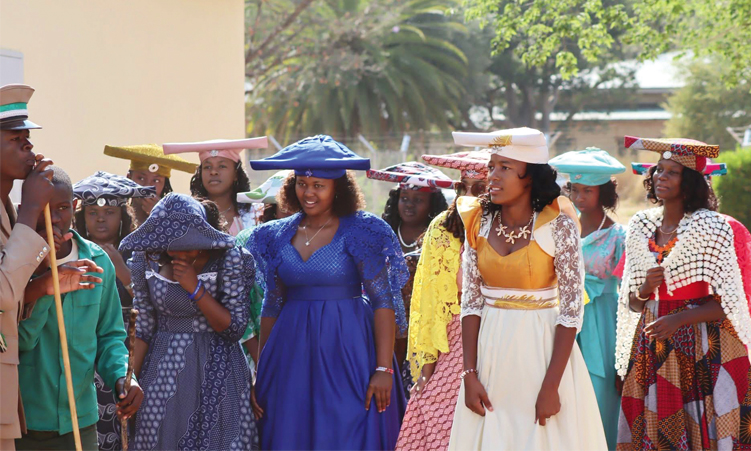
The warning comes as Namibia observes Heritage Week from 14 to 20 September under the theme ‘Preserving Culture for Future Generations’, translated into Otjiherero as ‘Okupwika ovirumatwa vyombazu yetu nga kozonditona zoruyaveze’.
Nantinda says the theme reflects a decision to rotate Heritage Week themes through Namibia’s indigenous languages while promoting pride in the country’s cultural diversity.
She says it also responds to concerns that cultural knowledge and traditions could disappear if they are not deliberately transferred between generations.
“The theme serves as a call to action for all Namibians to move beyond just admiring our heritage to actively safeguarding it, ensuring that our historical repositories, natural wonders, and living traditions remain intact for those who come after us,” she says.
Nantinda identifies indigenous languages, oral histories and specialised traditional skills as among the most vulnerable forms of intangible heritage, particularly as older knowledge bearers die.
She says tangible cultural historical resources also face risks from neglect and limited public awareness of their value.
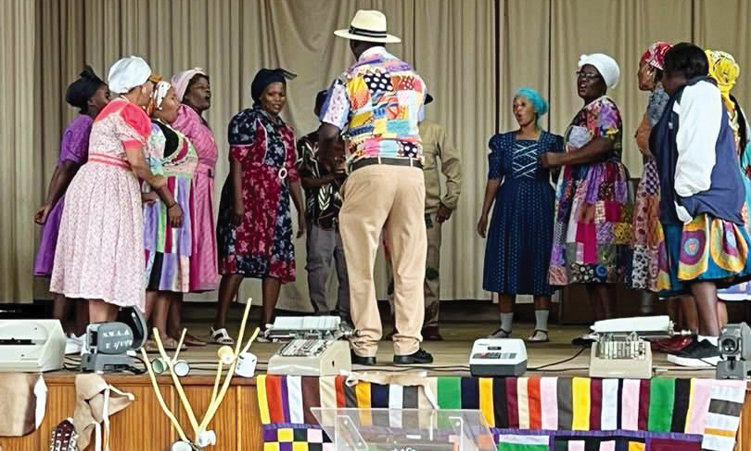
The challenges are compounded by urbanisation and the growing influence of digital lifestyles, which can limit young people’s exposure to traditional practices and oral traditions.
“The main gap is creating consistent, accessible platforms where elders and youth can connect meaningfully outside of occasional events,” she says.
Heritage Week seeks to address this by encouraging Namibians to participate in cultural activities, including wearing traditional attire, preparing traditional food and learning about different cultural practices.
Activities are being coordinated across all 14 regions through a coalition involving the Museums Association of Namibia, the Directorate of Heritage and Culture, the United Nations Educational, Scientific and Cultural Organisation, the National Heritage Council, museums, living museums, regional councils and youth-focused organisations.
Nantinda says rural communities, cultural villages and living museums are being encouraged to lead and participate in regional activities, while digital platforms, social media, music and fashion are being used to reach young people.
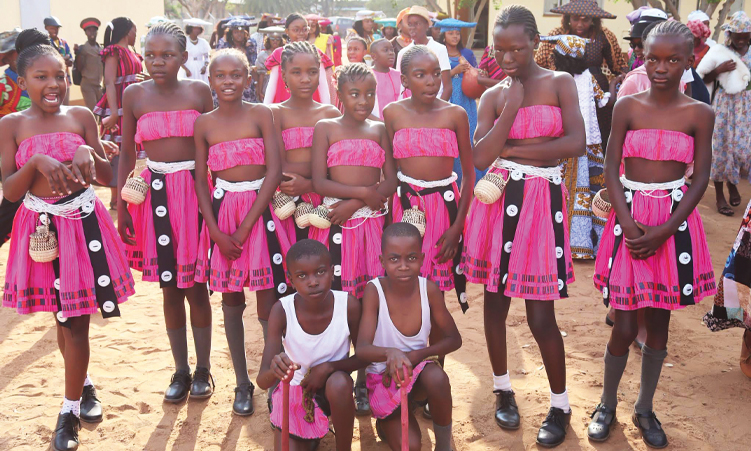
The initiative also provides logistical and marketing support to local organisations hosting heritage activities.
Nantinda, however, says preservation should not be limited to the annual Heritage Week programme.
She calls for cultural heritage and indigenous knowledge systems to be integrated more deeply into school curricula and regional development plans, alongside sustained investment in museums, cultural repositories and community-led heritage projects.
“Heritage protection cannot belong solely to institutions; every citizen must see themselves as a custodian,” she says.
Nantinda says communities are more likely to protect heritage when they directly benefit from it and take ownership of it.
“Heritage Week serves as the annual spark to celebrate and recommit to this work, but the goal is to keep that spirit alive in the Namibian House every single day,” she says.
The post ‘Namibia risks losing its past’ appeared first on The Namibian.